Languages
Thursday, November 12, 2026



News and Views from the Global South
Poverty & MDGs
CLIMATE CHANGE: Food Supply Hangs in the Balance
Rocketing food prices and hundreds of millions more starving people will be part of humanity's grim future without concerted action on climate change and new investments in agriculture, experts reported this week.
VIETNAM: Ethnic Minorities More Gender Divided
A drunk man slaps his wife, she hits the ground and the audience of mainly women laughs. At a question and answer session that follows in Tay, one of the many ethnic minority languages, women stand up to talk at length about why husbands shouldn't hit their wives and why, as women, they deserve equal respect.
SANITATION-ZAMBIA: Back Policy With Funding
Water- and sanitation-related diseases cost communities dearly, particularly in rural Zambia.HEALTH: “Patent Pool” Could Ease HIV Drug Prices
Pharmaceutical giants like Pfizer and GlaxoSmithKline hold the future welfare of poor people living with HIV/AIDS in their hands, argues the humanitarian group Doctors Without Borders, which is urging the companies to release their patents on specific HIV drugs into a collective pool that will increase access and affordability to treatment in developing countries.
HEALTH-LIBERIA: Rainy Season Deadly for Pregnant Women
As heavy rain hammers the grass thatch roof of her mud hut, Goromah Borbor huddles inside and quietly describes how her daughter Annie died while giving birth.
LATIN AMERICA: Black Population – Still Largely Invisible
Making the contributions by black people to the cultural heritage of Latin America visible is one big step towards pulling people of African descent out of the poverty and marginalisation in which so many still live, said participants at a regional seminar in the Uruguayan capital.RIGHTS: Women’s Groups Take on Laws Based on Sex
When a landmark U.N. conference on women adopted a "platform for action" in Beijing in 1995, member states were urged to commit themselves to revoke all existing laws in their statute books that discriminate on the basis of sex.
DOMINICAN REPUBLIC: No More Blackouts In This Village
Travel through any Dominican town and you are likely to hear someone yell out, "llegó la luz" - the lights are back on! The country is notorious for its faulty and expensive electric service, which is more often dead than live.
ZAMBIA: 'Clear Lack of Commitment to HIV'
A United Nations mid-point review of Zambia's efforts towards reaching the Millennium Development Goals (MDGs), released in September, has revealed that HIV/AIDS might prevent the southern African country from meeting the targets.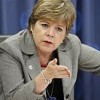
Q&A: “Latin America Faces a Tough Balancing Act”
Chile is leading the way towards the Millennium Development Goals (MDGs), while Honduras is seriously lagging behind, says Alicia Bárcena, executive secretary of the Economic Commission for Latin America and the Caribbean (ECLAC).
PHILIPPINES: Ban on Abortion Prevails
Sitting in an apartment in central Manila, 70-year-old Lydia (her second name has been withheld to protect her identity) speaks in hushed tones. A manghihilot, or traditional midwife, she is wary when talking about her experiences of abortion, an often-taboo subject in the Philippines.
HEALTH-ANGOLA: "It's Normal Here That Children Die Young"
Angelina Silva doesn’t remember the exact dates when her sons died. She just remembers their ages.MALAWI: Pre-school Education A Luxury
Less than a third of Malawi's children attend pre-school; the others will lag behind their peers for their entire school careers.ZAMBIA: Malaria Prevention Pays Off
Huge investments in malaria control and prevention have prevented as many as 75,000 child deaths over the past five years.
INDIA: Most Live Donors Are Wives or Mothers
Here's a statistic that reveals the truth about gender relations in India.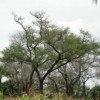
AFRICA: Plant Trees To Boost Agricultural Output
The outlook for food security in East Africa is looking bleak this year following poor rains, underscoring the urgency of raising farm productivity while adapting to a changing climate in Africa. Agroforestry experts have put forward planting trees as a possible solution.HEALTH-AFRICA: Financial Crisis Scapegoat for ARV Stockouts?
Shortages in supply of antiretroviral (ARV) drugs are caused by lack of political will and bad supply management, not by the global economic crisis, health experts say.G20: Stiglitz and Sen Come In Too Late
A new report on Measurement of Economic Performance and Social Progress presented earlier this month in Paris by Nobel prize winners Joseph Stiglitz and Amartya Sen is a late, and quite modest contribution to an old debate, many experts say.
MADAGASCAR: Poverty Forces 2 Million Children into Hard Labour
Poverty has increased dramatically in Madagascar since January, when a national protest movement to end the regime of former president Marc Ravalomanana plunged the country into a socio-economic crisis. Since then, the number of child labourers has risen by a whopping 25 percent.
ZAMBIA: Farmers Resort to Human Waste for Fertiliser
The economy's down, the price of fertiliser's up. And Zambian farmers are stealing sewage for their vegetable gardens.
LAOS: What People Cannot Eat is of Great Importance to Women – Part 2
"When I was born my mother could not eat anything but tiny fish and tea made from herbs for one whole year," says Dr Bhounsouane. "She was so weak that she could hardly walk. Post partum food taboos (phit kam) are a major problem in Laos for women," he said.« Previous Page — Next Page »





