Languages
Thursday, November 12, 2026



News and Views from the Global South
Poverty & MDGs
LATIN AMERICA: Big Gender, Ethnic Gaps in Wages Found
Indigenous people, descendants of Africans, and women in Latin America earn significantly less money than their predominantly white male peers of similar age and education levels, according to a new study released here Monday by the Inter-American Development Bank (IDB).
Q&A: Invest in Young People in Latin America
To fight inequality, Latin American countries must double the financial commitment they made at the 1994 International Conference on Population and Development in Cairo, Marcela Suazo, the regional director for the United Nations Population Fund (UNFPA), told IPS.CAMBODIA: Alarming Maternal Deaths Require a Mix of Solutions
Early this year, heavily pregnant Vorn Yoeub, 37, arrived at a hospital in the western Cambodian border town of Pailin. The mother of seven other children died later that evening along with her unborn child after suffering complications from bleeding.ARGENTINA: Through the Lens of Young Slum Dwellers
Two dozen young slum dwellers in Buenos Aires began filming a documentary about themselves this month, in an attempt to break down the negative stereotypes with which they are portrayed in the media.
PHILIPPINES: Like Men, Women Aim to Put Food on the Table
Despite experiencing an unsuccessful first foray into the world of commerce, the members of the Canduman Women's Co-operative (CWC) remain focused on producing a profit to aid their families' day-to-day living expenses.EDUCATION-ZIMBABWE: Students Quit Classes – and Country – As Crisis Deepens
Schooling is increasingly becoming a privilege of the rich, , Zimbabwean parents and teachers' unions complain.HEALTH: Criminalisation of Abortion 'The Wrong Concept'
One hundred African women and girls die unnecessarily from unsafe abortions every day because they have to rely on unqualified medical practitioners or self-induce abortion by ingesting poisonous substances or inserting tools into their uterus.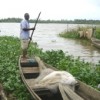
NIGERIA: Fish Could Play Greater Role In Food Security
The smell of roasting fish fills the air as one approaches the bungalow a few metres from the shore of the lagoon. Like most families in the village schoolteacher John Sewanu and his family of seven depend on the sea for food and income.HEALTH-NAMIBIA: Illegal Abortions Common Despite Risks
Ten years ago, a move to legalise abortion in Namibia failed. The number of unwanted pregnancies remains high, with many people unwilling or unable to use contraception. Despite the risks, illegal abortions remain common.HEALTH: Africa Leads World in Premature Infant Deaths
An estimated 13 million babies worldwide are born prematurely and more than one million die each year, say health experts.DEVELOPMENT: Resource Crunch Signals Larger Ecological Crisis
How would development programmes look if viewed from the position of scarcity, especially the scarcity of food, water, and energy?
RIGHTS-INDIA: Kerala Women Are Battered Wives
Kerala, the south Indian state which has the highest literacy levels and excellent social development indicators, has an unsavoury side - a land of violent husbands.
HEALTH-AFRICA: If Men Were Dying En Masse…
Maternal mortality rates in Africa constitute a "monumental tragedy" that requires urgent attention by African governments, health experts say.
CUBA: There Are No Tough Guys; It’s Tough To Be a Guy
It has been three years since he separated from his second wife and realised he did not have a home to return to. Although he has always been able to count on a helping hand from one friend or another, and his children help him out now and then, Humberto Martínez spends most nights sleeping on a park bench in the Cuban capital.
MEXICO: Rural Poverty Has a Woman's Face
Some transformations occur so imperceptibly that people only become aware of them when the new reality has set in. That’s exactly what happened in Mexico’s countryside, where economic and social conditions have combined to put rural production largely in the hands of women.DEVELOPMENT: Migrants Give More than They Take, Says U.N.
Often vilified and mistreated, migrant workers benefit both the countries they move to and the ones they leave behind, says the latest Human Development Report released Monday.
DEVELOPMENT: Plenty On the Plate – Part 2
"From a current 6.5 billion population, a billion don't get enough to eat right now. Extrapolate that to 2020, and you begin to recognise why this is not just a moral problem, it is a national security problem that has much more to do with civil strife, warfare, terrorism, immigration... This goes far beyond food."
DEVELOPMENT: Rome, Food Capital of the World – Part 1
It was once true that all roads led to this ancient capital. Today it is the furrows of maize, wheat and rice fields that take you to Rome, where the biggest global food organisations are headquartered, and the World Summit on Food Security (Nov. 16-18) is being organised.
RIGHTS-JAPAN: Get Cracking on Gender Equality
Japan's new female justice minister has promised to get serious about gender equality.SENEGAL: Scrambling to Keep Up With Education For All
In Diohine, a village of some 3,000 inhabitants in the Fatick region of central Senegal, real progress has been made towards educating all children, in spite of a lack of infrastructure.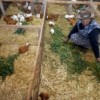
PERU: Guinea Pigs Spell Independence for Women
In a rural village in the Peruvian Andes, very near yet so far from the popular tourist destination of Cuzco, the guinea pig, a rodent native to the region, has become "woman’s best friend" – an important means for women to earn money to support their families, as well as to learn how to defend their rights.« Previous Page — Next Page »





