Languages
Tuesday, October 20, 2026



News and Views from the Global South
Poverty & MDGs
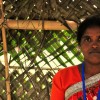
Women Warriors Take Environmental Protection into Their Own Hands
Aleta Baun, an Indonesian environmental activist known in her community as Mama Aleta, has a penchant for wearing a colourful scarf on her head, but not for cosmetic reasons.
Going Back to the Farm in Cuba
Scattered houses amidst small fields of vegetables and other crops line the road to the La China farm on the outskirts of the Cuban capital. This is where Hortensia Martínez works – a mechanical engineer who has been called crazy by many for deciding to become a small farmer.
Will Obama’s “New Africa” Deliver on Its Promises?
As the three-day U.S- Africa Leaders Summit here drew to a close Wednesday, experts across the private, public and non-profit sectors continued to debate the opportunities and obstacles posed by the U.S’ expanding business partnership with Africa.
OPINION: For Nigerian Girls, Education Is the Key That Opens Doors to Progress
I grew up in Nigeria, in a culture where bearing a son validates a woman and her family, and a male innately holds the superior position in society over a female. At 11 years of age, I escorted my mother to deliver her fifth baby girl, my youngest sister, and watched our mom die in the hands of an unfit doctor.
Child Malnutrition Doesn’t Take Vacation in Spain
It’s two in the afternoon, and María stirs tomato sauce into a huge pot of pasta. School is out for the summer in Spain, but the lunchroom in this public school in the southern city of Málaga is still open, serving meals to more than 100 children from poor families.
OPINION: Toward an Inclusive TPP Trade Pact
The Trans-Pacific Partnership (TPP) negotiations have been hitting headlines recently, but not for all the right reasons.
Asia Looks to Innovation to Achieve Sustainability
Innovation in the fields of renewable energy, food production, water conservation, education and health will be crucial for the developing economies of Asia to meet the United Nations’ Sustainable Development Goals (SDGs).
Cuba’s Balsero Crisis Still an Open Wound, 20 Years On
Tears, silence and evasive responses are the reactions from Cubans when they are asked about the “balseros” or rafters crisis; two decades after an exodus without parallel in Latin America, it remains a taboo subject in this Caribbean island nation.
The Deadly Occupation Attracting Kenya’s Youth
Allan Karanja, 22, is a sand harvester. His job is a complex and arduous one that involves him working in deep pits, equipped only with a shovel, crowbar and no protective gear, as he mines sand. It’s also a deadly occupation.
Bringing “Smart” Building Technology to Jamaica’s Shantytowns
Buildings are among the largest consumers of earth’s natural resources. According to the Sustainable Buildings and Climate Initiative, they use about 40 percent of global energy and 25 percent of global water, while emitting about a third of greenhouse gas emissions.
More U.S. Diplomas Come with Crushing Debts
Leah Hughes has big dreams of becoming a community organiser in Appalachia. A rising senior at the California-based Scripps College, Hughes is pursuing a dual degree in International Relations and Studio Art, and is incredibly thankful for her higher education experience thus far.
Cameroon Wants the World to Wake Up to the Smell of its Coffee
Issah Mounde Nsangou combs his 6.5-hectare Kouoptomo coffee plantation in Cameroon’s West Region, pulling up unwanted weeds and clipping off parasitic plants. For the 50-year-old farmer, the health of his coffee plants are of prime importance.
Africa Activists Urge Obama to Act on Extractive Industries Law
As the three-day U.S.-Africa Leaders Summit got underway here Monday, anti-corruption activists urged President Barack Obama to prod a key U.S. agency to issue long-awaited regulations requiring oil, gas, and mining companies to publish all payments they make in countries where they operate.
U.N.’s “Responsibility to Protect” Another Casualty in Gaza
When world political leaders met at the United Nations back in 2005, they unanimously adopted a resolution affirming the principle of "Responsibility to Protect" (R2P), aimed primarily at safeguarding innocent civilians from war crimes, genocide, mass atrocities and ethnic cleansing.
Will Climate Change Lead to Conflict or Cooperation?
The headline of every article about the relationship between climate change and conflict should be “It’s complicated,” according to Clionadh Raleigh.
Ethics of ‘Mercy Killing’ Up for Debate in India
If a terminally ill patient, with scant hope of recovery, pleads for his death to be facilitated, should the doctors comply? Or, if the family of a patient who has been declared brain-dead requests that her life-support system be withdrawn, should their will be respected?
Zimbabwe’s Food Entrepreneurs Cash in on a Failing Economy
Millicent Gananda, 34, and her two children enjoy their food at a roadside restaurant in downtown Harare, Zimbabwe’s capital, before they dash into the supermarket next door.
The ‘Global’ Land Rush
The first years of the twenty-first century will be remembered for a global land rush of nearly unprecedented scale.Analysis: Ten Reasons for Saying ‘No’ to the North Over Trade
India’s decisive stand last week not to adopt the protocol of amendment of the trade facilitation agreement (TFA) unless credible rules were in place for the development issues of the South was met with "astonishment" and "dismay" by trade diplomats from the North, who described New Delhi’s as "hostage-taking" and "suicidal".
Former War Zone Drinking its Troubles Away
Back in the day when the separatist Liberation Tigers of Tamil Eelam (LTTE) ran a de-facto state in Sri Lanka’s Northern Province, alcohol consumption was closely monitored, and sternly frowned upon.
U.S. Summit Seeks to Play Catch-Up in Africa
Despite worsening crises in Ukraine, Gaza, and elsewhere in the Middle East, the administration of President Barack Obama hopes next week to focus at least some more positive attention on Africa.« Previous Page — Next Page »





