Languages
Wednesday, October 7, 2026



News and Views from the Global South
Southern Africa
Zimbabwe Women Make Themselves Heard on Draft Constitution
A parliamentary select committee has begun compiling comments on a new constitution, gathered at 4,000 meetings held across Zimbabwe over the past three months. Gender activists are confident that women's views have been expressed; it will be up to the eventual drafters of the new constitution to ensure they are reflected.
SOUTHERN AFRICA: Testing the Waters Ahead of Closer Collaboration
You would expect to find children in the Vaal River outside Parys on a hot afternoon. But 28 of them, on the Gauteng side of the river, are not swimming; they are doing research for ORASECOM.
Challenge to Retain Zambia’s Teachers
Zambia's efforts to strengthen its education system will come to little if no way is found to retain skilled teachers like Caroline Chisenga.
SWAZILAND: Scramble to Meet Shortfall in Food Aid
November will see the World Food Programme launch its Food by Prescription programme in Swaziland, but tens of thousands in urgent need of food aid are set to go without as a donor shortfall restricts assistance.
SOUTH AFRICA: Neglected Johannesburg Neighbourhood Rises Again
A month after property developer Alex Montwedi bought a 42-unit high-rise apartment building in Johannesburg’s Berea neighbourhood, he found himself chased out of the building by his own tenants.ZIMBABWE: Uncertainty Over Women’s Place in Police Force
Women continue to join the Zimbabwe Republic Police, despite mixed reactions to their presence in law enforcement and allegations of abuse by fellow officers.
SOUTH AFRICA: Draft Bill Is ‘A Charter for Rogues’
A coalition of civil society groups marched to South Africa's Parliament on Oct. 27 to protest against the draft version of a new Protection of Information Bill. "This bill is a betrayal of all the democratic principles we fought for," anti-apartheid stalwart Kader Asmal told the crowd.
SOUTHERN AFRICA: New Inland Port Set to Improve Regional Trade
Land-locked Malawi, Zambia and Zimbabwe expect to improve their import and export fortunes following the opening of an inland harbour, the Nsanje World Inland Port, on Malawi’s biggest river, The Shire.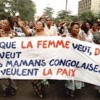
DR CONGO: ‘An Opportunity to Say Never Again’
Civil society in the DRC's eastern province of South Kivu is determined that meaningful action will follow from the publication of the U.N.'s Mapping Project, a report detailing some of the most serious human rights violations by state and non-state actors in the DRC between 1993 and 2003.ZIMBABWE: Failing to Address Schoolgirl Pregnancies
Concern over reports of growing numbers of pupils dropping out of school due to pregnancy has rekindled debate over the link between intergenerational sex and HIV infection among Zimbabwe's youth.
Without Investment in Agriculture, Africans Stay Hungry
Inadequate access to water, recurring floods and droughts as well as a lack of political will to invest in small-scale agriculture perpetuate hunger across Africa, the continent’s food security experts say.
Could Water-Efficient Maize Boost Africa’s Food Security?
As controlled field trials of a genetically modified (GM) crop are about to begin in five African countries amidst promises of improved crops grown under poor conditions, critics are charging organisations with selling out the interests of African farmers.
Malawi Herbalist Joins Fight Against Deforestation
Decades of shifting cultivation by rural farmers have threatened forests in the district of Karonga in northern Malawi. The loss of forest cover has also threatened the livelihood of Benjamin Kalowekamo, a herbalist who depends on local plants to mix his healing concoctions.NAMIBIA: Increase Needed in Social Grants for Foster Children
Seventeen-year-old Jason* wants to be a pilot and his 14-year-old foster sister, Gracie*, wants to be a lawyer. In the impoverished district of Rehoboth, south of Windhoek, dreams such as these do not always come true.ZIMBABWE: Woman Metal Worker Breaking the Mould
At a time when more and more women around the world are taking up jobs in male-dominated domains, 41-year-old Sithabile Ruswa is also making her mark, albeit far from the air-conditioned boardrooms usually reported on.Proposed Pension Bill Outrages Malawi Workers
A draft pension bill has created great concern among workers in Malawi, with some hurriedly seeking early retirement before it will be passed. The bone of contention is a section pegging the retirement age for women at 55 and men at 60.
ZAMBIA: Widespread Poverty Threatens to Reverse MDG Gains
Civil society organisations warn that unless Zambia addresses its high poverty levels, the strides the country already made in achieving some of the Millennium Development Goals (MDGs) may be reversed.
MAURITIUS: Social Ills Prevail Despite Meeting MDGs
The small island state of Mauritius is the only African country likely to meet all eight of the United Nations’ Millennium Development Goals (MDGs) by 2015 - at least on paper. But its citizens say government could do more to improve livelihoods, gender equality and environmental sustainability.
ZIMBABWE: Debt Crowds Out Essential Spending on Health
Zimbabwe’s debt burden of about 8.3 billion dollars, owed to internal and external institutions, is crowding out essential national budget items such as health and basic services, with detrimental effects for particularly women.
SOUTHERN AFRICA: Strengthen Cooperation to Secure Power
Southern African nations need to agree on a common operational system to manage energy in the region, environmental experts advise. If they don’t, the region could experience power shortages and resulting economic deficits.Okavango’s Resurgent Floods Test Disaster Management
Despite early warnings about higher-than-usual flooding of the Okavango Delta in 2010, homes, fields, latrines and boreholes in the delta were flooded.« Previous Page — Next Page »





The Week with IPS

NEXT STOP - SDGs
Tracking global progress towards a sustainable world
Tracking global progress towards a sustainable world
