Languages
Thursday, September 17, 2026



News and Views from the Global South
Troubled Waters
Sustainable Aquaculture Picks Up Steam
As farmed fish consumption catches up on wild, a search for sustainable aquaculture picks up steam.Nigeria Suffers Acute Lead-Poisoning Outbreak
The Nigerian government is trying to cope with an outbreak of lead poisoning which has killed over 200 people in Zamfara State since early July.
Water as Human Right Threatens to Split World Body
A long outstanding proposal to recognise the right to water as a basic universal human right is threatening to split the world's rich and poor nations.
ENVIRONMENT-INDIA: Fighting Drought With Check Dams
Gazing out at the lush greenery that surrounds the village of Salaita in northern India, a smile of satisfaction appears on retired army general A.P.S. Chauhan's face.
PERU: ‘Don’t Minimise’ Impacts of Amazon Oil Spill
Pluspetrol's Jun. 19 petroleum spill has left the Marañón River, in the Peruvian Amazon, with oil and grease levels thousands of times greater than the maximum allowed for human consumption, affecting more than 4,000 local residents.
PARAGUAY: Clean Water Out of Reach for Native Peoples
Of the many things that are not within the reach of everyone in Paraguay, safe drinking water is the one the indigenous population longs for most.
PAKISTAN: Water Trickles Back into Village, Thanks to Solar Desalination
Ismail Achar never thought a day would come when his island village would be reduced to a barren tract of land with hardly a drop of water to drink.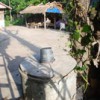
LAOS: Water Headaches Follow Growth of Cities
At 63, Kingkham Duoangsavanh has it made. Now retired after decades of working as a nurse, she lives happily with her grown-up children in a well- appointed home with all the amenities. But up until recently, a constant shortage of water has marred her comfortable existence.Raising Water Productivity to Increase Food Security
With water shortages constraining food production growth, the world needs an effort to raise water productivity similar to the one that nearly tripled land productivity over the last half-century.Caribbean Under Fire for Pro-Whaling Stance
The votes of six Caribbean countries could help decide whether or not the International Whaling Commission (IWC) will ease the 1986 global ban on commercial whaling and allow hunting in the Southern Ocean Whale Sanctuary around Antarctica.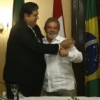
ENERGY: Brazilian Dams in Peru’s Jungle, to Supply Brazil
An energy deal that Peru and Brazil signed this week in the Amazon city of Manaus in Brazil is opposed by environmentalists and local indigenous communities in Peru where the planned hydroelectric dams will be built. What is at stake?Upstream States Challenge Egypt Over Nile Waters
A water-sharing treaty among five upstream Nile Basin countries - to the exclusion of Egypt and Sudan - has reignited the longstanding dispute over water distribution. Local experts, however, say the agreement will not jeopardise Egypt's historical share of Nile water.Oil Spill Comes at Worst Time for Endangered Bluefin Tuna
With their population at less than 20 percent of what it was four decades ago, bluefin tuna in the western Atlantic need a lot of things to go just right if they are going to survive as a population. Now, just as they are returning to the Gulf of Mexico to spawn, they are likely to find one of their key breeding grounds slicked-over with oil.Misregulation Aiding Plunder of Fish, Other Resources
The resources society derives from nature have been horribly mismanaged and this will lead to the children of the world's poorest people remaining in poverty, according to Paul Collier. The easiest of these resources to regulate is fish, but we have not even managed to get that right, he said.
SOUTHERN AFRICA: Developing a Pristine River: The Okavango Basin
The welcome end to wars in the upper reaches of the Okavango River brings new pressures for development and the risk of unwelcome changes to the health of the river. A joint commission to manage the basin is developing tools to avoid this.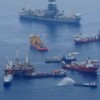
More Deepwater Disasters on the Horizon?
Despite a federal moratorium on offshore oil drilling, new permits and controversial environmental waivers for oil rigs continue to be granted, sparking criticism from policymakers and environmentalists.And Not a Drop to Drink for Palestinians
A new desalination facility has come up here on Israel's Mediterranean seashore, to soothe Israel's chronic fresh water shortage. An elaborate network of pipes beneath the beach reaches westward far into the sea. Eastward, it links up with the national water system.
COLOMBIA: Initiative for Water as a Human Right Sinking in Congress
Colombian civil society organisations gathered more than two million signatures to ask Congress to hold a referendum on a constitutional amendment that would make access to water a fundamental human right. But Congress gutted the draft referendum bill this week by eliminating the clause on water as a human right.ECUADOR: Native Standoff Over Water Bill on Hold
The Ecuadorean legislature's decision to hold a non-binding vote among the country's indigenous communities on a controversial water bill that sparked weeks of protests by native groups has calmed things down -- for now.
ARGENTINA: Two Centuries of Environmental Destruction
In the 1830s, the sheer abundance and diversity of plants and animals in Argentina -- whether on land or in the water -- astounded British naturalist Charles Darwin during his famed tours of South America.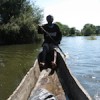
NAMIBIA: Will Farm Project Mean the River Runs Dry?
A proposed irrigation scheme promises greater food security for Namibia, but should the 10,000 hectare Katondo Farm Project be completed, it could threaten the health of the Okavango River.« Previous Page — Next Page »


The Week with IPS

NEXT STOP - SDGs
Tracking global progress towards a sustainable world
Tracking global progress towards a sustainable world
