Languages
Thursday, October 1, 2026



News and Views from the Global South
Zimbabwe

Zimbabwe’s Rocky Economic Start to 2014
Evelyn Mhasi, a qualified nurse, has not worked in her profession for the last seven years. Hiring in several Zimbabwean government sectors, including nursing, remains frozen despite colleges churning out skilled professionals each year.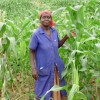
Limpopo River basin irrigation water under-utilized in Zimbabwe
 Ish Mafundikwa reports that only a fraction of the water available for irrigation in the Limpopo River basin in Zimbabwe is being used.

Free Expression Still a Mirage for Zimbabwean Artists
That citizens cannot enjoy democracy if they are ruled by an undemocratic party is the warning that got Cont Mhlanga's play "Members" banned from theatre stages in Zimbabwe in 1985.
Are Things Falling Apart for Zimbabwe’s MDC-T Party?
Losing the Jul. 31 polls in Zimbabwe may have been a heartrending experience for the country’s former prime minister, Morgan Tsvangirai, but a veiled succession struggle in his own party may prove the straw that breaks his political career.
Drug-Shunning Patients Could Derail Zimbabwe’s AIDS Plan
Each month, scores of people living with HIV gather at Mpilo's Opportunistic Infections Clinic in Bulawayo for free antiretroviral medication that has improved their lives.
WASH Still a Work in Progress in Zimbabwe
Ish Mafundikwa reports from Harare that five years after the deadly cholera outbreak that hit Zimbabwe, the country is still struggling to upgrade its water and sanitation infrastructure.

Fear of HIV Testing Among Zimbabwe’s Teens
Seventeen-year-old Natalie Mlambo* has two good reasons to get tested for HIV. She has two boyfriends and has unprotected sex with them. One is a high school classmate. The other is older, works in a bank, and can afford to give Mlambo small gifts and some money.
Zimbabweans Left Worse Off by Local Mining Companies
Ranganai Zimbeva, from the rural village of Mutoko, which lies about 200 km northeast of Zimbabwe’s capital Harare, plugs his ears with his fingers and shakes his head as he watches miners close to his village blast the hard rock to extract the black granite within.
Zambezi River Authority Working to Avoid Kariba Mistakes at Batoka
Tens of thousands of people were forcibly moved from their homes to make way for the Kariba Dam almost 60 years ago. A new Hydroelectric Scheme is being proposed at Batoka upstream from Kariba and the Zambezi River Authority is working to ensure that the lives of those in the vicinity are not overly disrupted.

Zimbabwe’s Battered Old Cars Worsening Air Pollution
It is a common sight in Zimbabwe’s rural areas – dilapidated old cars making their way from one district to the next overloaded with chickens, maize, luggage and people.
Zimbabweans Head Out for a Better Life
Admire Gumbo, 26, from Harare’s Mabvuku high density-suburb, is loathe to leave Zimbabwe to return to Botswana. However, he feels he has no choice but to return to the neighbouring country where he worked for three years as a manual labourer.
Sunshine Gets Slowly More Energetic in Zimbabwe
On top of a small wooden cabin in Norton, a dormitory town outside the capital of Zimbabwe, is a solar panel that Silvester Ngunzi uses to light up his household.
Zimbabwe Finally Working on Climate Change Policy
Despite all the evidence of climate change, Zimbabwe has no policy on climate change. Garikai Chaunza reports from Harare that the country is finally working on a climate change policy.

Zimbabwe Minister Dismisses Claims of Media Clampdown
He is the architect of what critics call Zimbabwe's most repressive media laws, and the press here anticipate that journalists arrests and media suppression may intensify now that he has been appointed minister of media and information. But Professor Jonathan Moyo has dismissed the concerns and told IPS "journalists had nothing to fear but fear itself."
Mugabe’s Policies Starve Zimbabweans
Tambudzai Javangwe from Mwenezi district in southern Zimbabwe, has run out of food and each day she begs for hand-outs from well-wishers so that she can feed herself an her six orphaned grandchildren.
Inadequate Support for Agriculture Costs Zimbabwe
Zimbabwe used to be self sufficient in maize, the staple crop and often produced a surplus which was sold to neighbouring countries. But since the land reform programme launched in 2000, the country has failed to meet its needs. Experts blame insufficient support by the government for the agricultural sector's poor performance.
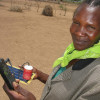
Mobile Phones Big Hit in Rural Zimbabwe
Prosper Muripo rents a small space in a general dealer’s shop at the Gotora shopping centre in Zimbabwe’s Mashonaland East province. He is one of the many people in rural Zimbabwe who earn a living selling recharge vouchers and charging mobile phone batteries on solar-powered chargers.
Zimbabwe Sails Close to Economic Rocks
For President Robert Mugabe to defeat the opposition in the Jul. 31 election by hook or by crook may have been a walk in the park, but beating the economic crisis will be another matter. The stock market fell 11 percent the day he was sworn in, the biggest fall in a day since 2009.
Mugabe Begins Another Presidential Term
Robert Mugabe will be inaugurated on Thursday, Aug. 22, to serve yet another five-year term as Zimbabwe’s president after holding the post for the last 33 years. And he does so as analysts here raise concerns that a recent High Court ruling recommending the arrest of outgoing Prime Minister Morgan Tsvangirai’s lawyers on contempt of court charges could be the start of political oppression.Mugabe Opponents ‘Intimidated’
Voting may have ended in Zimbabwe’s presidential election, but the controversy around the vote has not.
Zimbabwe’s Electoral Commission Shaken by Vote
As a second commissioner from the Zimbabwe Electoral Commission (ZEC) resigns, local opposition parties and analysts are questioning the organisation’s credibility and President Robert Mugabe’s victory.« Previous Page — Next Page »


The Week with IPS

NEXT STOP - SDGs
Tracking global progress towards a sustainable world
Tracking global progress towards a sustainable world
