Languages
Wednesday, November 25, 2026



News and Views from the Global South
Civil Society
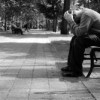
U.S.: Brain Injuries May Push Victims into Homelessness – Part I
You might say Nick Patton was born to fish. Literally born on a boat, Nick spent his earliest years living in orphanages along the Alaskan coastline. He ran away at the age of eight and quickly learned how to take care of himself and to rely on others - traveling in groups around the Pacific Northwest, picking apples and doing day labour.
Chinese Dissident Artist Ai Weiwei Freed
Ai Weiwei, the renowned artist who is among the most prominent dissidents detained in China's sweeping recent crackdown on dissent, has been released on bail after confessing to tax evasion.
Second Humanitarian Flotilla Prepares to Sail for Gaza
As the second Freedom Flotilla, made up of some 10 ships carrying 1,000 activists from 20 countries, gets ready to sail for the besieged Gaza Strip, Israeli authorities are stepping up their threats.HUMAN RIGHTS-MEXICO: Overdue Homework
Although four of the five sentences in which the Inter-American Court of Human Rights has found the Mexican state guilty involved cases from the southwestern state of Guerrero, the effects of the rulings have not yet had an impact on that area, one of the poorest parts of the country.WE NEED BETTER, NOT MORE, INFORMATION
Not long ago we were convinced that the more information we had the more aware we would be as citizen and the more likely to make informed decisions at the polls. Today it seems the more information we have, the more questions we have. Ultimately, rather then feeling more secure, we feel more uncertain.
Hydropower Dams Hurt Amerindians in Brazil and Canada
Michael Lawrenchuk, a Cree political activist from Canada, was given a standing ovation at the International Hydropower Association congress held in this Brazilian border town, after depicting the suffering of his people since dams began to be built on rivers across their land.ARGENTINA: Mothers of Plaza de Mayo Scandal “Toxic” for President
Above and beyond the impact it might have on Argentina's Oct. 23 general elections, few doubt that the government of Cristina Fernández will feel the effects of the fraud scandal involving the alleged misuse of public funds by the former right-hand man of the head of the Mothers of the Plaza de Mayo Association.Another Push for Reproductive Rights
By 2015, women demanding family planning products and services in the developing world will likely reach 933 million, a terrific increase from the current 818 million women demanding access to these basic reproductive commodities.Developing Countries Pledging More Emissions Cuts Than Industrial North
Negotiations over a new international climate agreement are on the brink as new analyses show that carbon emission reduction promises by industrialised nations are actually lower than those made by China, India, Brazil and other developing nations. Even with all the promises or pledges added together they are still far short of cuts needed to prevent global temperatures from rising two degrees Celsius, experts reported here.Turkey Recalibrating Regional Role
As thousands of Syrian refugees pour over the Turkish border, the just re- elected government in Ankara is confronting the limits of its "no problems" policy toward its neighbours.Red Shirts Shift to Village-Based Politics in Thai Heartland
The shimmering green paddy fields across the vast terrain here remain a vivid marker of rural identity. But now, another colour – red – is steadily taking root in the villages dotting this plateau in north-east Thailand that are home to poor farmers.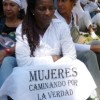
RIGHTS-COLOMBIA: Murdered Activist’s Children Go into Exile
"They are very distressed. Their father, mother and two brothers have been killed. They have expressed the wish to leave the country," Colombian Vice President Angelino Garzón said after meeting Tuesday with the surviving daughters and son of Ana Fabricia Córdoba, a prominent land rights activist assassinated on Jun. 7.ICC Urged to Accept ‘Ecocide’ as an International Crime
Images of the immense, dark stain of oil covering the waters of the Gulf of Mexico made their way across the globe last year as one of the largest oil spills in history unfolded. Other images - of the ‘Great Pacific Garbage Patch’, a gigantic pile of litter floating in the North Pacific Ocean; of countless felled trees in the Amazon; of tar sands in Canada - have gained much fewer headlines, but are likely to remain as monuments to the price tag of wanton human appetites.
BANGLADESH: Ship Breakers Defy Court Ruling on Toxic Vessels
The ship breaking companies of Bangladesh continue to import highly toxic foreign vessels despite a two-year-old ban, and are also defying a court order to ensure workers’ safety and implement environmentally sound practices, a group of lawyers says.Climate Regulatory Gap Could Result After 2012 Kyoto Expiration
The growing awareness that the ongoing U.N. climate change talks here won't deliver a treaty to extend the international governance regime on reducing greenhouse gas emissions after 2012, is driving environmental experts to foster alternative solutions to global warming.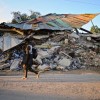
HAITI: Behind the Closed Doors of Port-au-Prince “Reconstruction”
Almost 17 months after the Jan. 12, 2010, earthquake that devastated Port-au-Prince and three other cities, reconstruction of the capital's downtown appears stalled, and over 800,000 people still live in tents – some 30,000 of them right across from the collapsed National Palace.Central America Should Turn to Community Policing, Experts Say
The countries of Central America should adopt community policing as a strategy to fight organised crime, say experts in the region ahead of a key summit on security to be held Jun. 22-23 in the Guatemalan capital.IRAN: Protests Mark Two-Year Anniversary of Contentious Polls
A silent protest through the streets of Tehran under the watchful eyes of a heavy security presence marked the second anniversary of Iran's June 2009 contested polls Sunday, amid a growing rift between Supreme Leader Ayatollah Khamenei and President Mahmoud Ahmadinejad, and among different conservative wings preparing to compete in the March 2012 Parliamentary elections.PAKISTAN: Women Shield Children From Extremism
When Farah’s 16-year-old son began to disappear for several nights a week without saying where he went, she was naturally worried. After he returned one day and shattered the television screen in their Peshawar home, the mother of three decided it was time to quit her job as a teacher and to find out what was making her youngest child so angry.INDIA: Gandhism Returns to Fight Corruption
Almost 65 years after Mahatma Gandhi used "satyagraha" or "truth force" to lead a movement against British rule in India, Gandhism is back, this time facing an enemy more pernicious than colonialism: corrupt politicians, bureaucrats and businessmen stashing stolen wealth abroad.U.S.: Alabama’s Immigration Bill “Turns Back Clock” on Civil Liberties
On Dec. 1, 1955, at the height of racial segregation in the United States, a little-known middle-aged seamstress named Rosa Parks refused to give up her seat to a white passenger on a Montgomery City bus in the southern state of Alabama.« Previous Page — Next Page »


 Representatives of Civil Society, Sierra Leone. Credit: UN Photo/Eskinder Debebe
Civil society faces mounting threats worldwide, even as it remains essential for democratic accountability, especially in countries struggling with economic instability and social inequality. However, at the same time, nations with weak democratic governance structures also systemically suppress the power of civil society. Human rights activists across the Global South frequently challenge issues such as political persecution and gender oppression, but in return face state-sanctioned punishment for their advocacy. Imprisonment and exile are common mechanisms of punishment that seek to erode the strength of civil society. The 2026 World Press Freedom Index has reached its lowest level in 25 years, with more than half of the world’s countries now falling into the "difficult" or “very serious” category for press freedom. IPS seeks to highlight the work of civil society across the Global South as well as the challenges that they face.
Updated by Yilan Batista and Shuli Wong August 2026

The Week with IPS

NEXT STOP - SDGs
Tracking global progress towards a sustainable world
