Languages
Wednesday, November 18, 2026



News and Views from the Global South
Health
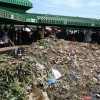
Is the 2030 Goal for Hunger Eradication Realistic?
With less than three years before a 2015 deadline, the developing world is largely expected to miss one of the U.N.'s key Millennium Development Goals (MDGs): halving the number of people living in extreme poverty and hunger.
‘Happy Prostitutes’ AIDS Campaign Sparks Debate
Happiness, the subject of endless philosophical discussions, has now become the focus of controversy in an HIV/AIDS prevention campaign aimed at prostitutes in Brazil. The campaign chief has been booted out and a further question has been raised: What are the limits of popular participation in the definition of public policies?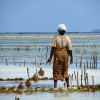
Zanzibar’s Encroaching Ocean Means Less Water
Khadija Komboani’s nearest well is filled with salt water thanks to the rising sea around Tanzania’s Indian Ocean island of Zanzibar.
Cairo’s Poor Convert Kitchen Waste Into Fuel Savings
The bio-gas digester on the roof of Hussein Farag's apartment in one of Cairo's poorest districts provides a daily supply of cooking gas produced from the kitchen waste his family would otherwise discard in plastic bags or empty into the clogged sewer below his building.U.S. Regulatory System “Stymied by Special Interests”
A broad-based alliance of public interest and other groups is warning that years of attacks by business interests has made the U.S. regulatory so inefficient that public safety is being put at risk.
OP-ED: Are We at the Tipping Point for Ending Hunger and Malnutrition?
Author Malcolm Gladwell draws on the science of epidemiology in his book "The Tipping Point" to explain how ideas spread through a population, in the same way as an infectious disease can proceed from a few cases to a full-blown pandemic.
When the Train Passes, But Never Arrives
José "Goyo" Hernández has never been given a mask to keep him from breathing in the coal dust blowing off the 13 trains that pass daily through this village in the municipality of Zona Bananera in the northern Colombian department of Magdalena, during his 12-hour shift at the railway crossing.Ukraine Injects Addicts With Hope
As former presidents, senior diplomats and experts meet in the Lithuanian capital to discuss a litany of rights abuses, lethal epidemics and social destruction caused by repressive drug policies in Eastern Europe and Central Asia, pockets of hope for drug reform are emerging across the region.
The Girl Who Couldn’t Herd Goats Now Saves Lives
When she was nine years old, Jane Meriwas, a Samburu from the Kipsing Plains in Kenya’s Rift Valley region, was considered of no use by her father. After all, nine of his goats had been eaten by hyenas under her watch.
Kenya’s Flower Farms No Bed of Roses
Catherine Mumbi knows the difficulties of working in Kenya’s flower sector. She was fired as a casual worker at a flower farm after taking time off to recover from complications of the liver. But that was just the start of her problems.
The Future of the Pacific Ocean Hangs in the Balance
The immense scale of the Pacific Ocean, at 165 million square kilometres, inspires awe and fascination, but for those who inhabit the 22 Pacific island countries and territories, it is the very source of life. Without it, livelihoods and economies would collapse, hunger and ill-health would become endemic and human survival would be threatened.
In Southern Tunisia, Pollution No Longer Swept Under the Rug
The story of Gabès and the local phosphate industry follows a plot that is all too familiar: an underdeveloped town located in an industrial region boasts one major lucrative industry with high output and export values, but the local population and surroundings experience alarming levels of illness and environmental blight.
International Community Urged to Declare “War on Food Waste”
A quarter of all food calories grown for human consumption is being lost or wasted, either purposefully or otherwise, according to new estimates.
Tackle Malnutrition Now
Between 2010 and 2012, 868 million people worldwide were deemed hungry by a conservative definition. This figure represents only a small fraction of the world’s population whose health and lives are blighted by malnutrition.
Malnutrition Still Killing Three Million Children Under Five
Kevin’s Carter’s disturbing picture of the 1993 famine in Sudan won him a Pulitzer Prize.
When the Health System Is Taken Ill
Leaning on her daughter’s arm in the post-operative ward of a hospital in Srinagar, capital of the northern Indian state of Jammu and Kashmir, Raja Begam views the anti-infection pill she is being offered with a large dose of suspicion.
In Besieged Refugee Camp, Syrian Medics Struggle to Provide
It was nine in the morning when the shell landed in front of nine-year-old Hella al-Abtah's house in the Yarmouk Palestinian refugee camp in Damascus. Hella survived the initial blast but was critically wounded in the head, and her father rushed her to the Palestine Hospital, blood pouring from the laceration.Obama Pledges to Bring Mental Health “Out of Shadows”
President Barack Obama tried Monday to jumpstart a new national discussion on mental health, sponsoring a conference with Vice-President Joe Biden aimed at reducing social stigma around the issue.
U.S. Increasing Solitary Confinement, Impact Uncertain
The U.S. federal prison system’s use of solitary confinement and other forms of “segregated housing” has increased substantially over the past five years, according to new data released by the U.S. Congress’s official independent watchdog.
Q&A: Weather Forecasts to Prevent Strokes and Asthma Attacks in Cuba
A biometeorological forecast model developed in Cuba to sound the alert on weather conditions that exacerbate chronic diseases like asthma, hypertension and vascular disorders could also help predict the impacts of climate change on health.
Q&A: Iran’s Medical Shortages: Who’s Responsible?
For two years, reports have surfaced describing medical supply shortages in Iran, some with devastating consequences, as debate continues to rage about who's responsible - the Iranian government or the sanctions regime.« Previous Page — Next Page »


 Bangladesh: Sarid, born one month early, receives specialized newborn care and grows stronger every day. Credit: UNICEF/UNI944397/Mojumder
Since the onset of the 2000s, global life expectancy has seen an overall rise, attributed to significant technological and scientific innovations in healthcare. Due to an increased understanding of different conditions as well as a rise in cooperation among healthcare experts around the world, there have been major strides made in ensuring that as few people die from chronic illnesses as possible. Despite the belief that healthcare is a fundamental human right, people from low- or middle-class backgrounds, marginalized groups, and underdeveloped countries have far more limited access to basic healthcare services.
The COVID-19 pandemic showed how marginalized communities are disproportionately affected by health crises, proving that we have much work to do in ensuring that no one dies of terminal conditions. While the global response to the coronavirus saw significant strides in immunization and vaccine development, the global outbreak of mpox in 2022 and its upsurge in parts of Africa in 2024 must remind us to remain vigilant.
Other major disease outbreaks in recent years have been linked to the destruction of infrastructure during warfare. Notably, in 2024, the Gaza Strip witnessed a return of the poliovirus since its eradication in the region 25 years ago. Israel’s blockade on Gaza has resulted in the collapse of the region’s sewage plants and desalination plants, and also destroyed healthcare capacities. The UN stated that this lack of clean water and sanitation would lead to an outbreak of cholera and other deadly infectious diseases. The 2026 OCHA Humanitarian Situation Report confirmed that the over two years of conflict in Gaza has produced a catastrophic health emergency, with millions remaining dependent on relief aid amid tight restrictions and no functioning public health system.
IPS is committed to providing full and comprehensive coverage on healthcare challenges around the world. IPS seeks to address the multifaceted causes of such challenges, including unprecedented pandemics, conflict-driven disease outbreaks, as well as socioeconomic barriers to equal healthcare access. IPS is also dedicated to reporting on innovations in the healthcare industry.

The Week with IPS

NEXT STOP - SDGs
Tracking global progress towards a sustainable world
Tracking global progress towards a sustainable world
