Languages
Wednesday, November 18, 2026



News and Views from the Global South
Health
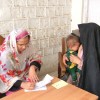
Good Health Lies Just Across the Border
Muzaffar Shah, a shopkeeper from Kabul, sits in a hospital waiting room, desperate for news. He has travelled nearly 300 km to get to the Khyber Teaching Hospital in Peshawar, capital of northern Pakistan’s Khyber Pakhtunkhwa (KP) province, where his wife is now in intensive care.
The Battle to Save DRC’s Mothers
"Many hospitals and health centres" that are not run by NGOs "do not meet health standards," according to Dominique Baabo, provincial medical inspector for North Kivu province in eastern Democratic Republic of Congo.
Healthcare for Native People in Brazil Is Ailing
Healthcare for Brazil’s indigenous minority is in poor health, according to U.N. experts, missionaries, social workers and native people themselves.
U.S. Hungry Face Major Cuts in Food Aid
The U.S. Congress is on the brink of making billions of dollars in cuts to the Supplemental Nutrition Assistance Programme (SNAP), commonly known as food stamps, which provides direct benefits to individuals and families in poverty.
Failed Drug Policies Building Global Hepatitis C ‘Time-Bomb’
As a hepatitis C pandemic rages among drug users and threatens the lives of millions around the world, a group of high-level leaders called today on governments to reform their drug policies and raise awareness about the public health threat of hepatitis C.
Youth Say Coca-Cola Is Easier to Find Than Condoms
“If I am thirsty and want a bottle of Coca-Cola I can get it, no matter where in the world I am. Why can’t I get contraceptives or sexual heathcare?” asked Carlos Jimmy Macazana Quispe, a youth representative from Peru currently in Kuala Lumpur for the third edition of the Women Deliver global conference on the "health and well-being of women and girls."
Child Malnutrition Costs Global Economy Billions Yearly – Report
In addition to the serious health problems it causes, child malnutrition is costing the global economy tens of billions of dollars a year by depriving its victims of the ability to learn basic skills, according to a new report released Tuesday by Save the Children (STC).
Youth Speak Loudest in Global Development Survey
Kanny Daylop, a legal practitioner and consultant from Nigeria, recalls her encounter with a woman named Joy.
Maternal Healthcare Evades Marginalised Mothers
In the small village of Haldiyaganj in the northeastern Indian state of Meghalaya, 17-year old Injuara Begum is nursing her son who was born right here on the floor of her home three years ago.
Pakistani Doctors Earn “Only Gratitude” for Treating Fistula
Sherhshah Syed is a highly qualified doctor and president of the prestigious Pakistan National Forum on Women’s Health (PNFWH) but his income does not match his qualifications.
OAS Chief Calls for “Long-Awaited” Debate on Drug Policy
Following the release of a major draft report on drug policy in the Americas, the secretary-general of the Organisation of American States (OAS), Jose Miguel Insulza, called for the beginning of debate aimed at reforming those policies throughout the region.
Heroin Dulls Hardships for Afghan Women
Located on a narrow street in a quiet neighbourhood in Kabul, the Sanga Amaj Women’s Treatment Centre is the only one of its kind in Afghanistan: named after the 22-year-old journalist who was assassinated in 2007, the facility caters exclusively to Kabul’s massive population of female drug addicts.
Health Care for Immigrants Crumbling in Spain
The death of a young Senegalese man from tuberculosis in Spain, following alleged lack of medical care, triggered a new outcry by civil society organisations against the law passed last year that excludes undocumented immigrants from the public health system except in emergencies.
OP-ED: The Nexus Between Women and Development
Every three years since 2007, a global advocacy organisation called Women Deliver has convened an international conference to talk about issues relating to the health and well-being of girls and women.
New Effort Targets the Leading Killers of Children
PATH, a Seattle-based global health development organisation, is aiming to save two million lives by 2015 by jointly tackling diarrhea and pneumonia, the leading killers of children globally.
Q&A: AIDS-Free Future Means Fighting Homophobia
The global fight against HIV/AIDS has seen recent hard-won breakthroughs, including the discovery of the genetic hiding place of the virus by doctors in Australia, a 50-percent drop in new infections across 25 low- and middle-income countries, and an increase of 63 percent in the number of people with access to HIV medication.
U.S. Strategy on Water, Development a “Major Advance”
U.S. officials Tuesday formally unveiled the government’s first comprehensive strategy aimed at integrating water into all U.S. development funding and programmes, a step long urged by advocates and development experts.
UNFPA Focuses on Contraception for 222 Million in Developing World
When thousands of participants from around the world gather in the Malaysian capital of Kuala Lumpur next week, the primary focus will be on health and empowerment of girls and women.
Environmentalists See Seeds as Key to Agricultural Reform
As the global agricultural sector is faced with ever-greater challenges, the question of how to reform and improve the sector is a controversial and difficult one. So Terra Futura, a three-day exhibition and conference on agricultural good practises held annually in Florence, brought the debate back to its roots: seeds.
Survivors of Factory Collapse Speak Out
“It was dark and hot with choking dust all around. The air was filled with the smell of decomposing corpses,” recalled Nasima, a 24-year-old factory worker who spent four days buried under the rubble of an eight-storey building that collapsed in a suburb of Bangladesh’s capital Dhaka last month.
No Sweet Consolation for Women Diabetics
The disease itself may not discriminate on the basis of gender, but when it comes to healthcare for patients with diabetes, women in India find themselves at a disadvantage compared to men.« Previous Page — Next Page »


 Bangladesh: Sarid, born one month early, receives specialized newborn care and grows stronger every day. Credit: UNICEF/UNI944397/Mojumder
Since the onset of the 2000s, global life expectancy has seen an overall rise, attributed to significant technological and scientific innovations in healthcare. Due to an increased understanding of different conditions as well as a rise in cooperation among healthcare experts around the world, there have been major strides made in ensuring that as few people die from chronic illnesses as possible. Despite the belief that healthcare is a fundamental human right, people from low- or middle-class backgrounds, marginalized groups, and underdeveloped countries have far more limited access to basic healthcare services.
The COVID-19 pandemic showed how marginalized communities are disproportionately affected by health crises, proving that we have much work to do in ensuring that no one dies of terminal conditions. While the global response to the coronavirus saw significant strides in immunization and vaccine development, the global outbreak of mpox in 2022 and its upsurge in parts of Africa in 2024 must remind us to remain vigilant.
Other major disease outbreaks in recent years have been linked to the destruction of infrastructure during warfare. Notably, in 2024, the Gaza Strip witnessed a return of the poliovirus since its eradication in the region 25 years ago. Israel’s blockade on Gaza has resulted in the collapse of the region’s sewage plants and desalination plants, and also destroyed healthcare capacities. The UN stated that this lack of clean water and sanitation would lead to an outbreak of cholera and other deadly infectious diseases. The 2026 OCHA Humanitarian Situation Report confirmed that the over two years of conflict in Gaza has produced a catastrophic health emergency, with millions remaining dependent on relief aid amid tight restrictions and no functioning public health system.
IPS is committed to providing full and comprehensive coverage on healthcare challenges around the world. IPS seeks to address the multifaceted causes of such challenges, including unprecedented pandemics, conflict-driven disease outbreaks, as well as socioeconomic barriers to equal healthcare access. IPS is also dedicated to reporting on innovations in the healthcare industry.

The Week with IPS

NEXT STOP - SDGs
Tracking global progress towards a sustainable world
Tracking global progress towards a sustainable world
