Languages
Thursday, November 19, 2026



News and Views from the Global South
Health
U.S.: Poll Finds Support for Freeze on Nuke Plants
The United States government has been accused of failing to read growing public concern about the future of the country's atomic energy programme, as the crisis at Japan's stricken Fukushima nuclear plant continues to unfold.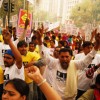
INDIA: EU Trade Deal May Curb Affordable Drug Supply
As India prepares to seal a sweeping trade and investment deal with the European Union (EU) in April, civil society groups are campaigning to limit the agreement's repercussions within the local generic drug industry here upon which millions of people around the globe depend.
ZIMBABWE: Fighting Past Fear to Treat TB
In the dusty streets of Bulawayo’s densely populated townships, Susan Nkiwane is making house calls today. She is one of a group of twelve women who form a fragile web of support for TB sufferers in her community.Peak Water Has Already Come and Gone
Canadian Kevin Freedman is celebrating World Water Day Tuesday by living on 25 litres of water a day, instead of the North American average of 330 litres per day. And he has enlisted 31 others in his "Water Conservation Challenge" to go water- lean, using just 25 litres per day for cooking, drinking, cleaning, and sanitation for the entire month of March.HEALTH: Scare Haunts HIV/AIDS Patients in Ukraine
Fears are growing among HIV/AIDS sufferers in the Ukraine amid claims from some patients that they have been denied life-saving medicines by authorities as a crackdown is launched on drug substitution therapy.SRI LANKA: Parliamentarian Breaks Silence on Domestic Violence
She became famous playing the role of ‘Pabha’, a poor young girl in love with a rich man in a long running hit television series here. But these days, Upeksha Suwarnamali is better known for her real-life role: A victim of domestic violence turned champion of abused women.DOMINICAN REPUBLIC: Managing Mental Illness on a Few Pesos a Month
Cristina, 41, was able to support the last two of her five children despite the fact that she could neither read nor write. Raised by a step-grandfather, she started working as a house cleaner when she was 14 and had the misfortune to have children by two alcoholic and abusive men.
Integrating HIV Care with Broader Maternal and Child Health
From the outside, little has changed at the Maternal and Child Healthcare Clinic: pregnant women and breastfeeding mothers wait patiently on wooden benches. A chorus of infant call-and-response betrays the less long-suffering approach of their children to the wait.
A Moment of Silence for Dying Millions on World Water Day
When the international community commemorates World Water Day next week, perhaps it should ponder the words of U.N. Secretary-General Ban Ki-moon, who once remarked he does not expect people the world over to stop what they are doing and observe a moment of silence, come Mar. 22.CHINA: Sympathy for Japan Drowns Out Historic Hate
Despite deep historic tensions between the two Asian powers, a surge of sympathy has emerged among Chinese toward victims of last week’s earthquake and resulting tsunami in northern Japan, which has left an estimated 10,000 dead or missing.
Investment in African Economies Shifting Away from Raw Materials
Local and foreign investment on the African continent is slowly moving away from agriculture and raw materials to manufacturing, services, communication and tourism, despite poor infrastructure and low skills levels.Japan Nuke Disaster Could Be Worse Than Chernobyl
A global nuclear disaster potentially worse than Chernobyl may be under way in Japan as hundreds of tonnes of highly radioactive spent nuclear fuel are open to the sky, and may be on fire and emitting radioactive particles into the atmosphere.
TAIWAN: Public Demands Safety Review of New Reactor
The unfolding disaster at Japan’s Fukushima Daiichi Nuclear Power Plant has reignited debate over Taiwan’s own nuclear power programme and the controversy over continuing construction of a fourth nuclear facility here.ARGENTINA: The Long Adios to Psychiatric Hospitals
Argentina has begun the process of closing down psychiatric hospitals and integrating mentally ill people into the community, like its South American neighbours Brazil and Chile.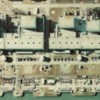
JAPAN: Food and Gasoline Shortages Plague Nuclear Exclusion Zone
For the past three days Hiroko Oogusa, 62 - following orders from the local authorities - has remained in her tightly shuttered home located 40 kilometres from the badly damaged Daiichi nuclear power plant in Fukushima.Japan’s Nuclear Nightmare Triggers Fears in France
Until the nuclear crisis started unfolding in Japan last week, most French citizens did not doubt that the country's 58 nuclear reactors were safe enough to continue operating for scores of years to come.
AFRICA: ‘We Cannot Leave Lives of Nationals to Development Partners’
As donors retreat from funding HIV prevention and treatment, the vulnerability of national programmes reliant on external funding has become apparent. Without long-term sustainability, the lives of millions could be at risk.INDIA: Green Schemes Turn Into White Elephants
Several incinerator facilities that were supposed to turn waste into energy have proven to be white elephants that are now adding to the country’s pollution woes, instead of alleviating them.Japan Races to Cool Stricken Reactors
Workers battling to contain the crisis at Japan's quake- stricken Fukushima nuclear plant were briefly moved to a bunker because of a rise in radiation levels, local media have reported.
Aid Agencies Rush to Japan’s Humanitarian Front
Day five of Japan's post-earthquake, post-tsunami life dawned dismally Tuesday, with soaring radiation levels from the Fukushima Daiichi power plants and a relentlessly rising death toll in the four worst-affected prefectures.
PAKISTAN: Unsung Heroines Bring Healthcare to Villages
At eight in the morning 30-year-old Sultana Solangi steps out of her house ready for her day’s work. Wearing a black gown that shows only her eyes, she is shod in comfortable slippers and lugs a large black bag.« Previous Page — Next Page »


 Bangladesh: Sarid, born one month early, receives specialized newborn care and grows stronger every day. Credit: UNICEF/UNI944397/Mojumder
Since the onset of the 2000s, global life expectancy has seen an overall rise, attributed to significant technological and scientific innovations in healthcare. Due to an increased understanding of different conditions as well as a rise in cooperation among healthcare experts around the world, there have been major strides made in ensuring that as few people die from chronic illnesses as possible. Despite the belief that healthcare is a fundamental human right, people from low- or middle-class backgrounds, marginalized groups, and underdeveloped countries have far more limited access to basic healthcare services.
The COVID-19 pandemic showed how marginalized communities are disproportionately affected by health crises, proving that we have much work to do in ensuring that no one dies of terminal conditions. While the global response to the coronavirus saw significant strides in immunization and vaccine development, the global outbreak of mpox in 2022 and its upsurge in parts of Africa in 2024 must remind us to remain vigilant.
Other major disease outbreaks in recent years have been linked to the destruction of infrastructure during warfare. Notably, in 2024, the Gaza Strip witnessed a return of the poliovirus since its eradication in the region 25 years ago. Israel’s blockade on Gaza has resulted in the collapse of the region’s sewage plants and desalination plants, and also destroyed healthcare capacities. The UN stated that this lack of clean water and sanitation would lead to an outbreak of cholera and other deadly infectious diseases. The 2026 OCHA Humanitarian Situation Report confirmed that the over two years of conflict in Gaza has produced a catastrophic health emergency, with millions remaining dependent on relief aid amid tight restrictions and no functioning public health system.
IPS is committed to providing full and comprehensive coverage on healthcare challenges around the world. IPS seeks to address the multifaceted causes of such challenges, including unprecedented pandemics, conflict-driven disease outbreaks, as well as socioeconomic barriers to equal healthcare access. IPS is also dedicated to reporting on innovations in the healthcare industry.

The Week with IPS

NEXT STOP - SDGs
Tracking global progress towards a sustainable world
Tracking global progress towards a sustainable world
