Languages
Thursday, November 19, 2026



News and Views from the Global South
Health
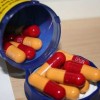
WORLD HEALTH DAY: The Ten-Year Timeline for Antibiotics Burnout
Though the World Health Organisation (WHO) has focused this year's World Health Day Apr. 7 on prioritising the struggle against the global spread of antimicrobial resistance (AMR), scores of international researchers and scientists fear this decision is coming too late, with 2011 already shadowed by the failure of pharmaceutical antibiotics to curb the proliferation of diseases.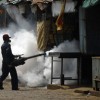
SRI LANKA: Finally Dengue Takes a Beating
Dengue infections and deaths here have declined significantly this year.AFGHANISTAN:: New Therapy Battles Soaring Drug Addiction
A pioneering drug substitution programme in conflict-wracked Afghanistan has been hailed as a resounding success as local doctors and international health organisations battle soaring heroin addiction rates and an HIV/AIDS epidemic.LATIN AMERICA: Tracking Down Radioactive Food Imports
Rather belatedly, Latin America is beginning to test products imported from Japan to check that they are not contaminated with radioactivity from the Fukushima nuclear power station that was severely damaged by the Mar. 11 earthquake and tsunami.‘No Safe Levels’ of Radiation in Japan
In a nuclear crisis that is becoming increasingly serious, Japan’s Nuclear Safety Agency confirmed that radioactive iodine-131 in seawater samples taken near the crippled Fukushima Daiichi nuclear power complex that was seriously damaged by the recent tsunami off the coast of Japan is 4,385 times the level permitted by law.
SOUTH AFRICA: The Invisible People
Since psychiatric care was decentralised last year in South Africa, patients have been moved from hospitals into community day hospitals that don't have the appropriate resources to deal with mental illnesses. As a result, many of society's most vulnerable have slipped through the cracks in the system and now walk the streets like invisible people.
Sierra Leone Facing Facts of Teenage Pregnancy
On Apr. 5, the United Nations Children's Fund will launch a report on teenage pregnancy in Sierra Leone. Teenage pregnancies account for 40 percent of maternal deaths in the country, and the report comes as public health authorities recalibrate strategy to address a problem that endangers both mothers and children.In Cambodia, Women Fear Death at Childbirth
Death haunts women in this Cambodian village at a moment of happiness - when they give birth.A Fatal Addiction to Plastic
"Be fantastic, don't use plastic!" chanted a troop of 10-year- olds from President Thomas Jefferson Elementary School in Honolulu at the conclusion of an international conference on the millions of tonnes of trash that enter the oceans every year, with serious consequences for marine life and habitats as well as to human health and the global economy.“Bold Decisions” Needed in AIDS Struggle
A new report by U.N. Secretary-General Ban Ki-moon released Thursday found progress in combating HIV/AIDS worldwide to be promising, yet inadequate to meet the needs of the 33.3 million people estimated to be living with HIV in 2009.
Combating Poverty With ‘Poor Economics’
French economist Esther Duflo thinks poverty can be alleviated or even eradicated with the right policies. All it takes is for politicians to "translate research into action," implementing programmes that have been shown to work.JAPAN: Disaster Highlights Economic Vulnerability
As authorities struggle to control dangerous radioactive material spilling from the quake ravaged Fukushima nuclear power reactors, a more difficult question has begun to unsettle Japan: is the country’s post-war prosperity as invincible as was believed till now?MALAWI: Putting Knowledge Into Practice in Childbirth
Post-partum haemorrhage is the leading cause of maternal mortality worldwide, according to the World Health Organisation. A decade of applying research to midwifery practice in one Malawi district demonstrates that PPH is quite easy to prevent.INDIA: Fukushima Revives Debate Over Nuclear Liability
The Fukushima disaster has prompted calls to review legislation passed by the Indian parliament in August 2010 that capped compensation payable, in the event of a nuclear accident, at 320 million U.S. dollars.MEXICO: Villagers Complain of Health Risks from Nuclear Plant
Brenda Mancilla, a 23-year-old Mexican woman, has suffered from tuberous sclerosis, a genetic disorder that causes the growth of benign tumours in body organs, since she was five months old.SOUTH AFRICA: Who Says Research Can’t Be Dramatic?
In the early 1990s, a group of researchers set off for a small rural village in the eastern part of South Africa. Their intention was simple: teach the community how to rehydrate sick babies.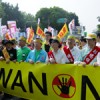
TAIWAN: Opposition Urges Nuclear Phase-out By 2025
Opposition Democratic Progressive Party (DPP) Chairwoman and former Vice Premier Tsai Ing-wen have announced a proposal for a "2025 Non-Nuclear Home Plan" that would allow Taiwan to eliminate reliance on nuclear power by the end of 2025.
PAKISTAN: And Then There Was Light
Hasan Ibrahim’s tea stall is the busiest place in the sleepy, sand-dune covered village of Sholani, proof of the economic and social change the arrival of electricity has ushered in.Women in Garment Factories Help Cambodia Out of Poverty
Cambodia’s rise out of poverty continues to depend on the nimble fingers of young women like Khiev Chren.
Plastic Circulating Endlessly in World’s Oceans
That plastic bottle or plastic take-away coffee lid that has 20 minutes of use can spend decades killing countless seabirds, marine animals and fish, experts reported here this week.U.S.: Poll Finds Support for Freeze on Nuke Plants
The United States government has been accused of failing to read growing public concern about the future of the country's atomic energy programme, as the crisis at Japan's stricken Fukushima nuclear plant continues to unfold.« Previous Page — Next Page »


 Bangladesh: Sarid, born one month early, receives specialized newborn care and grows stronger every day. Credit: UNICEF/UNI944397/Mojumder
Since the onset of the 2000s, global life expectancy has seen an overall rise, attributed to significant technological and scientific innovations in healthcare. Due to an increased understanding of different conditions as well as a rise in cooperation among healthcare experts around the world, there have been major strides made in ensuring that as few people die from chronic illnesses as possible. Despite the belief that healthcare is a fundamental human right, people from low- or middle-class backgrounds, marginalized groups, and underdeveloped countries have far more limited access to basic healthcare services.
The COVID-19 pandemic showed how marginalized communities are disproportionately affected by health crises, proving that we have much work to do in ensuring that no one dies of terminal conditions. While the global response to the coronavirus saw significant strides in immunization and vaccine development, the global outbreak of mpox in 2022 and its upsurge in parts of Africa in 2024 must remind us to remain vigilant.
Other major disease outbreaks in recent years have been linked to the destruction of infrastructure during warfare. Notably, in 2024, the Gaza Strip witnessed a return of the poliovirus since its eradication in the region 25 years ago. Israel’s blockade on Gaza has resulted in the collapse of the region’s sewage plants and desalination plants, and also destroyed healthcare capacities. The UN stated that this lack of clean water and sanitation would lead to an outbreak of cholera and other deadly infectious diseases. The 2026 OCHA Humanitarian Situation Report confirmed that the over two years of conflict in Gaza has produced a catastrophic health emergency, with millions remaining dependent on relief aid amid tight restrictions and no functioning public health system.
IPS is committed to providing full and comprehensive coverage on healthcare challenges around the world. IPS seeks to address the multifaceted causes of such challenges, including unprecedented pandemics, conflict-driven disease outbreaks, as well as socioeconomic barriers to equal healthcare access. IPS is also dedicated to reporting on innovations in the healthcare industry.

The Week with IPS

NEXT STOP - SDGs
Tracking global progress towards a sustainable world
Tracking global progress towards a sustainable world
