Languages
Thursday, November 19, 2026



News and Views from the Global South
Health
China Registers Rapid Growth – In Anxiety
Long considered a sign of weakness or a bourgeois indulgence, psychiatry is slowly entering the mainstream here, with a growing number of Chinese willing to talk through their problems with a therapist.India Resists Ban on Deadly Pesticide
Will India, the world’s biggest manufacturer of the pesticide endosulfan, and also the biggest victim of the toxic pesticide, persist with opposing its ban globally?OP-ED: A Developing Health Crisis Across the Gulf Coast
Days after the BP oil disaster began, on Apr. 20, 2010, BP and the U.S. administration pledged that Gulf Coast communities would be made whole. One year later that promise remains unfulfilled: across the Gulf there is a developing health crisis as a result of the oil spill.
LATIN AMERICA: Lack of Prevention, Timely Treatment Make Women Vulnerable to Cancer
In many cases, cancer is preventable, treatable and curable if detected on time. But the fate of millions of women with the disease varies enormously, depending on where they live.MEXICO: Recurring Risks from Radioactive Materials
Mexico needs to take urgent steps to tighten oversight of the storage, handling and disposal of radioactive materials that can threaten the lives and health of its population, experts warn.
U.S.: BP Handling of Claims Slammed by Gulf Residents
Attorney Kenneth Feinberg, paid by BP to administer the firm's 20-billion-dollar compensation fund, has become the focal point of anger for Gulf residents who are angry, frustrated and desperate for help following last year's massive oil disaster.JAPAN: Quake’s Aftermath Weighs Heavily on Women
Since the horrific Mar. 11 earthquake and tsunami that devastated her coastal town of Minato, in Ishinomaki city, Masami Endo’s three-year-old daughter has been crying and clinging to her every night.
Stress and Anger over BP Oil Disaster Could Linger for Decades
As the one-year anniversary of the record-breaking BP oil spill in the Gulf of Mexico approaches, mental health experts and social scientists warn of decades of impact on Gulf residents.
A Table for Nine Billion
As the World Bank and International Monetary Fund convene for their annual Spring Meetings here, soaring food prices are high on the agenda, prompting some analysts to fast-forward to 2050 and the question of how to nourish the mid-century's estimated world population of 8.9 billion people – the majority of whom will live in developing countries.
PHILIPPINES: Religious Groups Weigh In on Reproductive Health Debate
In a country where an estimated 4,500 women die every year due to complications during childbirth, the enactment of a reproductive health (RH) policy is said to be a measure that could save lives.Vast Majority of Stillbirths Found in Developing Countries
According to a special series in the medical journal The Lancet presented in New York Wednesday at the U.N. children's agency UNICEF, over 2.6 million stillbirths occur worldwide annually, affecting mostly African and Asian women who lack proper access to health care and facilities.
PHILIPPINES: Pulling Children Out of the Tunnel of Hard Labour
At the tender age of 10, Rodel Morozco was working in a goldmine and crawling inside tunnels, until one day he fell 200 feet underground because his father had blasted the tunnel with dynamite.Diminishing Potential of the Old Medical Paradigm
While the curtain was being raised Tuesday on a U.S. Department of Health and Human Services (HHS) initiative to pour one billion dollars of federal funding into the Partnerships for Patients Act – a new project designed to save thousands of lives and millions of dollars – the Journal of the American Medical Association (JAMA) held a media briefing here simultaneously presenting studies from their theme issue on 'Infectious Diseases and Immunology'.U.N. Decries Stagnant Funding For Population Goals
As the international community readies to cope with a rising world population of some seven billion people by the middle of this year, U.N. Secretary-General Ban Ki-moon warns that financial assistance for population-related activities has made no visible gains since 2008.
JAPAN: Difficult Shift From Aid Donor to Recipient
April has traditionally been the time for ‘hanami’, or cherry blossom festivals, when millions of Japanese hold parties under the pink flowering trees in parks and streets lit up gaily by lanterns.Smart Planning for the Global Family
When it comes to population growth, the United Nations has three primary projections. The medium projection, the one most commonly used, has world population reaching 9.2 billion by 2050. The high one reaches 10.5 billion. The low projection, which assumes that the world will quickly move below replacement-level fertility, has population peaking at eight billion in 2042 and then declining.Bahrain’s Hospital of Ghosts
Salmaniya Medical Complex, once one of the most renowned medical facilities in the Gulf and a jewel in the crown of Bahrain's public healthcare system, has been transformed into a virtual ghost town.
HEALTH-COLOMBIA: Controversy Still Surrounds Malaria Vaccine Pioneer
The announcement of progress towards making synthetic vaccines against 517 infectious diseases, and the award of an international prize for his work have stirred up lively controversy around Colombian pathologist Manuel Elkin Patarroyo, a malaria vaccine pioneer.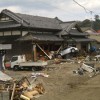
EXCLUSIVE: Report from Fukushima
 My decision to visit Fukushima - the area worst hit by the massive quake, tsunami and nuclear power accident on Mar. 11 - was taken one afternoon last week after a long meeting with scientists.

WORLD HEALTH DAY-BRAZIL: First Map of Clusters of Antibiotic Resistance
Scientists in Brazil have created the first map of clusters of antibiotic resistance in Brazil, linking the phenomenon to abuse of the drug and opening doors to guide public policies for antibiotic prescription and sales.
Twin Boost for TB Treatment in Swaziland
The fight against tuberculosis in Swaziland will be reinforced on two fronts this month. A new tool for the quick and accurate diagnosis of TB will begin its roll out and a monthly stipend for treatment supporters will help ensure patients get through the lengthy and unpleasant course of TB drugs.« Previous Page — Next Page »


 Bangladesh: Sarid, born one month early, receives specialized newborn care and grows stronger every day. Credit: UNICEF/UNI944397/Mojumder
Since the onset of the 2000s, global life expectancy has seen an overall rise, attributed to significant technological and scientific innovations in healthcare. Due to an increased understanding of different conditions as well as a rise in cooperation among healthcare experts around the world, there have been major strides made in ensuring that as few people die from chronic illnesses as possible. Despite the belief that healthcare is a fundamental human right, people from low- or middle-class backgrounds, marginalized groups, and underdeveloped countries have far more limited access to basic healthcare services.
The COVID-19 pandemic showed how marginalized communities are disproportionately affected by health crises, proving that we have much work to do in ensuring that no one dies of terminal conditions. While the global response to the coronavirus saw significant strides in immunization and vaccine development, the global outbreak of mpox in 2022 and its upsurge in parts of Africa in 2024 must remind us to remain vigilant.
Other major disease outbreaks in recent years have been linked to the destruction of infrastructure during warfare. Notably, in 2024, the Gaza Strip witnessed a return of the poliovirus since its eradication in the region 25 years ago. Israel’s blockade on Gaza has resulted in the collapse of the region’s sewage plants and desalination plants, and also destroyed healthcare capacities. The UN stated that this lack of clean water and sanitation would lead to an outbreak of cholera and other deadly infectious diseases. The 2026 OCHA Humanitarian Situation Report confirmed that the over two years of conflict in Gaza has produced a catastrophic health emergency, with millions remaining dependent on relief aid amid tight restrictions and no functioning public health system.
IPS is committed to providing full and comprehensive coverage on healthcare challenges around the world. IPS seeks to address the multifaceted causes of such challenges, including unprecedented pandemics, conflict-driven disease outbreaks, as well as socioeconomic barriers to equal healthcare access. IPS is also dedicated to reporting on innovations in the healthcare industry.

The Week with IPS

NEXT STOP - SDGs
Tracking global progress towards a sustainable world
Tracking global progress towards a sustainable world
