Languages
Thursday, November 19, 2026



News and Views from the Global South
Health
CHILE: Flood of Criticism for “Retrograde” AIDS Campaign
"It’s much more fun to die of old age than to die of AIDS. And if you die with your lifelong partner, so much the better. Avoid AIDS: be faithful" is one of the controversial TV spots in this year’s edition of the annual anti-AIDS campaign by Chile’s Health Ministry.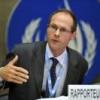
Q&A: Revitalising Agriculture Starts in a Small Field
In countries around the world, small farmers are trapped in a vicious circle - hard-pressed governments don't invest enough money in local agriculture, and local producers find themselves driven off their lands and into urban slums, where they sink even deeper into poverty.WEST AFRICA: New Vaccine For Mass Campaign Against Meningitis
More than 20 million people will be vaccinated between now and the end of the year in Burkina Faso, Mali and Niger as a mass vaccination campaign using a new conjugate vaccine unfolds across West Africa. Manufactured in India, MenAfriVac offers health authorities a powerful weapon against a deadly disease.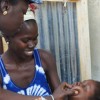
DR CONGO: Lack of Funds Reverses Vaccination Gains
Health officials' fears that insecurity and a lack of resources could lead to fresh outbreaks of preventable diseases are being proved painfully accurate in the Democratic Republic of Congo. Polio - thought to have been eradicated in DRC five years ago - has made a frightening reappearance in Central Africa.SENEGAL: Funding Could Weaken Campaign Against Maternal Mortality
Senegal's efforts to improve maternal health and reduce child mortality are hampered by a lack of health centres and poor care in those that do exist. But the government faces a major financial hurdle in financing the Bajenu Gox initiative - a community health programme intended to address this.AFGHANISTAN: For HIV Care, Cross Over to Pakistan
After testing positive for HIV, which caused him to be deported from the United Arab Emirates, Nazarullah probably found little reason to feel fortunate.SENEGAL: Maternal Care Not Up to the Mark
The Gaspard Kamara maternity centre in Dakar was not especially full on Nov. 25, but the medical staff seemed overwhelmed. Midwives, nurses and gynecologists rushed in all directions dealing with women in difficult labour.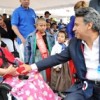
ECUADOR: Cuban, Venezuelan Volunteers Complete National Disabilities Mission
Approximately 300 Cuban and 30 Venezuelan volunteer "brigadistas" have departed Ecuador, marking the end of the first phase of the "Manuela Espejo Mission," conducting a complete study of disabilities in this country over the past year and a half.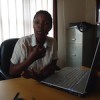
UGANDA: ‘Why Waste ARVs on Sex Workers?’
Sex workers, among the populations most at risk of HIV infection in Uganda, say they are yet to realise their right to health.
CUBA: Drag Queens and Volunteers Promote Safe Sex
Margot Parapar gets plenty of laughs from the audience with this joke: "Now the human body is divided into five parts: head, trunk, upper and lower limbs, and condom." Using his female stage name, Cuban drag queen, comedian and health promoter Oliver Alarcón includes HIV/AIDS prevention messages in his shows.
SRI LANKA: Doctors Put Life During Conflict Under Microscope
During the last phase of Sri Lanka’s civil war in 2008, information on the intensified fighting had slowed to a trickle. But in their November 2010 submissions to a government commission looking into the final days of the conflict, a group of doctors who served in the war zone have shed light on living conditions that were "not fit for even animals".
AFRICA: Threat of a Perfect Storm – AIDS and a Fresh Food Crisis
In November, the Food and Agriculture Organisation was just one of many voices warning that food prices have risen to levels last seen at the start of the 2007-2008 crisis. A majority of the countries most exposed to a repeat of that problem are in Africa, where vulnerability to food security is exacerbated by AIDS.ZAMBIA: Drugs Kit Helps Mothers Protect Babies
A thousand babies are infected with HIV every day - in pregnancy, during birth and through breastfeeding. Close to 400,000 African children are infected with HIV every year.
Slowly Winning Fight Against FGM in Northern Senegal
The harm done by female genital mutilation is still enormous in Podor, a city in the north of Senegal, say officials at the local hospital. While the practice is declining slightly, some religious leaders in the region still support it.Zambia Must Fulfill Promises to Children Living With AIDS
Less than one in four Zambian children who should be on life-saving anti-retroviral drugs is receiving them. The country planned to increase the number of children on ARVs from the present 20,000 to 120,000, but inadequate facilities pose a major stumbling block.
Prenatal Care Key to Reducing Maternal Mortality
Despite successive awareness campaigns, many Malian women see no need to attend pre-natal check-ups. Health workers say this results in an elevated rate of maternal and infant mortality.
CUBA: Lesbians Demand Fair Treatment from Health Providers
Lesbian and bisexual women's groups in Cuba, which welcome anyone who wishes to participate "with solidarity and in a respectful, friendly and healthy manner," point to the need to sensitise health personnel to the issue of female sexual diversity.
/UPDATE*/: Bypass Under Way At Mozambique Smelter
Aluminium giant BHP Billiton’s Mozal smelter has begun bypassing its fume treatment centres, emitting potentially dangerous fumes into the air without treating them first - despite a pending court case on the matter.LATIN AMERICA: Violence Against Women Linked to HIV Risk
"My mother used to beat me. She would lock me away, and then she started chaining me to the table," says Elizabeth. Teresa recounts how she was seven months pregnant when her husband grabbed her by the hair, threw her to the ground and kicked her.U.S.: Going Hungry in the Richest Nation on Earth
While many U.S. residents prepare for their annual Thanksgiving feast Thursday, one in six are at risk of hunger – including a quarter of all children in the country.MALAWI: Traditional Birthing House Rises From the Rubble
Cecilia Tomoka's birthing centre stood unused for three years before the 2009 earthquake flattened it. Now she's rebuilding the house - and her practice - as Malawi's government lifts a ban on traditional birth attendants.« Previous Page — Next Page »


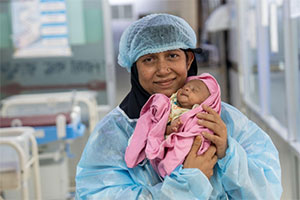 Bangladesh: Sarid, born one month early, receives specialized newborn care and grows stronger every day. Credit: UNICEF/UNI944397/Mojumder
Since the onset of the 2000s, global life expectancy has seen an overall rise, attributed to significant technological and scientific innovations in healthcare. Due to an increased understanding of different conditions as well as a rise in cooperation among healthcare experts around the world, there have been major strides made in ensuring that as few people die from chronic illnesses as possible. Despite the belief that healthcare is a fundamental human right, people from low- or middle-class backgrounds, marginalized groups, and underdeveloped countries have far more limited access to basic healthcare services.
The COVID-19 pandemic showed how marginalized communities are disproportionately affected by health crises, proving that we have much work to do in ensuring that no one dies of terminal conditions. While the global response to the coronavirus saw significant strides in immunization and vaccine development, the global outbreak of mpox in 2022 and its upsurge in parts of Africa in 2024 must remind us to remain vigilant.
Other major disease outbreaks in recent years have been linked to the destruction of infrastructure during warfare. Notably, in 2024, the Gaza Strip witnessed a return of the poliovirus since its eradication in the region 25 years ago. Israel’s blockade on Gaza has resulted in the collapse of the region’s sewage plants and desalination plants, and also destroyed healthcare capacities. The UN stated that this lack of clean water and sanitation would lead to an outbreak of cholera and other deadly infectious diseases. The 2026 OCHA Humanitarian Situation Report confirmed that the over two years of conflict in Gaza has produced a catastrophic health emergency, with millions remaining dependent on relief aid amid tight restrictions and no functioning public health system.
IPS is committed to providing full and comprehensive coverage on healthcare challenges around the world. IPS seeks to address the multifaceted causes of such challenges, including unprecedented pandemics, conflict-driven disease outbreaks, as well as socioeconomic barriers to equal healthcare access. IPS is also dedicated to reporting on innovations in the healthcare industry.

The Week with IPS

NEXT STOP - SDGs
Tracking global progress towards a sustainable world
Tracking global progress towards a sustainable world
