Languages
Friday, November 20, 2026



News and Views from the Global South
Health
BURKINA FASO: Cost Major Obstacle to Reducing Maternal Mortality
Elizabeth Kaboré says she has paid for each of her visits to the clinic, despite a government promise that prenatal check-ups in health centres would be free.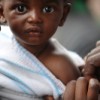
AFRICA: Malaria Vaccine To Protect the Most Vulnerable
As nearly 25 years of development of a malaria vaccine come to fruition, health authorities across Africa will need to come to grips with how to effectively introduce it.
RWANDA: Stronger Support for Children Affected by HIV
At Kigali's Kibagabaga Hospital, 30 young people aged between 12 and 18 years old wait in a crowded holding room, waiting for their turn to see the doctor in charge of prescribing antiretroviral drugs (ARVs). They are among 220,000 children affected by AIDS who are benefiting from social and medical assistance from the Rwandan government and its development partners.
HAITI: As Cholera Spreads, Heavy Rains Wreak Havoc in Camps
Standing on a raised piece of pavement across from the makeshift home where she has lived for the past 10 months, Violet Nicola threw up her hands.
SYRIA: Iraqi Kids Struggle on Dangerous Edges
Leila, 17, presses her hijab-clad head against the front door and strains to hear outside. "There's nothing," she says cautiously, turning towards her mother Rawda, the head of the household, in their quiet basement apartment. Along the brocade couch sit her two sisters, Mona, 19, Nadja, 15, and 10-year-old brother Khaled.*
Cancer Treatment Out of Reach for Ugandan Women
Josephine Adongo's heart leapt when she heard that two doctors from Kampala were offering free medical exams in Soroti. She was diagnosed with cervical cancer at a regional hospital more than a year previously, but unable to afford to travel to the capital for treatment.CARIBBEAN: Progress Stalls on HIV/AIDS
Despite the gains associated with antiretroviral treatments (ART) over the last decade, HIV/AIDS remains the leading cause of death among young and middle-aged adults in the Caribbean, warns a new U.N. report.
BANGLADESH: Dose of Vigilance Helps Manage HIV, AIDS
It is one of the poorest countries in the world, has a low literacy rate, and is next door to at least two countries that have a considerable portion of their respective populations with HIV and AIDS. Yet even having a large migrant population has not made Bangladesh a hot spot for HIV and AIDS.
HAITI: Quake Refugees Seek Moratorium on Evictions
The children standing at the tent beside the filthy pool of water put their needs simply when asked what they wish for: "À manger; l'école," they said, practically in unison. In English, "We want to eat; we want to go to school."
Broad Coalition Rallies for BP Accountability
Gulf coast fishers, conservationists, seafood distributors and oil workers rallied here at Louisiana's capital over the weekend to demand that oil giant BP be held accountable for the "ongoing" use of toxic dispersants in the Gulf of Mexico.PERU: After Toxic Mine Spill, Locals Demand Both Jobs and Cleanup
Four months after Peru's worst toxic spill of mining waste, workers at the Caudalosa mine are demanding that it be reopened, while local communities want more cleanup of the rivers they depend on for water supplies.
CAMBODIA: Access to Drugs A Life Saver for People with HIV
The monsoon rains soaked the ground beneath Mon Hol’s home until it turned to ankle-deep mud. The aged thatched-leaf roof of his hut, badly in need of replacement, provided little protection.MEXICO: No Solution in Sight for Apaxco Pollution Conflict
A waste processing company and the surrounding community are at odds over the operation of a plant that provides energy for Mexico's cement industry.
Haitian Mothers Find Care in Dominican Republic, but Future Is Bleak
In the spacious lobby of the Nuestra Señora de Altagracia maternity hospital, more than a hundred people wait quietly in chairs, overlooked by a 20-foot-high coloured mosaic inset portraying the patron saint of the Dominican Republic.Black Floridians Await Settlement on Toxic Contamination
It is safe to say that the candidates running in Florida for the Nov. 2 congressional elections do not have a campaign stop planned for Tallevast. Residents there believe that they have been abandoned by the government.U.S. Inmates Exposed to Toxic E-Waste
Past U.S. inmates and prison staff in electronic waste recycling programmes face serious health risks after officials willfully violated health, safety and environmental laws, a new report has found.
HAITI: Cholera Outbreak Highlights Clean Water Crisis
The man arrived from Arcahaie, near St. Marc in central Haiti where a cholera outbreak exploded last week, initially overwhelming the local medical grid. It was an hour's journey to a hospital in Lafiteau, near the capital, where he died on Sunday.Fake Medicines may Kill a Million a Year
Central and Eastern Europe is facing "significant challenges" in combating a multi-billion euro, and often lethal, trade in fake medicines, security and pharmaceutical groups have warned.
U.S.: Planting Oases in a Land of Burgers and Fries
Though close to a billion people remain undernourished worldwide, one in three U.S. children are overweight – a problem that First Lady Michelle Obama has made her priority over the first two years of her husband's administration.
Europe to Slow Down on Food
The Slow Food movement has won significant support from the European Union. Dacian Ciolos, the European Union Commissioner for Agriculture, spoke to IPS in support of the movement at Terra Madre, a biennial reunion of promoters of the Slow Food movement.
Cuba, Brazil Unite for Africa’s Health
The risk of meningitis outbreaks rises during the dry season -- December to June -- in some 20 countries of sub-Saharan Africa. Meningitis in the region is too often deadly, though the disease can be prevented with vaccination.« Previous Page — Next Page »


 Bangladesh: Sarid, born one month early, receives specialized newborn care and grows stronger every day. Credit: UNICEF/UNI944397/Mojumder
Since the onset of the 2000s, global life expectancy has seen an overall rise, attributed to significant technological and scientific innovations in healthcare. Due to an increased understanding of different conditions as well as a rise in cooperation among healthcare experts around the world, there have been major strides made in ensuring that as few people die from chronic illnesses as possible. Despite the belief that healthcare is a fundamental human right, people from low- or middle-class backgrounds, marginalized groups, and underdeveloped countries have far more limited access to basic healthcare services.
The COVID-19 pandemic showed how marginalized communities are disproportionately affected by health crises, proving that we have much work to do in ensuring that no one dies of terminal conditions. While the global response to the coronavirus saw significant strides in immunization and vaccine development, the global outbreak of mpox in 2022 and its upsurge in parts of Africa in 2024 must remind us to remain vigilant.
Other major disease outbreaks in recent years have been linked to the destruction of infrastructure during warfare. Notably, in 2024, the Gaza Strip witnessed a return of the poliovirus since its eradication in the region 25 years ago. Israel’s blockade on Gaza has resulted in the collapse of the region’s sewage plants and desalination plants, and also destroyed healthcare capacities. The UN stated that this lack of clean water and sanitation would lead to an outbreak of cholera and other deadly infectious diseases. The 2026 OCHA Humanitarian Situation Report confirmed that the over two years of conflict in Gaza has produced a catastrophic health emergency, with millions remaining dependent on relief aid amid tight restrictions and no functioning public health system.
IPS is committed to providing full and comprehensive coverage on healthcare challenges around the world. IPS seeks to address the multifaceted causes of such challenges, including unprecedented pandemics, conflict-driven disease outbreaks, as well as socioeconomic barriers to equal healthcare access. IPS is also dedicated to reporting on innovations in the healthcare industry.

The Week with IPS

NEXT STOP - SDGs
Tracking global progress towards a sustainable world
Tracking global progress towards a sustainable world
