Languages
Friday, November 20, 2026



News and Views from the Global South
Health
ZIMBABWE: Failing to Address Schoolgirl Pregnancies
Concern over reports of growing numbers of pupils dropping out of school due to pregnancy has rekindled debate over the link between intergenerational sex and HIV infection among Zimbabwe's youth.Cholera Cases Emerge in Haiti’s Capital
Days after an outbreak of cholera began in Haiti's rural Artibonite region, killing at least 200 people, there are now five confirmed cases of cholera in the busy capital city.
HAITI: Health Workers Scramble to Keep Cholera out of Crowded Camps
Some 1.3 million people have lived in makeshift camps throughout Port-au-Prince since the January earthquake devastated the city. Living conditions are "appalling", according a recent report by Refugees International.Cuban Treatment for Diabetic Foot Ulcers Heads for Europe
Cuba's biotechnology industry is hoping to conquer the European Union market with Heberprot-P, a therapeutic drug used to prevent foot amputations in patients with diabetes.CHILE: Women Sterilised Over HIV Status
When Francisca arrived at the historic Curicó Hospital – a staple in the Chilean central valley for nearly one and a half centuries – for the birth of her first child, she didn't know it would be her only one.HEALTH: Thai Touch in HIV Care Attracts Doctors from Asia, Africa
Northern Thailand’s Chiang Rai province has many charms to draw foreign visitors, from hilltribe communities dressed in colourful ethnic clothes, trips to gentle hills close to the Burmese and Lao borders, excursions to once infamous opium trails and a journey along the Mekong River.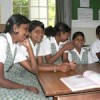
MAURITIUS: Social Ills Prevail Despite Meeting MDGs
The small island state of Mauritius is the only African country likely to meet all eight of the United Nations’ Millennium Development Goals (MDGs) by 2015 - at least on paper. But its citizens say government could do more to improve livelihoods, gender equality and environmental sustainability.
Chinese Art Appears With Health Warning
China's rebel artist Ai Weiwei had intended a political message. And may be a truly memorable metaphor for the state of modern China and humanity as a whole. But the final outcome of his multimedia installation at the London's Tate Modern may have been rather unexpected, for what he got was a striking symbol of the 'Made in China' effect on the world.
KENYA: More Men Preventing HIV Transmission to their Unborn Children
Pastor Joseph Muhembeli and his wife, Beatrice, queue at the Vihiga health centre with their six-month-old daughter for their prevention of mother-to-child treatment (PMTCT). But before long, as per the clinic’s policy, the couple are whisked to the front of the line – all because Muhembeli has accompanied his wife for the treatment.
ZIMBABWE: Debt Crowds Out Essential Spending on Health
Zimbabwe’s debt burden of about 8.3 billion dollars, owed to internal and external institutions, is crowding out essential national budget items such as health and basic services, with detrimental effects for particularly women.Okavango’s Resurgent Floods Test Disaster Management
Despite early warnings about higher-than-usual flooding of the Okavango Delta in 2010, homes, fields, latrines and boreholes in the delta were flooded.
SIERRA LEONE: Unfulfilled Promise of Free Maternal Health Care for Mothers
Marie Musa, 37, is devastated. After the mother of four gave premature birth, her baby boy died a few hours later – because the hospital did not have enough incubators to rescue the infant.Nourishing a Budding Sustainable Agriculture Movement
With a record number of people undernourished last year – and that number only down about 10 percent this year – this year's World Food Day, to take place Saturday, carries with it a new sense of urgency. But in the conferences and events being held to commemorate the day, there will also likely be a sense of hope and opportunity.
PERU: Women Sterilised Against Their Will Seek Justice, Again
Poor, rural, Quechua-speaking women in the Peruvian province of Anta who were victims of a forced sterilisation programme between 1996 and 2000 have filed a new lawsuit in their continuing struggle for justice.U.S.: It’s Easy to Deport the Mentally Ill
A U.S. citizen of Puerto Rican descent with mental disabilities is suing the U.S. government for wrongfully deporting him to Mexico and forcing him to endure over four months of living on the streets and in the shelters and prisons of Mexico, Honduras, Nicaragua and Guatemala.HEALTH-HONDURAS: Solidarity in Breast Cancer Survival
All too aware of the Honduran public health system's shortcomings and the great vulnerability of the country's poorest people, women who have beaten breast cancer are stepping up to share their experiences and knowledge in an effort to save more lives.AFRICA: Hunger Intensifying But Cash Transfers Improving Lives
Chronic hunger is intensifying in Africa, despite the world’s commitment to address this Millennium Development Goal and reduce world hunger by half by 2015.
MIDEAST: But the Coffins Do Come In
Samir Tahseen Al-Nadeem died after waiting 35 days for an exit permit for treatment for his heart condition. He was 26. The medicines he needed could not get in. But the coffins do.CUBA: Ten Years Fighting HIV/AIDS and Reaching Out to Gays
Raúl Regueiro remembers every detail about the creation, 10 years ago in Cuba, of the project for the prevention of HIV/AIDS among men who have sex with men, and the way the initiative crossed the boundaries of purely health-related concerns to address the question of social inclusion.Guatemala to Investigate Human Experimentation by U.S. Doctors
A high-level commission has been set up to look into appalling medical experiments carried out by U.S. researchers on hundreds of Guatemalans in the 1940s, and the government of this Central American country is debating alternative ways for the United States to make reparations.DEVELOPMENT: Welfare of Poverty-Stricken Families Depends on New Policy
For HIV-positive Tereza Chatsilizika, the monthly cash grant of 10 dollars she receives means that she can educate her disabled daughters and put food on the table.« Previous Page — Next Page »


 Bangladesh: Sarid, born one month early, receives specialized newborn care and grows stronger every day. Credit: UNICEF/UNI944397/Mojumder
Since the onset of the 2000s, global life expectancy has seen an overall rise, attributed to significant technological and scientific innovations in healthcare. Due to an increased understanding of different conditions as well as a rise in cooperation among healthcare experts around the world, there have been major strides made in ensuring that as few people die from chronic illnesses as possible. Despite the belief that healthcare is a fundamental human right, people from low- or middle-class backgrounds, marginalized groups, and underdeveloped countries have far more limited access to basic healthcare services.
The COVID-19 pandemic showed how marginalized communities are disproportionately affected by health crises, proving that we have much work to do in ensuring that no one dies of terminal conditions. While the global response to the coronavirus saw significant strides in immunization and vaccine development, the global outbreak of mpox in 2022 and its upsurge in parts of Africa in 2024 must remind us to remain vigilant.
Other major disease outbreaks in recent years have been linked to the destruction of infrastructure during warfare. Notably, in 2024, the Gaza Strip witnessed a return of the poliovirus since its eradication in the region 25 years ago. Israel’s blockade on Gaza has resulted in the collapse of the region’s sewage plants and desalination plants, and also destroyed healthcare capacities. The UN stated that this lack of clean water and sanitation would lead to an outbreak of cholera and other deadly infectious diseases. The 2026 OCHA Humanitarian Situation Report confirmed that the over two years of conflict in Gaza has produced a catastrophic health emergency, with millions remaining dependent on relief aid amid tight restrictions and no functioning public health system.
IPS is committed to providing full and comprehensive coverage on healthcare challenges around the world. IPS seeks to address the multifaceted causes of such challenges, including unprecedented pandemics, conflict-driven disease outbreaks, as well as socioeconomic barriers to equal healthcare access. IPS is also dedicated to reporting on innovations in the healthcare industry.

The Week with IPS

NEXT STOP - SDGs
Tracking global progress towards a sustainable world
Tracking global progress towards a sustainable world
