Languages
Friday, November 20, 2026



News and Views from the Global South
Health
Malnourished Children Swell Ranks of World’s Hungry
With the number of hungry people growing to more than a billion last year, the world is "nowhere near" reaching the objectives outlined in the Millennium Development Goals (MDGs), according to the latest Global Hunger Index (GHI) released Monday.ZIMBABWE: Free Maternal and Child Care Needed From Government
Mother-to-be Agnes Ncube budgets up to 100 dollars each month from her informal roadside business just so she can pay for the maternal services at her local government clinic.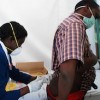
Hope for Expanded Protection Against TB
Despite the availability of a vaccine, 1.3 million people worldwide died from tuberculosis (TB) in 2008, according to the World Health Organisation. Most of them lived in Africa and Southeast Asia.Water, Sanitation Gain Traction as Basic Human Rights
When the 47-member Human Rights Council (HRC) affirmed last week that the right to water and sanitation was a basic human right, the consensus resolution was described as a "historic first" for the U.N.’s premier human rights body based in Geneva.
ARGENTINA: Preterm Infants at Centre of Innovative Campaign
"My name is Maximiliano Muñoz. I'm 23 and I'm studying engineering," says the young man smiling into the camera. The television spot is part of an awareness-raising campaign in Argentina on the rights of people born prematurely.
Deaf Ecuadoreans Stand Up for Identity, Rights
Ximena Carrera discovered a new world at the university. After years of experts who had ruled out the use of hearing aids, she finally tried them -- and her life completely changed. That is what she now hopes will happen for many more hearing-impaired Ecuadoreans.Funding Falls Short for Global Fight Against AIDS
The 11.7 billion dollars pledged Tuesday to replenish the Global Fund to Fight HIV/AIDS, Tuberculosis and Malaria for the coming three years falls significantly short of the 20 billion dollars hoped for, threatening to undo the progress made in the fight against these diseases - the three largest infectious killers in the world.Free Trade Threatens Affordable HIV Treatment
With India's role as 'pharmacy to the developing world' seriously threatened by a free trade agreement to be signed with the European Union in December, the fate of cheap or free antiretroviral treatment for people living with HIV and AIDS hangs in balance.Engineering a Water Crisis in Rivers
Failure to protect and invest in nature has left the world’s rivers in crisis, threatening the water supply of more than five billion people according to a new study. Pollution, dam building, agricultural runoff, conversion of wetlands, and water-works engineering have severely impacting global river systems, the first- ever health assessment of the planet’s riverine ecosystems reported in Nature last week.
PHILIPPINES: Over Decades, Child Poverty Hasn’t Changed Much
His bones pushing against his skin, Lean Ray Francisco has been feeding on rice coffee, or coffee made from roasted rice, and rice water - left over from boiling rice - for most of his three years.DEVELOPMENT: Fate of Millions Hangs on Global Fund Pledges
Sibongile Mavimbela has been living with HIV for the past 12 years; she has been on antiretrovirals for the past seven. But the mother of two fears the supply of free ARVs could dry up in the near future if contributions to the Global Fund on HIV/AIDS, TB and Malaria fall short of the $20 billion needed to meet development targets.Washington Debates PEPFAR Funding Ahead of Global Fund Meet
Global health advocates are strongly urging the Barack Obama administration to remain financially supportive of the fight against HIV/AIDS, amidst fears that economic prudence from the U.S. will reverse encouraging gains.SOUTH-EAST ASIA: Malaria Control Drive Reaches Out to Migrant Workers
As efforts to control malaria intensify in the region, the significance of a busy health clinic in Mae Sot, a Thai town close to the Burmese border, stands out even more.GE Salmon an Ambiguous Milestone for Aquaculture
The march toward domesticating the last wild food source may be about to take a major step forward in Washington - for better or worse.PHILIPPINES: Call Centre Boom Breeds New Culture – and Risky Behaviour
Anthony, a 22-year-old call centre agent, goes to work at 6 p.m. and finishes at around 2 a.m. But instead of going home, he heads to a bar to meet another male agent over beer, and if the late night looks promising, they spend more time together until daytime.Retraining Rwanda’s Traditional Birth Attendants
Two years spent training traditional birth attendants in remote rural areas has allowed Rwanda to reduce the country's maternal mortality rate, says the country's health department.Fatal Blast Puts Focus on Web of Gas Pipelines
A natural gas explosion in San Bruno, California that almost decimated an entire city earlier this month has fuelled concerns about the outdated, aging, and dangerous gas pipelines that underlie many U.S. cities.ZIMBABWE: Neonatal Circumcision Yet to Gain Ground
Judith Sikhosana recently gave birth to a healthy baby boy. And while she has strictly followed the advice of health workers about the post-natal care for her child, there is one thing she is yet to understand: why nurses want her baby to be circumcised.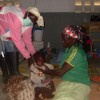
Government Under Fire As Cholera Epidemic Rages
This death toll from a cholera epidemic in Cameroon's North and Far North provinces stands at 420, according to public health minister André Mama Fouda. The outbreak of the waterborne disease throws an unwelcome spotlight on inadequate access to clean water and sanitation, particularly in the country’s rural north.Uganda Failing to Control TB
John Mahanga sits on his hospital bed, coughing persistently. The 42-year-old has been suffering from tuberculosis (TB) for the past three years. He has been in treatment for it, but repeatedly stopped taking medication when he felt better. Doctors have now diagnosed him with multi-drug resistant (MDR) TB.BURMA: Heroin Trade Tears Social Fabric of Ethnic Minorities
Dustbins in a university toilet rarely elicit a second look, but those at one of the oldest universities in Burma’s Kachin State do offer reason to pause. The bins, after all, collect a special form of garbage disposed of by students – hypodermic needles and syringes they have used to inject themselves with heroin.« Previous Page — Next Page »


 Bangladesh: Sarid, born one month early, receives specialized newborn care and grows stronger every day. Credit: UNICEF/UNI944397/Mojumder
Since the onset of the 2000s, global life expectancy has seen an overall rise, attributed to significant technological and scientific innovations in healthcare. Due to an increased understanding of different conditions as well as a rise in cooperation among healthcare experts around the world, there have been major strides made in ensuring that as few people die from chronic illnesses as possible. Despite the belief that healthcare is a fundamental human right, people from low- or middle-class backgrounds, marginalized groups, and underdeveloped countries have far more limited access to basic healthcare services.
The COVID-19 pandemic showed how marginalized communities are disproportionately affected by health crises, proving that we have much work to do in ensuring that no one dies of terminal conditions. While the global response to the coronavirus saw significant strides in immunization and vaccine development, the global outbreak of mpox in 2022 and its upsurge in parts of Africa in 2024 must remind us to remain vigilant.
Other major disease outbreaks in recent years have been linked to the destruction of infrastructure during warfare. Notably, in 2024, the Gaza Strip witnessed a return of the poliovirus since its eradication in the region 25 years ago. Israel’s blockade on Gaza has resulted in the collapse of the region’s sewage plants and desalination plants, and also destroyed healthcare capacities. The UN stated that this lack of clean water and sanitation would lead to an outbreak of cholera and other deadly infectious diseases. The 2026 OCHA Humanitarian Situation Report confirmed that the over two years of conflict in Gaza has produced a catastrophic health emergency, with millions remaining dependent on relief aid amid tight restrictions and no functioning public health system.
IPS is committed to providing full and comprehensive coverage on healthcare challenges around the world. IPS seeks to address the multifaceted causes of such challenges, including unprecedented pandemics, conflict-driven disease outbreaks, as well as socioeconomic barriers to equal healthcare access. IPS is also dedicated to reporting on innovations in the healthcare industry.

The Week with IPS

NEXT STOP - SDGs
Tracking global progress towards a sustainable world
Tracking global progress towards a sustainable world
