Languages
Friday, November 20, 2026



News and Views from the Global South
Health
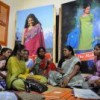
HEALTH-INDIA: Positive Approach to Life
At an age when most 20-year-olds dream of living a perfect life, Kousalya Periasamy found hers shaken by personal tragedies.HEALTH: “Patent Pool” Could Ease HIV Drug Prices
Pharmaceutical giants like Pfizer and GlaxoSmithKline hold the future welfare of poor people living with HIV/AIDS in their hands, argues the humanitarian group Doctors Without Borders, which is urging the companies to release their patents on specific HIV drugs into a collective pool that will increase access and affordability to treatment in developing countries.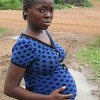
HEALTH-LIBERIA: Rainy Season Deadly for Pregnant Women
As heavy rain hammers the grass thatch roof of her mud hut, Goromah Borbor huddles inside and quietly describes how her daughter Annie died while giving birth.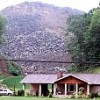
ENVIRONMENT-US: Advocates Fight Mountaintop Removal
Environmental groups across the southeast United States, from Georgia to the Appalachia region, are stepping up their opposition to a controversial but widespread practice by coal companies of removing the tops of mountains with explosives.
ZAMBIA: 'Clear Lack of Commitment to HIV'
A United Nations mid-point review of Zambia's efforts towards reaching the Millennium Development Goals (MDGs), released in September, has revealed that HIV/AIDS might prevent the southern African country from meeting the targets.VIETNAM: Anti-Smoking Drive Fails to Curb Male Tobacco Abuse
At a ‘tra da’ (iced tea) stand in Hanoi’s Truc Bach area, men in baggy white singlets sit on low plastic stools drinking strong green tea poured from a chipped porcelain tea pot.
HEALTH-ANGOLA: "It's Normal Here That Children Die Young"
Angelina Silva doesn’t remember the exact dates when her sons died. She just remembers their ages.PERU: Environmental Clean-up not Complete, Say Achuar Communities
Leaders of the Achuar people are challenging a decision by the Peruvian government to declare that a clean-up effort by the PlusPetrol oil company in the northeastern Amazon jungle has been completed.ZAMBIA: Malaria Prevention Pays Off
Huge investments in malaria control and prevention have prevented as many as 75,000 child deaths over the past five years.
INDIA: Most Live Donors Are Wives or Mothers
Here's a statistic that reveals the truth about gender relations in India.HEALTH-AFRICA: Financial Crisis Scapegoat for ARV Stockouts?
Shortages in supply of antiretroviral (ARV) drugs are caused by lack of political will and bad supply management, not by the global economic crisis, health experts say.
MADAGASCAR: Poverty Forces 2 Million Children into Hard Labour
Poverty has increased dramatically in Madagascar since January, when a national protest movement to end the regime of former president Marc Ravalomanana plunged the country into a socio-economic crisis. Since then, the number of child labourers has risen by a whopping 25 percent.
ZAMBIA: Farmers Resort to Human Waste for Fertiliser
The economy's down, the price of fertiliser's up. And Zambian farmers are stealing sewage for their vegetable gardens.BRAZIL: Getting Beyond the Taboo to Fight STDs
Although Brazil has the reputation of being more sexually liberal than its Spanish-speaking neighbours, Brazilians suffer their own fears of stigma when it comes to sexually transmitted diseases (STDs) – the target of a new public health campaign.
HEALTH: Dutch Rethink Mixing Cannabis With Coffee
Along with "canal" and "dyke", young people visiting this city will learn some other interesting words in a very short time - words such as "cannabis", "bong", and "marijuana". The words are hard to avoid, especially in the tourist area that boasts a museum devoted to "hash".
LAOS: What People Cannot Eat is of Great Importance to Women – Part 2
"When I was born my mother could not eat anything but tiny fish and tea made from herbs for one whole year," says Dr Bhounsouane. "She was so weak that she could hardly walk. Post partum food taboos (phit kam) are a major problem in Laos for women," he said.
LAOS: Land Legislation Disempowers Women – Part 1
Ki is seven years old but looks more like three. His legs are bowed and skull misshapen. He looked at me with a blank stare. The health worker, Kheo, suggests rickets.SOUTH ASIA: Disunity Hovers over a Region Battling Climate Change
As the Copenhagen Conference on climate change draws nearer, South Asia, which appears poised for severe threats from the impacts of climate change, faces a stiff challenge on two fronts.HEALTH-US: State’s ‘Model’ Reforms May Be Anything But
As all factions of the U.S. Congress continue a bruising debate about how to change the U.S. health system, one state, Massachusetts, seems to point the way clear, but activists say the Massachusetts plan is already troubled and doomed by skyrocketing costs.POPULATION: Where’s Family Planning on Climate Change Radar?
Are climate change and reproductive health two disparate subjects?EASTERN EUROPE: Disabled Seek to Move In From the Margins
At 37, Dimo Kokorkov, a carpenter from Stara Zagora in central Bulgaria is "broken-hearted". Dimo says this to describe his sense of deep injustice after being systematically abused in prison because of his disabilities.« Previous Page — Next Page »


 Bangladesh: Sarid, born one month early, receives specialized newborn care and grows stronger every day. Credit: UNICEF/UNI944397/Mojumder
Since the onset of the 2000s, global life expectancy has seen an overall rise, attributed to significant technological and scientific innovations in healthcare. Due to an increased understanding of different conditions as well as a rise in cooperation among healthcare experts around the world, there have been major strides made in ensuring that as few people die from chronic illnesses as possible. Despite the belief that healthcare is a fundamental human right, people from low- or middle-class backgrounds, marginalized groups, and underdeveloped countries have far more limited access to basic healthcare services.
The COVID-19 pandemic showed how marginalized communities are disproportionately affected by health crises, proving that we have much work to do in ensuring that no one dies of terminal conditions. While the global response to the coronavirus saw significant strides in immunization and vaccine development, the global outbreak of mpox in 2022 and its upsurge in parts of Africa in 2024 must remind us to remain vigilant.
Other major disease outbreaks in recent years have been linked to the destruction of infrastructure during warfare. Notably, in 2024, the Gaza Strip witnessed a return of the poliovirus since its eradication in the region 25 years ago. Israel’s blockade on Gaza has resulted in the collapse of the region’s sewage plants and desalination plants, and also destroyed healthcare capacities. The UN stated that this lack of clean water and sanitation would lead to an outbreak of cholera and other deadly infectious diseases. The 2026 OCHA Humanitarian Situation Report confirmed that the over two years of conflict in Gaza has produced a catastrophic health emergency, with millions remaining dependent on relief aid amid tight restrictions and no functioning public health system.
IPS is committed to providing full and comprehensive coverage on healthcare challenges around the world. IPS seeks to address the multifaceted causes of such challenges, including unprecedented pandemics, conflict-driven disease outbreaks, as well as socioeconomic barriers to equal healthcare access. IPS is also dedicated to reporting on innovations in the healthcare industry.

The Week with IPS

NEXT STOP - SDGs
Tracking global progress towards a sustainable world
Tracking global progress towards a sustainable world
