Languages
Friday, November 20, 2026



News and Views from the Global South
Health

HEALTH-SOUTH AFRICA: Bringing HIV Testing Where It's Needed
In the ten months since the Tutu Tester's mobile clinic began touring Cape Town neighbourhoods offering quick, confidential tests for a number of chronic diseases including HIV/AIDS, more than 7,000 people have climbed into its colourful camper-van for testing and counselling.ARGENTINA: In the Shadows of Mentally Disabled Siblings
"He’s the favourite. I always have to let him play," complains a boy with a mentally disabled brother. "Will she have to come live with me?" is a common worry among siblings of the disabled.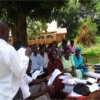
UGANDA: Village Health Teams – First Draft of a Solution
Primary health care in Uganda is hampered by a shortage of doctors and nurses, but trained volunteers from the community are stepping into the breach.DEVELOPMENT-SOUTHERN AFRICA: Helping the Most Vulnerable Households
A new tool to accurately measure the vulnerability of rural households to the impact of shocks such as the illness or death of a household member from AIDS has been developed by a Southern Africa regional policy network, the Food Agriculture and Natural Resources Policy Analysis Network (FANRPAN).GREECE: For Refugees, Could Afghanistan be Worse
For more than a decade migrants and refugees have been landing up at a slum in Patras town in the hope of catching a boat to Italy.
HEALTH-ZIMBABWE: Government Promises to Rebuild Health System
The resuscitation of Zimbabwe’s health care system has been identified as one of the major challenges facing the country by the country’s new unity government.HEALTH-SOUTH AFRICA: 'Our Lives Are Most Important'
The Fourth South African AIDS conference ended in Durban Friday with optimism over progress in research and policy on AIDS prevention but serious concerns over finding the resources to effectively implement the country's national strategic plan of action.AUSTRALIA: Concerns Rise Over Leak at Uranium Mine
The revelation that a substantial amount of contaminated water is leaking each day from a tailings dam at a uranium mine, located in a World Heritage Site, has sparked protests from environment activists.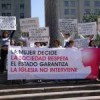
CHILE: Therapeutic Abortion – Hot Election Issue
The debate on the decriminalisation of therapeutic abortion has been revived ahead of the December presidential elections in Chile, one of the few countries in the world where abortion is illegal even under extreme circumstances, such as risk to the mother's life or a severely deformed foetus.
SOUTH AFRICA: Nurses Should Be Backbone of ARV Treatment
Effectively scaling up South Africans’ access to antiretroviral (ARV) treatment will require decentralisation of health services from hospitals to clinics and allowing nurses to manage and eventually to initiate ARV treatment and care.HEALTH-ARGENTINA: Dengue Haemorrhagic Fever Is Here
While the authorities squabble over what or whom to blame, Argentina is suffering its worst epidemic of dengue fever since 1998 in terms of the number of people and the size of the area affected. And on top of that, the most dangerous form of the illness, never recorded here before, has made its appearance.POPULATION: Global Financial Crisis Threatens Family Planning
The spreading global financial crisis is threatening to undermine another one of the U.N.'s major development and health goals: family planning.
HEALTH: Using ARVs to Prevent as well as to Treat HIV
Researchers are now investigating if antiretroviral (ARV) drugs can play a role in not just treating HIV, but in preventing infection. Mitchell Warren, executive director of the AIDS Vaccine Advocacy Coalition (AVAC), called it "a pivotal moment in HIV/AIDS research".
FINANCE: Guns 'n Nurses in Namibia's Budget
Tax relief for lower income groups in Namibia should not conceal that the 2009/10 budget falls short in addressing structural problems in the economy, civil society organisations have charged.SOUTH AFRICA: Implementation, Not Money the Obstacle to Scaling Up HIV Treatment
The money to scale up HIV treatment is there, but implementation of programmes to curb the pandemic is a problem, health experts said at the opening of the Fourth South African AIDS Conference in Durban.
Q&A: Sanitation Must Be Owned by Local Communities
The world's developing nations, particularly in Asia and Africa, are struggling to cope with two of the basic necessities of life: fresh water and adequate sanitation.
HEALTH-LESOTHO: Migration Calls for Cross-Border Health Policies
The mountain kingdom of Lesotho faces a number of unique hurdles with regard to HIV and AIDS.RIGHTS: Cuba Launches Anti-Homophobia Campaign
You could hear a pin drop and uncomfortable glances went round the room when the moderator of the debate invited contributions from the floor. A law student finally broke the silence, appealing for education to be a two-way street, so that homosexuals can "help us to accept them."RIGHTS-BENIN: Support for Women Facing Violence
Judges and gynaecologists in Benin have undergone training on the interpretation of forensic evidence in cases of violence against women, as well as in investigative procedures when dealing with rape cases.
SOUTH AFRICA: Activists Lament Lack of HIV/TB Co-Treatment
Despite repeated calls for integrated HIV and tuberculosis (TB) health services from medical experts and AIDS activists, most of South Africa’s public health facilities continue to treat the diseases independently. Co-infection presents a major risk to the lives of people living with HIV.
HEALTH-PAKISTAN: Spacing Births for Mother and Child
Health experts in Pakistan are now concentrating on getting women from all strata of society to space births.« Previous Page — Next Page »


 Bangladesh: Sarid, born one month early, receives specialized newborn care and grows stronger every day. Credit: UNICEF/UNI944397/Mojumder
Since the onset of the 2000s, global life expectancy has seen an overall rise, attributed to significant technological and scientific innovations in healthcare. Due to an increased understanding of different conditions as well as a rise in cooperation among healthcare experts around the world, there have been major strides made in ensuring that as few people die from chronic illnesses as possible. Despite the belief that healthcare is a fundamental human right, people from low- or middle-class backgrounds, marginalized groups, and underdeveloped countries have far more limited access to basic healthcare services.
The COVID-19 pandemic showed how marginalized communities are disproportionately affected by health crises, proving that we have much work to do in ensuring that no one dies of terminal conditions. While the global response to the coronavirus saw significant strides in immunization and vaccine development, the global outbreak of mpox in 2022 and its upsurge in parts of Africa in 2024 must remind us to remain vigilant.
Other major disease outbreaks in recent years have been linked to the destruction of infrastructure during warfare. Notably, in 2024, the Gaza Strip witnessed a return of the poliovirus since its eradication in the region 25 years ago. Israel’s blockade on Gaza has resulted in the collapse of the region’s sewage plants and desalination plants, and also destroyed healthcare capacities. The UN stated that this lack of clean water and sanitation would lead to an outbreak of cholera and other deadly infectious diseases. The 2026 OCHA Humanitarian Situation Report confirmed that the over two years of conflict in Gaza has produced a catastrophic health emergency, with millions remaining dependent on relief aid amid tight restrictions and no functioning public health system.
IPS is committed to providing full and comprehensive coverage on healthcare challenges around the world. IPS seeks to address the multifaceted causes of such challenges, including unprecedented pandemics, conflict-driven disease outbreaks, as well as socioeconomic barriers to equal healthcare access. IPS is also dedicated to reporting on innovations in the healthcare industry.

The Week with IPS

NEXT STOP - SDGs
Tracking global progress towards a sustainable world
Tracking global progress towards a sustainable world
