
Wednesday, November 18, 2026



News and Views from the Global South
Climate Change

AFRICA: Change the Donors Climate
When donor-funded horticultural projects failed in Kalacha village at the edge of the Chalbi Desert in North Eastern Province, Kenya, the local pastoralist community proposed their own idea, which turned out to be the solution to their problems.Q&A: The Finer Points of Rising Sea Levels
Long before the Pacific will rise to a level that will leave its estimated 30,000 islands submerged, most of them might be severely affected by frequent flooding and storms.ASIA-PACIFIC: Refugees of Climate Change Rising Steadily
Asian countries, home to about 60 percent of the world's population, will be hit hardest by changing weather patterns and a degrading environment, research indicates.Floods Leave Thai Economy Gasping
No guns are needed in this battle. Only the muscle of Thai soldiers defending a sprawling industrial estate on the eastern end of this city from an advancing enemy - flood waters.CLIMATE CHANGE: A Rising Sea Threatens Pacific Islands
As world leaders gear up to spend the coming weeks in South Africa haggling over economically bearable cuts in greenhouse gas emissions, climate change is already exacerbating environmental conditions and threatening the lives and livelihoods of thousands of Pacific Islanders.
Africa’s farmers still face serious challenges
 Stakeholders in agriculture from Western and Central Africa are meeting in Gabon for the 6th International Fund for Agricultural Development (IFAD) regional forum. As Zukiswa Zimela reports, they are talking about the challenges facing smallholder farmers.

CLIMATE CHANGE-PERU: Rural Women Share Their Trials and Wisdom
"This year the freeze killed my crops, our small livestock died, and now I can't even sleep because I'm worried sick thinking about how to put food on my family's table, since I'm a widow," said Rosaura Huatay, an indigenous farmer in Peru's northern Andes highlands.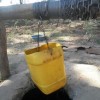
CLIMATE CHANGE: A Threat to Food Security in Africa’s River Basins
While Africa has successfully avoided conflict over shared water courses, it will need greater diplomacy to keep the peace as new research warns that climate change will have an effect on food productivity.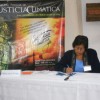
Mexican Women Demand Climate Justice
After two weeks without water, the taps finally started running again in the home of Araceli Salazar and her neighbours in the poor, crowded neighbourhood of Iztapalapa on the east side of the Mexican capital.
Q&A: “Grabbing of Drylands is a Serious Concern”
Designated Drylands Ambassador, United Nations Convention for Combating Desertification (UNCCD), at its 10th Conference of the Parties (COP10) in South Korea in October, Dennis Garrity is mandated to raise awareness of land degradation.
SADC wants cross-border forest protection
The South African Development Community says states need to protect their forrests as a region. SADC is preparing to put their case before COP 17 in Durban later this month. Zukiswa Zimela reports from the SADC headquarters in Botswana.

Gender must be on COP17 agenda: SADC
The head of SADCs gender unit, Magdeline Mathiba-Madibela, says climate change affects women in Southern Africa and their plight must be discussed at COP 17 in Durban later this month. Zukiswa Zimela interviews Mathiba-Madibela in Gaborone and asked her what is needed to protect women against climate change.

Regional farmers union wants agriculture in COP17 text
The Southern African Confederation of Agricultural Unions, SACAU, says the COP17 discussions in Durban later this month is an opportunity to put agriculture on the climate change map. Tinus de Jager asked Ishmael Sunga, the confederation CEO, what they are pushing for at the end of November.
Time to Derail Fossil Fuel Train, Energy Agency Warns
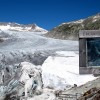
Countries have chained themselves to a fossil fuel train that is headed straight off a cliff, warns the International Energy Agency (IEA).
Climate Change Arouses Scientific Curiosity in Mexico
Climate change has inspired dozens of scientists at Mexican public universities to conduct research on its effects and seek ways to confront them.
CLIMATE CHANGE: Bangladeshi Women on the Brink
Char Nongolia village is a basket case when it comes to climate change impacts such as increasing salinity, frequent cyclones, tidal surges, erratic rainfall and extended droughts.
CANADA: Harper Government Guts Environment Programmes
Canada's Stephen Harper government is spending more than 60 billion dollars on new military jets and warships while slashing more than 200 million dollars in funding for research and monitoring of the environment.
ENVIRONMENT: Nepali Women Live With Climate Terror
Suntali Shrestha wrings her hands in tension and despair as she recounts how she has been spending sleepless nights fearing that the flood alarm in her village would go off while she slept and she would be submerged.
Brazilian NGOs Say Rio+20 Paper Short on Details
Environmentalists criticised the lack of concrete proposals in the Brazilian government's submission to the preparatory process for the Rio+20 conference, to be held in this city in June 2012.OP-ED: A Rio+20 Activist Manifesto and Action Plan
Unless civil society activists launch their own programme of action at the United Nations Conference on Sustainable Development in Rio de Janeiro next summer (Jun. 4-6), the event will be little more than an expensive talkfest.
Antigua Partners with EU for Emergency Docking Port
The scars on the pilings adjacent to the new Emergency Ferry Docking Facility here are still visible, graphic evidence of the devastation caused by Hurricane Luis when it hit Antigua and Barbuda in 1995.« Previous Page — Next Page »


As unsustainable human consumption and production systems are driving changes in average temperatures and weather patterns, "abnormal" is increasingly becoming the norm. So far, a lack of financing has been standing in the way of a comprehensive global plan for climate adaptation, and a global financial crisis has contributed to an increasing reliance on public-private partnerships. Our Climate Change page provides you with the latest news about international and local efforts to address what's frequently been called "the challenge of our time", the forces behind the climate change and the impact it has on the world's most vulnerable populations. Along the way, we bring you stories on growing citizen awareness, new scientific data, and emerging climate policies towards sustainable development.

The Week with IPS

Tracking global progress towards a sustainable world

