
Wednesday, November 18, 2026



News and Views from the Global South
Climate Change
Global Campaign to Bestow Legal Rights on Mother Earth
An international coalition of academics and environmental activists has launched a global campaign for the creation of a new U.N. convention to protect "mother earth".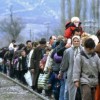
Global Refugee Problem Bigger Than Ever
This year marks the 60th anniversary of the landmark 1951 U.N. Convention on the Status of Refugees defining their rights and states' legal obligations to protect them.
Sorghum Proving Popular with Kenyan Farmers
Gadam sorghum was introduced to semi-arid regions of eastern Kenya as a way for farmers to improve their food security and earn some income from marginal land. The hardy, high-yielding sorghum variety has not only thrived in harsh conditions, it has won a place in the hearts - and plates - of local farmers.
Still Awaiting a Roadmap for Sustainable Development
The road to the crucial Rio+20 conference on greening the world economy next year has hit a setback with the breakdown of the 19th session of the U.N. Commission on Sustainable Development after 10 days of intense negotiations.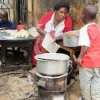
Uganda Stoves Saving Fuel and Forests
Carbon finance is putting new and efficient charcoal stoves into hundreds of thousands of kitchens in Uganda – reducing charcoal use and protecting forests as well as saving money for poor households.Humanity Hitting the Resource Ceiling
Better living through using far fewer material resources is the only possible future, experts agree. Humanity is pressing up against the limits of a finite planet to provide resources like water, oil, metals and food, according to a new report released Thursday.Seed Proteins May Help Plants Weather Drought
British researchers are working on techniques to improve seeds chances of surviving drought by tapping the potential of little-known proteins that regulate water intake.Malawi Lays Out Its Agenda at U.N. Development Conference
Escalating fuel prices, climate change and the impact of the global financial crisis are the challenges currently compromising development in Malawi. The Southern African country wants to see a bold plan of action addressing these problems agreed upon at the Fourth U.N. Conference on Least Developed Countries (LDC-IV) currently taking place in Istanbul, Turkey.MEXICO: REDD Rag to Indigenous Forest Dwellers
The implementation of a forestry programme against climate change in the southern Mexican state of Chiapas poses a threat to indigenous people in the state, non-governmental organisations warn.
CAMBODIA: Understanding of Climate Change Sketchy, But Concern Real
The rains were kind to Cambodian farmer Tep Van last year, when the monsoon season doused his land with enough water to soak his fields and grow his precious rice crop. But he’s not sure he can count on the same luck this year.
Mexico’s Use of “Green” Financing Questioned
While Mexico played host to a meeting for the creation of a Green Climate Fund, doubts have been raised over whether the millions of dollars in financing the country has already received in recent years have been effectively implemented to combat global warming and its consequences.Jamaica Moves to Slash Hefty Food Import Bill
Behind the rusting zinc sheets covering the gates to his inner-city home, Norman Hamilton is one of the army of backyard gardeners who have been called to action in Jamaica's latest efforts to improve food security.
JAPAN: Civil Society Gaining Ground Following Quake
Civil society organisations in Japan have traditionally been on the sidelines in influencing mainstream policy, but the massive Tohoku earthquake and tsunami of Mar. 11 is becoming a catalyst for important change.ENVIRONMENT: Kiss of Life for DR Congo Pygmies
"Most of the houses in our villages are still made with small branches that we have collected, while our timber and our medicinal plants are taken by people who are enriching themselves elsewhere," said Ampiobo Amuri, a traditional pygmy chief.A Fair Wind for Clean Energy in Central America
Soaring international prices for oil and gas are driving the expansion of renewable energies in Central America, a region that has plenty of untapped potential for producing hydroelectricity, wind power and geothermal energy.JAPAN: Quake’s Aftermath Weighs Heavily on Women
Since the horrific Mar. 11 earthquake and tsunami that devastated her coastal town of Minato, in Ishinomaki city, Masami Endo’s three-year-old daughter has been crying and clinging to her every night.China’s Green Blueprint Raises Stakes at U.N. Climate Talks
China’s rise as a leader in the environmentally friendly, low-carbon economy is giving the Asian giant new diplomatic muscle for this year’s round of climate change negotiations leading up to the COP17 U.N. summit in Durban, South Africa in November.
JAPAN: Difficult Shift From Aid Donor to Recipient
April has traditionally been the time for ‘hanami’, or cherry blossom festivals, when millions of Japanese hold parties under the pink flowering trees in parks and streets lit up gaily by lanterns.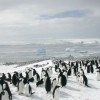
Antarctic Penguin Population Declines with Krill
Two species of Antarctic penguins have declined sharply over the past 30 years as their chief food source has been devastated by a combination of other predators, over-fishing, and rapidly melting sea ice caused by global warming, according to a new study released here Monday by the National Academy of Sciences.CLIMATE CHANGE: Developing Countries Step In Where Richer Nations Fear to Tread
Led by countries like Indonesia, 48 developing nations are rolling out a range of pledges to voluntarily cut their respective emissions of greenhouse gases (GHG) by 2020, the year climate scientists say the earth’s rising temperature should peak by if an environmental catastrophe is to be avoided.
ENVIRONMENT: U.N. Tries to Put Its Own House in Order
In the past few years, United Nations headquarters in New York has undergone a transformation. Besides renovating the entire building, the U.N. is trying, as a leading international organisation, to take more responsibility and set an example for environmentally-friendly, sustainable practices by implementing such changes as cutting back on printing, posting more documents online, and creating water-saving measures.« Previous Page — Next Page »


As unsustainable human consumption and production systems are driving changes in average temperatures and weather patterns, "abnormal" is increasingly becoming the norm. So far, a lack of financing has been standing in the way of a comprehensive global plan for climate adaptation, and a global financial crisis has contributed to an increasing reliance on public-private partnerships. Our Climate Change page provides you with the latest news about international and local efforts to address what's frequently been called "the challenge of our time", the forces behind the climate change and the impact it has on the world's most vulnerable populations. Along the way, we bring you stories on growing citizen awareness, new scientific data, and emerging climate policies towards sustainable development.

The Week with IPS

Tracking global progress towards a sustainable world

