
Wednesday, November 18, 2026



News and Views from the Global South
Climate Change
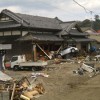
EXCLUSIVE: Report from Fukushima
 My decision to visit Fukushima - the area worst hit by the massive quake, tsunami and nuclear power accident on Mar. 11 - was taken one afternoon last week after a long meeting with scientists.
CLIMATE CHANGE: World Bank Under Fire for Role in New Global Green Fund
The World Bank is facing mounting opposition from a broad network of green and grassroots activists over its role in a new global Green Climate Fund (GCF) aimed at helping developing countries combat the ravages of climate change.CLIMATE CHANGE: Uncertain Future of Kyoto Protocol Alarms Green Groups
With just seven months to go before a pivotal U.N. climate change summit in South Africa, green groups are raising the alarm here about the future of the Kyoto Protocol, the world’s only international treaty that mandates most industrialised nations to cut their environment polluting greenhouse gases (GHG) to save the planet from overheating.
UGANDA: Sun Smiling on Renewable Energy Initiative
Clementine Auma was still living in a displaced person's camp in Gulu district when she acquired the treasure she's gone into the house to fetch. She re-emerges from her home with a white box in her arms: a solar oven.
Sky-High Oil Prices Here to Stay
As the Arab world continues to pitch and heave with flashes of popular uprisings here and sparks of brutal crackdowns there, analysts are painting a grim picture of the regional unrest's economic consequences, predicting the persistence of high oil prices in the coming years.JAPAN: Disaster Highlights Economic Vulnerability
As authorities struggle to control dangerous radioactive material spilling from the quake ravaged Fukushima nuclear power reactors, a more difficult question has begun to unsettle Japan: is the country’s post-war prosperity as invincible as was believed till now?INDIA: Fukushima Revives Debate Over Nuclear Liability
The Fukushima disaster has prompted calls to review legislation passed by the Indian parliament in August 2010 that capped compensation payable, in the event of a nuclear accident, at 320 million U.S. dollars.AUSTRALIA: Pushing Uranium Exports Despite Japanese Crisis
Many countries view nuclear energy as a way to meet growing electricity demands without releasing large amounts of greenhouse gasses. And as a major uranium exporter, Australia is keen to capitalise on future opportunities despite the ongoing nuclear emergency at Japan’s Fukushima reactors.CARIBBEAN: Colonies Seek to Redefine Relationship with EU
The newly elected chair of the Overseas Countries and Territories Association (OCTA), Montserrat's Chief Minister Reuben Meade, wants "trade rather than aid" to form the basis of the future relationship between Europe and its colonies around the world.KENYA: Sustainable Energy in the Heart of the Slums
Talk about foul foundations: the Katwekera Tosha Bio Centre is built on the stuff that goes into toilets. This community centre in the Nairobi slum of Kibera goes well beyond solving sanitation problems - it is a model for green energy, a meeting place for locals, and turning a profit for its operators.
CLIMATE CHANGE: “Act of Conscience” Could Earn 10-Year Prison Term
A college student who derailed a federal auction of oil and gas leases to protest drilling near national parks in the western U.S. state of Utah, as well as the larger issue of reliance on fossil fuels, has reignited debate over the legitimacy of civil disobedience in addressing profound global problems like climate change.U.S.: Poll Finds Support for Freeze on Nuke Plants
The United States government has been accused of failing to read growing public concern about the future of the country's atomic energy programme, as the crisis at Japan's stricken Fukushima nuclear plant continues to unfold.Q&A: Studying Kenyan Farmers’ Efforts to Adapt
Climate change has become an important part of the development agenda. In Africa, farmers and consumers alike are feeling its effects on productivity and food security.
LATIN AMERICA: Brick-Making Industry Confronts Its Climate Impacts
Wearing rolled up trousers and a spattered shirt, Carlos Frías mixes mud, water and manure to prepare a row of red bricks.
AFRICA: Anxious Eyes on Green Climate Fund
The African Development Bank says it is concerned about administrative delays holding up progress on the Green Climate Fund - one of the most significant achievements from the Cancún climate talks.Maldives Seeks “Smooth Transition” for World’s Poorest Nations
When the environmentally-threatened Indian Ocean island of Maldives "graduated" from the ranks of least developed countries (LDCs) to a middle-income country last January, the graduation was characterised as a milestone in the country's socioeconomic development.INDIA: Green Schemes Turn Into White Elephants
Several incinerator facilities that were supposed to turn waste into energy have proven to be white elephants that are now adding to the country’s pollution woes, instead of alleviating them.
U.S. Nuke Plant Safety Questioned in Wake of Japanese Disaster
As Japan continues to battle the threat of nuclear meltdown in the wake of Friday's devastating earthquake, lawmakers, environmental activists and the nuclear industry in the United States are squaring up for a heated contest over the future of atomic energy in this country.Caribbean Tourism Officials Seek Concessions from Europe
Caribbean officials gathered in Brussels for the region's annual tourism summit, the first to be held in Europe, are urging their biggest development partner to draft policies supporting the lifeblood sector and ease restrictions such as Britain's Air Passenger Duty (APD), which they say are holding back its growth.INDIA: Court Challenges Dubious Environmental Impact Reports
India’s Supreme Court has questioned clearances to industries on the basis of environment impact assessments (EIAs) carried out by private consultants in the pay of project proponents.Save Climate and Double Food Production With Eco-Farming
Eco-farming could double food production in entire regions within 10 years while mitigating climate change, according to a new U.N. report released Tuesday in Geneva.« Previous Page — Next Page »


As unsustainable human consumption and production systems are driving changes in average temperatures and weather patterns, "abnormal" is increasingly becoming the norm. So far, a lack of financing has been standing in the way of a comprehensive global plan for climate adaptation, and a global financial crisis has contributed to an increasing reliance on public-private partnerships. Our Climate Change page provides you with the latest news about international and local efforts to address what's frequently been called "the challenge of our time", the forces behind the climate change and the impact it has on the world's most vulnerable populations. Along the way, we bring you stories on growing citizen awareness, new scientific data, and emerging climate policies towards sustainable development.

The Week with IPS

Tracking global progress towards a sustainable world

