
Saturday, October 3, 2026



News and Views from the Global South
Climate Change

Typhoon Yagi Devastates Southeast Asia
In early September, Typhoon Yagi, a deadly tropical cyclone, hit Southeast Asia and Southern China, causing widespread destruction. According to the United Nations (UN), wind speeds, reaching 213 kilometers per hour, as well as heavy flooding and severe landslides, have devastated affected areas. Yagi is the strongest natural disaster to hit the South China Sea in three decades, leaving over 500 people killed, 38 missing, and 1,900 injured.
Amid Great Challenges, Hope Reigns As More Children Reached with Education Support
Amid unprecedented global challenges and a growing list of countries in crisis, there is an existential threat to decades of development gains—with the global community marked by intensified armed conflict, forced displacements, and the debilitating effects of climate crises.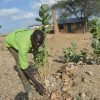
Governments Using Billions of Public Funds to Subsidize Climate-Destructive Industries—Report
A report examining corporate capture of public finance is accusing industries fueling the climate crisis, including fossil fuel ones, of draining public funds in the Global South, singling them out for squeezing out of governments USD 700 billion in public subsidies each year.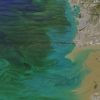
Explainer: Why Venezuela Needs To Reduce Its Gas Flaring
The most visible part of gas flaring in Venezuela is the so-called “Monagas illuminated nights.” These are red and orange skies, which are visible from the homes of the locals at night and which show the gas flaring in the oil fields of Monagas, a state located in the east of the Caribbean country and key in its oil production.
How Much is Too Much for Mount Everest? Isn’t it Time For Sagarmatha to Rest
"That’s Mt. Everest!" I overheard this from a trekking guide to his trekkers team. I stopped and asked him—which one! He was not our guide, but I approached. He pointed a finger and showed me Mt. Everest and I cried—I don't know why. I was overwhelmed and humbled to finally witness the world's tallest mountain—it was not from the base camp but from Thyangboche while returning.
Severe Floods in Nigeria Magnify The Dire Humanitarian Crisis
On Monday, the Alau dam in Maiduguri, Borno State, collapsed, causing flash floods to ravage neighbouring regions in Nigeria. This comes after weeks of torrential rain, which caused severe structural damage to the dam. The floods have changed the lives of thousands and caused high levels of damage to infrastructures. The impacts of the recent floods compound with Nigeria’s pre-existing humanitarian crisis, which includes armed conflict, widespread malnutrition, and a failing economy.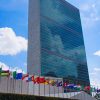
A UN 2.0 Needs Robust People’s Civil Society Participation
A cascade of crises endangers our world. Wars conducted without rules, governance devoid of democratic principles, surge in discrimination against women and excluded groups, accelerating climate change, greed-induced environmental degradation and unconscionable economic deprivation in an age of excess are threatening to roll back decades of human progress made by the international community.
Rising Temperatures Threaten Our Oceans
Human practices, such as unsustainable fishing, pollution, coastal development, and fossil fuel use have pushed the Earth’s oceans to their limits. This has resulted in warmer, more acidic waters. As global temperatures rise yearly due to climate change, oceans continue to see significant losses in biodiversity, rising sea levels, and environmental damage.
Mixed Fortunes for Africa’s Rapid Urbanization—Report
A new report says African cities will record rapid urbanization in the next decade, creating a mixed bag of socio-economic opportunities and challenges for the continent. This development is projected to result in wealthier consumer markets, better connected and more sophisticated commercial hubs, and larger bases for industrial production.
Small Glacial Lakes’ Mass Destruction in the Himalayan Community
Small glacial lakes can cause destruction, which may impact the livelihoods of entire communities. Now this is the harsh reality that the community of Thame village in the Mt. Everest region of Nepal now faces as they rebuild after the August 16 disaster.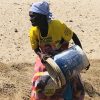
El Niño-Induced Water Crisis Drubbing Villagers in Zimbabwe
Side-by-side with fellow male villagers, Enia Tambo uses a white 25-liter plastic bucket to dig out mounds of sand in the Vhombozi River, in Mudzi district located in Zimbabwe’s Mashonaland East Province. The woman, in her late 50s, is digging to reach the water that is lying deep beneath the soil.
Armed Conflict and Climate Crisis Threatens the Lives of Millions in Yemen
Yemen is currently in the midst of a severe humanitarian crisis that has been exacerbated by a litany of environmental issues. Years of armed conflict, constant windstorms, flooding, mass displacement, cholera outbreaks, and acute food insecurity have all compounded into a severe issue for millions of Yemeni people. Currently, it is estimated by the International Committee of the Red Cross (ICRC) that approximately 70 percent of Yemen’s population depends on humanitarian aid to survive.
Bangladesh Flash Floods ‘Tragic Reminder’ of Impact of Climate Disasters
Since late August, severe flash floods and monsoons plaguing Bangladesh have affected nearly 6 million people. Bangladeshi officials have declared the floods to be the country’s worst climate disaster in recent memory. These recent floods follow the wake of Cyclone Remal, which devastated Bangladesh and West Bengal earlier this year.
Rural Survival: Guardians of Mother Earth Saving Mau, Revitalizing Native Lands
The Great Rift Valley is part of an intra-continental ridge system that runs through Kenya from north to south. A breathtaking, diverse mix of natural beauty that includes dramatic escarpments, highland mountains, cliffs and gorges, lakes and savannas. It is also home to one of Africa’s greatest wildlife reserves—the Maasai Mara National Reserve.
Tackling Climate Change Will Be a Pyrrhic Victory If We Lose Sight of the Poor
Last July, we were confronted with alarming statistics: 733 million people experienced hunger in 2023, equivalent to one in eleven people globally. In Africa it was even higher, with one in five people going hungry. Climate change is a significant driver of this crisis.
In Tonga the UN Secretary-General Declares a Global Climate Emergency
Three months ahead of the COP29 United Nations (UN) Climate Change Conference, the United Nations Secretary-General, António Guterres, has called for an emergency response from the international community as new data from the World Meteorological Organization (WMO) reveals a critical deterioration in the state of the climate.
Humanitarian Crisis As Floods, Prolonged Heavy Rains Impact Chad
Since June of this year, Chad has been facing an extended period of heavy rainfall. Major flooding has triggered the onset of a significant humanitarian crisis, as all aspects of Chadian life, including health, food production, and community, have been negatively impacted. Additionally, response plans are severely compromised due to high levels of hostility taking place in neighboring nations.
Signs of Progress on Peace-Positive Climate Adaptation
The consequences of climate change are disproportionately impacting fragile and conflict-affected settings (FCS). Climate shocks can exacerbate security risks in FCS, conflict and instability compromise a region’s ability to adapt to climate change, leaving its population ever more vulnerable to future climate shocks.
Struggling at Sea: The Plight of Indian Fishworkers Amid Climate Change and Government Policies
Climate change forces millions of India’s fishworkers to venture beyond the country's exclusive economic zone into the perilous high seas.
UN Efforts for a Resilient Iraq
Climate change and water scarcity pose significant threats to Iraq's stability, prosperity, and the well-being of its people. The environmental challenges facing the nation are complex and interconnected, requiring a comprehensive and coordinated response.
UN Secretary General Warns of ‘Brutal’ Impacts of Climate Change for Pacific Islands
UN General Secretary General António Guterres warned of the wide-ranging impacts of climate change on a visit to the Pacific islands of Samoa and Tonga. "(Climate change) spells disaster: wide-ranging and brutal impacts, coming far thicker and faster than we can adapt to them—destroying entire coastal communities,” said Guterres, speaking at a meeting of Pacific Island leaders in Tonga.« Previous Page — Next Page »


As unsustainable human consumption and production systems are driving changes in average temperatures and weather patterns, "abnormal" is increasingly becoming the norm. So far, a lack of financing has been standing in the way of a comprehensive global plan for climate adaptation, and a global financial crisis has contributed to an increasing reliance on public-private partnerships. Our Climate Change page provides you with the latest news about international and local efforts to address what's frequently been called "the challenge of our time", the forces behind the climate change and the impact it has on the world's most vulnerable populations. Along the way, we bring you stories on growing citizen awareness, new scientific data, and emerging climate policies towards sustainable development.

The Week with IPS

Tracking global progress towards a sustainable world

