
Sunday, November 8, 2026



News and Views from the Global South
Environment

Three Things Cape Town Teaches Us About Managing Water
Cape Town has always been water insecure. The city has done some things well to prepare for a situation like this, but if the drought has shown us something, it is that you need to get everything right and have some luck on top to get out unscathed when the unexpected actually happens.
When Environmental Crises Hit Homes, Women Suffer the Most
When Mandelena became a mother, she was only 16. During the prolonged dry season in Gwor County, South Sudan, her community saw crops failing and cattle dying. Children stopped going to school because of hunger and women and girls had to walk up to five hours every day to collect water.
Argentina’s Patagonia Rebels Against Oil Field Waste Pits
A project to install a huge deposit of oil field waste pits has triggered a crisis in the north of Argentina’s southern Patagonia region, and brought the debate on the environmental impact of extractive industries back to the forefront in this Southern Cone country.
Some of the World’s Biggest Lakes Are Drying Up. Here’s Why.
Tire tracks stretched across the flat lake bed to the horizon. We followed them in a Suzuki 4x4, looking for clues about what’s happened to Poopó, once Bolivia’s second largest lake, which has vanished into the thin air of the Andean highlands.
Costa Rica Studies Its Land, to Keep from Losing It
Donald Vásquez points to the soil on a farm located in one of the most degraded basins on the Pacific Ocean side of Costa Rica. Below, where he points with his index finger, there is a huge layer of white earth, with dozens of bare coffee plants struggling to produce beans in the next harvest.
Monsoon Season Threatens More Misery for Rohingyas
More than half a million Rohingya refugees crammed into over 30 makeshift camps in Cox’s Bazar in southeast Bangladesh face a critical situation as the cyclone and monsoon season begins in a few weeks’ time.
Inclusive Green Growth Must Shape Thailand’s Future, Says GGGI Chief
Energy efficiency in industries presents a unique opportunity for Thailand’s environmental and economic policies as regional trends push towards more inclusive and sustainable green cities for the country and its neighbors, says the Director-General of the Global Green Growth Institute (GGGI) Dr. Frank Rijsberman.
Dung-Eating Earthworms Restore Soil Nutrients in Bangladesh
In Kaliganj village, 20 kilometres south of Rangpur city in Bangladesh, small farmers are turning to vermicomposting after crop yields started dropping. The problem was that soil fertility eroded due to organic nutrient depletion.
Citizen-Generated Energy Enters the Scene in Argentina
The Argentine population can now generate their own energy through clean and unconventional sources and incorporate surpluses into the public grid, thanks to a new law. This is an important novelty in a country embarked on a slow and difficult process, with a still uncertain end, to replace fossil fuels.
A Burger That Saves Emissions Taking 2 Million Cars off the Road
Burgers are possibly the most ubiquitous meal on Americans’ dinner plates, but they’re also among the most resource-intensive: beef accounts for nearly half of the land use and greenhouse gas emissions associated with the food Americans eat.
For the Rural Poor of Peru, the Social Agenda is Far Away
“The day will come when people do not have to go to the cities to overcome poverty," says Elmer Pinares, mayor of an Andean highlands municipality in Cuzco, in southern Peru, where malnutrition and lack of support for subsistence farming are among the main problems.
Village Savings: Helping Small Farmers Weather Climate Shocks
In the past, Lameck Sibukale only knew savings in the form of rearing chickens, goats and more importantly, cattle—a long cherished cultural heritage of the Tonga-speaking people of southern Zambia.
Efficient Water Management in Central Asia
In Tajikistan and other countries of Central Asia, local water user associations have proved vital for efficient irrigation management, and reasonably prolonged training is the key for enabling the associations to perform well.
GGGI Eyes Expanding Role in Triggering Pro-poor Green Growth
Green used to be the color of money. Now it’s the word we use to mean actions that don’t hurt perhaps even help the environment. Moving from paper currency to the world we live in is progress!
Humanitarian Response Plan for Spreading Crisis in Nigeria
The 2018 Humanitarian Response Plan (HRP) for north-east Nigeria demonstrates the commitment of the international community to the people of Nigeria. It is also a clear and positive indication of the strong and continued partnership between us - the international humanitarian community - and the Government of Nigeria.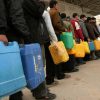
Gaza Health Sector on Verge of Collapse
UN agencies have sounded the alarm on the rapidly deteriorating humanitarian situation in Gaza, pointing to the devastating repercussions of the ongoing fuel shortages.
Three Opportunities for Humanitarians in 2018
As 2018 begins, the challenges of humanitarian crises are momentous. Humanitarians are responding to large-scale emergencies in the Democratic Republic of Congo (DRC), Iraq, Syria and Yemen.
China, Once the Final Resting Place for Half the World’s Trash, Bans Waste Products
China, once the final resting place for half the world’s trash, has just banned the import of certain plastic, paper and textile waste. Western countries are scrambling to shift ‘the problem’ elsewhere – but there could be another way. They could invest more in the circular economy, which would also help them achieve the 2030 Agenda. But what exactly is the circular economy?
UN Refugee Agency Calls for Aid and Peace in South Sudan
As South Sudan quickly becomes Africa’s largest refugee and humanitarian crisis, the world must come to its aid, said the UN refugee agency. The UN Refugee Agency (UNHCR) has launched a global appeal to support displaced persons amid South Sudan’s rapidly deteriorating humanitarian situation.
Business Unusual will Drive Africa’s Quest to achieve Health Care for All
Africa’s quest for health continues to be held back by a combination of factors such as natural disasters and pandemics, prevailing high rates of communicable and rising incidence of non-communicable diseases, sedentary lifestyles, road accidents and greater population mobility.
Climate Change is Hurting Children the Most: Here is How to Protect Them
In the United States, the 21 young people who are plaintiffs in the case Juliana v. United States will soon make their case against the government for failing to take action against climate change. Similar lawsuits have been filed in countries including Portugal, India, and Pakistan.« Previous Page — Next Page »





Through our global network of local writers, we are continuing our award-winning coverage of global and local environmental challenges, with a focus on the people for whom the ecosphere matters in a direct way: rural dwellers who have little means to protect themselves against adverse conditions; communities that need to switch to sustainable development in order to survive; poor women and children, who are the most vulnerable in natural disasters. Sponsored by the United Nations Environment Program (UNEP), the United Nations Development Program (UNDP) and The World Bank (WB), IPS also maintains the award-winning Tierramérica, a specialised information service on environment and development.

The Week with IPS

Tracking global progress towards a sustainable world


