
Friday, November 20, 2026



News and Views from the Global South
Environment

MALAWI: Catapults Against Cholera
By this time last year, Mkanda had recorded 14 cholera cases as rainy season descended on central Malawi. This year, there has not been a single report of cholera.
INDIA: Indigenous Groups Step Up Protests Over Mining Project
When 5,000 indigenous Dongria Kondhs trekked Sunday to Niyam Dongar hill, the abode of their presiding deity Niyam Raja, and designated it as inviolate, it meant they were stepping up their resistance to a controversial alumina refinery and bauxite mine project here.
ENVIRONMENT: Tsunami of E-Waste Could Swamp Developing Countries
The mighty mountains of hazardous electronic waste are growing by about 40 million tonnes a year globally. In China, India and South Africa, those mountains are expected to grow 200 to 500 percent in the next decade, a new report warns.MADEIRA: Disaster Blamed on Chaotic Urban Planning
Prominent Portuguese environmentalists blamed the Dantesque scene in the tourist island of Madeira Monday, in the wake of flash floods that claimed at least 42 lives over the weekend, on seriously flawed urban planning.
HEALTH-BRAZIL: When the City Makes You Sick
Limiting your cholesterol through diet may not be enough to maintain cardiovascular health in polluted cities like São Paulo in Brazil: the particulates suspended in the air alter the molecular composition of LDL, popularly known as "bad cholesterol," making it even more dangerous.
El Niño's Tantrum in Peru
Although Peru is among the countries paying closest attention to the climate phenomenon known as El Niño, it seems defenseless against the heavy rains that have been thrashing the country for weeks.
Uruguayans Return to Mud and Straw
Soil and straw from the Uruguayan plains were the raw material for the homes of the indigenous peoples over the millennia, and they are in demand again.Ecobreves – BRAZIL: Nitrogen Plus Water Equals Dengue
Water with an excess of ammonia (NH3) attracts the pregnant female Aedes aegypti mosquito, which transmits dengue, according to a study by the epidemic control agency of the Brazilian state of São Paulo.Ecobreves – ARGENTINA: Environmental Authorization for Space Antenna
An antenna from the European Space Agency (ESA) in the western Argentine province of Mendoza to study the cosmos and climate change will not be harmful to the surroundings, states an environmental impact study.Ecobreves – MEXICO: A Call to Protect Marine Species
Eight marine species native to Mexico are in danger of overexploitation for commercial ends, denounced the environmental group Greenpeace in its "Red List of Fish and Shellfish."Ecobreves – HONDURAS: Water Deficit Deepens
Five Honduran cities, in addition to the capital, are rationing potable water due to shortages of rainfall attributed to the climate phenomenon known as El Niño, according to officials.
Q&A: “We Have a Take-Make-Waste Economy”
To halt the planet's declining biodiversity and loss of critical natural resources, both the economy we live in and communication about science needs to be changed profoundly, says a prominent Dutch ecologist.BULGARIA: Govt Forced Down on Genetically Modifed Crops
Campaigning by environmental groups and the general public has weakened the determination of the Bulgarian government to allow the cultivation of genetically modified (GM) crops in this country.
ENERGY-SOUTHERN AFRICA: Small Is Beautiful, Say Independent Power Producers
Independent power producers argue that small hydroelectric plants have a key role to play in avoiding an energy shortfall in the Southern African region.
SOUTHERN AFRICA: Preparing for Flood Season
Southern Africa is entering flood season. Governments and policy makers have been challenged to adopt a more preventive approach to disaster management by the Red Cross - what measures are in place?DEVELOPMENT: World’s Longest Toilet Queue in the Making
The "world's longest toilet queue," scheduled for next month, may not be a celebrity-filled event worthy of a Hollywood spectacle - but it could still find a place in the Guinness Book of World Records.
POLITICS: U.N. Climate Chief Quits Post
Countries have largely failed to endorse the Copenhagen Climate accord by the Jan. 31 deadline. On Thursday, the key official in the United Nations climate treaty process announced his resignation.ARGENTINA-UK: Oil Plans Spark Tension Over Malvinas/Falklands
The imminent arrival of a British oil exploration rig in the South Atlantic ocean has recharged tensions between Argentina and Britain over the Malvinas/Falkland Islands.ENVIRONMENT-LATIN AMERICA: Glass Half Empty
The countries of Latin America have made progress in terms of access to clean water and sanitation, but have failed to curb greenhouse gas emissions and deforestation, says a new United Nations report.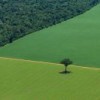
ENERGY-ARGENTINA: Agrofuels Rev Their Engines
In a measure that was delayed by supply problems, this year Argentina is beginning to require that gasoline be mixed with ethanol and diesel fuel with biodiesel, at a proportion of five percent, to possibly reach 20 percent by 2015.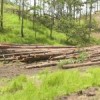
ENVIRONMENT-HONDURAS: Forest Corruption a Major Challenge
The effects of climate change in Honduras have a local accomplice. Not only are forests suffering from global warming; they are also the victim of illegal logging.« Previous Page — Next Page »


Through our global network of local writers, we are continuing our award-winning coverage of global and local environmental challenges, with a focus on the people for whom the ecosphere matters in a direct way: rural dwellers who have little means to protect themselves against adverse conditions; communities that need to switch to sustainable development in order to survive; poor women and children, who are the most vulnerable in natural disasters. Sponsored by the United Nations Environment Program (UNEP), the United Nations Development Program (UNDP) and The World Bank (WB), IPS also maintains the award-winning Tierramérica, a specialised information service on environment and development.

The Week with IPS

Tracking global progress towards a sustainable world


