
Saturday, November 21, 2026



News and Views from the Global South
Environment

AUSTRALIA: Forgotten Victims of Bushfires’ Fury
The fires which swept across 400,000 hectares of bush in the south-eastern Australian state of Victoria in February left 173 people dead and ruined more than two thousand homes. But while they razed businesses, schools and kindergartens to the ground, wildlife and their habitats were also destroyed.DEVELOPMENT: The Second Scramble For Africa Starts
Sub-Saharan African countries have of late become the target of a new form of investment that is strongly reminiscent of colonialism: investors from both industrialised and emerging economies buy or lease large tracts of farm land across the continent, either to guarantee their own food provisions or simply as yet another business.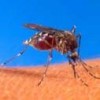
Dengue Spreading and Increasingly Lethal
The mosquito-borne disease dengue is becoming more virulent and lethal in South America.
Electronic Garbage Can Produce Marvels
While learning to recycle electronic waste, young Brazilians are acquiring skills and greater awareness about the impacts of material consumption.
Indigenous Peoples Demand Greater Role in Climate Debate
Indigenous organizations and communities want their voices heard in the international negotiations on how to deal with climate change.Ecobreves – VENEZUELA: Women Defend Coastal Wetland
Dozens of women from the town of Tacarigua, 80 kilometers from Caracas and located within the boundaries of a 39,000-hectare national park, have begun a project for collecting and recycling garbage.Ecobreves – CUBA: Natural Insecticide Production Gets a Boost
A Havana cooperative, beneficiary of the Global Environment Facility's Small Grants Program, is planning an increase in natural insecticide production in order to supply several Cuban provinces.Ecobreves – CHILE: Delay in Carrying Out Environmental Ruling
Nearly three years after Chile's Supreme Court ordered a business owner in the central region of Valparaíso to restore a native forest that had been replaced by a vineyard, the government's forest agency, CONAF, is conducting an appraisal of the site.Ecobreves – HONDURAS: Renewable Energy Classes
The Honduran government has organized training sessions about the production and use of renewable energy, ahead of implementing a series of energy projects in the country's interior over the next sixENERGY: Africa Will Have to Feed EU’s Artificial Biofuels Demand
Earlier in the decade, biofuels were hailed as the energy panacea, the silver bullet to solve oil shortages and abide by environmental concerns. The European Union recently took the lead in imposing the use of these liquid or gaseous fuels made from plants.
PERU: Water Isn’t for Everyone
The melting of glaciers resulting from climate change and the lack of adequate water management policies seem to be the main causes behind the water shortages that are fuelling conflicts in Peru.U.S.: Greens Hail Obama’s OK to Regulate Greenhouse Emissions
U.S. green groups hailed Friday's formal finding by the Environmental Protection Agency (EPA) that carbon dioxide and several other greenhouse gases "endanger" public health and welfare as a landmark – if long overdue – step toward slowing global warming.ENVIRONMENT-BRAZIL: Protecting the Jungle Has a Price
Government officials, business leaders and non-governmental organisations agreed in Brazil on the need for rich countries and companies to "pay" the people of the Amazon jungle as "providers of environmental services" for contributing to the fight against climate change by not deforesting.HEALTH-ARGENTINA: Scientists Reveal Effects of Glyphosate
Glyphosate, the herbicide used on soybeans in Argentina, causes malformations in amphibian embryos, say scientists here who revealed the findings of a study that has not yet been published.
ENVIRONMENT-AFGHANISTAN: Smog Adds to Kabul’s Hazards
On any given day, a pall of smog and dust hangs over Kabul's streets. It clings to the face, burns the eyes, and stains the hands. It bathes the cars, often stuck bumper-to-bumper in traffic, and occludes the view of the distant mountains.DEVELOPMENT: Making Sanitation Sexy
Though the issue of human excreta is often taboo in polite company, human waste and sanitation are starting to take their rightful place in debates about development and human health.ENVIRONMENT: Paper and Fuel Wood Biggest Stresses on Forests
Protecting the earth's nearly 4 billion hectares of remaining forests and replanting those already lost are both essential for restoring the earth's health, an important foundation for the new economy.
SCIENCE: Littering the Cosmos
Tonnes of space garbage is orbiting the Earth and posing serious threats to active satellites and manned space missions, and to astronauts when they conduct space walks outside of their ships.
TRADE-AFRICA: Flip-flops Transformed Into Toys to Save Turtles
Art and fashion, environmental conservation, poverty alleviation and fair trade come together at UniqEco’s Marula Studios in an upscale suburb of Nairobi. A visit to its workshop and display centre is a delight to the eyes as well as an occasion to learn about the problem of marine pollution and its eco-friendly, community-based and business-savvy solutions.
In Peru, Water Isn't For Everyone
The frozen treasure of Peru's glaciers is melting away, leaving the population facing a dry future.
Littering the Cosmos
European scientists are proposing the controlled removal of thousands of dangerous pieces of space debris in the Earth's orbit by sending up robotized missions.« Previous Page — Next Page »


Through our global network of local writers, we are continuing our award-winning coverage of global and local environmental challenges, with a focus on the people for whom the ecosphere matters in a direct way: rural dwellers who have little means to protect themselves against adverse conditions; communities that need to switch to sustainable development in order to survive; poor women and children, who are the most vulnerable in natural disasters. Sponsored by the United Nations Environment Program (UNEP), the United Nations Development Program (UNDP) and The World Bank (WB), IPS also maintains the award-winning Tierramérica, a specialised information service on environment and development.

The Week with IPS

Tracking global progress towards a sustainable world


