Languages
Sunday, September 20, 2026



News and Views from the Global South
Water & Sanitation

SLIDESHOW: When Women Have Land Rights, the Tide Begins to Turn
 In Meghalaya, India’s northeastern biodiversity hotspot, all three major tribes are matrilineal. Children take the mother’s family name, while daughters inherit the family lands.
Europe Stands by Caribbean on Climate Funding
A senior European Union (EU) official in the Caribbean said Europe is ready to continue the global leadership on the fight against climate change, including helping the poor and vulnerable countries in the region.
“Black Soils” – Excessive Use of Arsenic, Cadmium, Lead, Mercury…
Soils are polluted due mostly to human activities that leave excess chemicals in soils used to grow food, the United Nations reports.
The World Is Burning
Record high temperatures are gripping much of the globe and more hot weather are to come. This implies more drought, more food insecurity, more famine and more massive human displacements.
Children Now More Than Half of the 65 Million Displaced
Around 20 people are newly displaced every minute of the day, according to a new report. In its annual Global Trends report, the UN’s refugee agency UNHCR has recorded unprecedented and concerning levels of displacement around the world.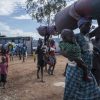
New Inhumane Record: One Person Displaced Every Three Second
Nearly 66 million people were forcibly displaced from their homes last year, the United Nation refugee agency has reported.
Asia-Pacific: Farming Rice and Fish Together to Reduce Poverty
Rice is a major food commodity and staple food for many, and adding fish to flooded rice paddies has been a farming tradition practiced in a number of Asian countries for many centuries—even for more than 1000 years in some Chinese areas, the United Nations reports.
Africa: Drought and Jobless, Hopeless Youth, Fertile Grounds for Extremism
Ignoring the plight of jobless young people in sub-Saharan Africa is a recipe for political instability and global insecurity, warned a high-level symposium of Africa’s interior, environment and foreign affairs ministers in Ouagadougou, Burkina Faso.
Africa Could Help Feed the World – If Its Fertile Land Doesn’t Vanish
The 23rd World Day to Combat Desertification was celebrated in Burkina Faso’s capital of Ouagadougou on June 15 with a call to create two million jobs and restore 10 million hectares of degraded land.
IFAD’s President Houngbo Calls for Investment in Climate-Smart Agriculture for Poverty-Free Future
Implementing climate-smart agriculture is critical to reduce hunger and poverty, according to International Fund for Agricultural Development’s (IFAD) new president Gilbert Houngbo.
The High Price of Desertification: 23 Hectares of Land a Minute
Urban farmer Margaret Gauti Mpofu would do anything to protect the productivity of her land. Healthy soil means she is assured of harvest and enough food and income to look after her family.
Global Coalition Calls for Withdrawal of SDGs Progress Report
A report on the Sustainable Development Goals (SDGs) fails to capture the the true picture of water challenges and the UN must withdraw it, said a global civil society coalition.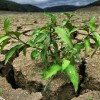
Mideast: Drought to Turn People into Eternal Migrants, Prey to Extremism?
Worldwide, land degradation, severe droughts and advancing desertification are set to force populations to flee their homes and migrate. In the specific case of the Middle East and North of Africa (MENA), such an obliged choice implies the additional risk to turn peoples into easy prey to extremist, terrorist groups.
Heavy Toll of Disrupted Farming, Higher Prices and Displaced Livelihoods
Large agricultural harvests in some regions of the world are buoying global food supply conditions, but protracted fighting and unrest are increasing the ranks of the displaced and hungry elsewhere, according to a United Nations new report.
When Women Have Land Rights, the Tide Begins to Turn
In Meghalaya, India’s northeastern biodiversity hotspot, all three major tribes are matrilineal. Children take the mother’s family name, while daughters inherit the family lands.
Saving the Oceans, Saving the Future: Officials Tackle Marine Pollution
The oceans’ health is only getting worse and the cycle of decline must be reversed, said representatives at the opening of a high-level UN conference.
Charting a Course to a Blue Commonwealth
The United Nations Ocean Conference offers an historic opportunity to safeguard the ocean environment and support small island and vulnerable developing coastal states, who depend on the seas for national economic growth and sustainable development.
Why We Need to Save Our Oceans Now—Not Later
What if the blue fades away as seawaters become brown and coral reefs become white as marine grasslands wither and life below water vanishes?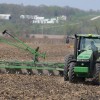
How to Produce More Food with Less Damage to Soil, Water, Forests
Massive agriculture intensification is contributing to increased deforestation, water scarcity, soil depletion and the level of greenhouse gas emission, the United Nations warns.
Business Unusual: Valuing Water for a Sustainable Future
Valuing water is more than simply assigning costs to a scare resource - it is an essential step for transforming water governance to meet the needs of a prosperous future.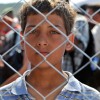
The ‘Water-Employment-Migration’ Explosive Nexus
Water--everybody talks about it, warns against its growing scarcity, excessive waste, the impact of climate change, the frequent severe droughts and so on. Now, a global action network with over 3,000 partner organisations in 183 countries comes to unveil the dangerous nexus between water, employment and migration, in particular in the Mediterranean region.« Previous Page — Next Page »


The Week with IPS

NEXT STOP - SDGs
Tracking global progress towards a sustainable world
Tracking global progress towards a sustainable world
