Languages
Wednesday, November 11, 2026



News and Views from the Global South
Featured

UN Special Session on COVID-19 Must Recognize Right to Health & Access to Vaccines
The holding of this Special Session (the 37th in the history of the UN) is of considerable importance. It is a unique opportunity to define and implement joint actions at the global level to fight the pandemic in order to ensure the right to life and health for all the inhabitants of the Earth. As the President of the UN General Assembly wrote in his letter of convocation: "Let us not forget that none of us are safe until we are all safe".
UN Warns of an Impending Famine With Millions in Danger of Starvation
The numbers are staggering— as reflected in the ongoing coronavirus pandemic which has triggered a new round of food shortages, famine and starvation.
Autocracy on the Rise: Should we Expect Military Spending to Follow?
Autocracies are once again the global majority. The 2020 Democracy Report of the Varieties of Democracy Institute (V-DEM), ‘Autocratization surges, resistance grows’, raises the alarm that while the world in 2019 was substantially more democratic than it was in the 1970s, an ongoing trend of autocratization may reverse this scenario.
Sustainable Measures Help Farmers Script a Positive Story Amid COVID-19 Uncertainty
 As India continues to grapple with the COVID-19 pandemic and a growing number of deaths, farmers here have been fighting a battle of their own against volatile pricing, uncertain demand and lack of access to the market. But in the midst of all this uncertainty, one farming couple in a village near Hyderabad are working towards a food-secure future for themselves using eco-friendly farming techniques.
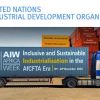
Can Africa’s Third Industrial Development Decade Deliver?
Industrialization and development go hand in hand. There is hardly a country in the world that has developed without building a strong manufacturing base. But for Africa – sometimes referred to as the continent of the future – the fruits of industrialization have often seemed just out of reach.
Q&A: Mro Indigenous Community Plea for Halt of Construction of 5-Star Hotel
The construction of a five-star hotel in the Chittagong Hill Tracts, Bangladesh, could lead to the forced eviction of the Mro indigenous community from their ancestral lands and destroy “the social, economic, traditional and cultural fabric of the community”, warns Amnesty International.But local activist Reng Young Mro told IPS that the international community must rally behind the Mro indigenous community to halt the construction.
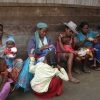
Food as Prevention – Rising to Nutritional Challenges
The risks factors contributing to the dramatic rise in non-communicable diseases (NCDs) in recent decades have been known for a long time but the Covid-19 pandemic has brutally exposed our collective failure to deal with them.
CARE Offers Policies That Engender Success for Young People in Agribusiness
Often cited as Africa’s greatest asset, its youth are also among the most vulnerable and volatile. A large and growing population of talented young people has the potential to drive economic growth and well-being of societies across the continent but, as the African Development Bank warns, current conditions of severe unemployment are translating into poorer living conditions, higher flows of migration, and greater risks of conflict – in short, a social disaster in the making.
It’s Time for Results as Sudan Enters Second Year of NDC Partnership
Earlier this year, when heavy rains caused massive flooding in Sudan, a three-month state of emergency was declared in September. The floods which began in July, were the worst the country experienced in the last three decades and affected some 830,000 people, including 125,000 refugees and internally displaced people.
Does WFP Deserve the Nobel Peace Prize?
On 10 December, representatives for the World Food Programme (WFP) will in Norway receive the Nobel Peace Prize at the Oslo City Hall. This is taking place while the COVID-19 pandemic is causing lock-downs and suffering all over world, limiting agricultural production and disrupting supply chains.
How UN Helped Benin Become World’s Fastest Place to Start a Business via a Mobile Phone
Until recently, Benin was best known for its cotton exports and its vibrant clothing designs. Since this year it is also the fastest place in the world to start a company. By providing a full online service, the government helped entrepreneurs create businesses and jobs during the pandemic. A third of Benin’s new entrepreneurs are women.
World Bank Urges Governments to Guarantee Private Profits
The World Bank has been leading other multilateral development banks (MDBs) and international financial institutions to press developing country governments to ‘de-risk’ infrastructure and other private, especially foreign investments.
From Political Prisoner to Champion of Human Rights – The Wai Wai Nu Story
Instead of being cowed by her seven-year imprisonment, Wai Wai Nu, emerged stronger and more determined to fight for the rights of all people, including the Rohingya in her native Myanmar.
Farmers Will (Again) Feed the World
Wealthier countries struggling to contain the widening COVID-19 pandemic amid protests over lockdowns and restrictions risk ignoring an even greater danger out there – a looming global food emergency.
Japan Should Lead Charge for Equitable Access to COVID-19 Vaccines
Japan should step up and play a role as a global facilitator for equitable access to COVID-19 vaccines, Dr Daisaku Higashi said at a recent Japan Parliamentarians Federation for Population (JPFP) study meeting.
A Potential Weapon Kills Over 1.5 Million Worldwide –Without a Single Shot Being Fired
The world’s major military powers exercise their dominance largely because of their massive weapons arsenals, including sophisticated fighter planes, drones, ballistic missiles, warships, battle tanks, heavy artillery—and nuclear weapons of mass destruction (WMDs).
Tobacco Industry Capitalizes on Pandemic to Increase Influence in Low- and Middle-Income Countries
While the COVID-19 pandemic has elevated public health to a top priority in every country in the world, it has left many poorly resourced governments receptive to any and all aid that can provide immediate assistance to help their people.
My Voice, Our Equal Future! Joining the Chorus of Girls Who Are Speaking up for Change
Girls are change makers and world shapers! When girls speak up, they are a powerful force to be reckoned with.
Youth Demand a ‘Fair Share’ from World Leaders Ahead of G20 Summit
Heads of youth movements and student unions are challenging the world’s richest nations to correct an ‘incredibly unequal’ global response to COVID-19, by considering the plight of the world’s most vulnerable children and young people.
The Importance of Investing in Volunteerism
The International Volunteer Day will approach soon and the 5th of December will become a day to celebrate the actions of millions of volunteers from all over the world, in the south as well in the north of the world.
Bringing Clean Water On Tap To Rural Villages In Polynesian Island Nation Of Tuvalu
Rural communities on one of the nine islands that make up the Polynesian nation of Tuvalu are anticipating how life will change when they are connected to piped clean water for the first time.
« Previous Page — Next Page »





The Week with IPS

NEXT STOP - SDGs
Tracking global progress towards a sustainable world
Tracking global progress towards a sustainable world
