Languages
Wednesday, November 11, 2026



News and Views from the Global South
Featured
The Missing SDG: Ensure the Digital Age Supports People, Planet, Prosperity & Peace
As the nations of the world prepare to gather virtually to assess progress towards the Sustainable Development Goals (SDGs), society is just beginning to imagine what a post-COVID world might be like.
Q&A: Child Marriage, FGM and Harmful Practices on Women’s Bodies to Increase Because of COVID-19
An additional 5.6 million child marriages can be expected because of the coronavirus pandemic, which resulted in a short-term increase in poverty and the shutdown of schools. The current pandemic is also expected to have a massive impact on the projected growth of harmful practices on women’s bodies.
Beyond Ending Conflict in Africa, We Must Tackle its Root Causes
Hanna Tetteh is the United Nations Under-Secretary-General and Special Representative of the Secretary-General to the African Union. As head of the UN Office to the African Union (UNOAU), she spoke with Africa Renewal’s Kingsley Ighobor on, among other issues, the current state of the UN-AU partnership and how women and young people can help resolve conflict.
Global Economic Recovery must Prioritise Restructuring of Debt for Developing Countries
Unless there is a restructuring of debt for developing countries, the servicing for this debt will take away valuable resources from these nations that are needed to prevent the further suffering of people during the coronavirus pandemic -- particularly with regards to safeguarding the health systems, and protecting the “integrity and resilience of economies”.
Rethink Food Security and Nutrition Following Covid-19 Pandemic
The Covid-19 crisis has had several unexpected effects, including renewed attention to food security concerns. Earlier understandings of food security in terms of production self-sufficiency have given way to importing supplies since late 20th century promotion of trade liberalization.
Why Accelerating Implementation of AfCFTA Must Remain a Top Priority
1 July 2020 was supposed to be the official date to start trading under the African Continental Free Trade Area (AfCFTA). It was a much-anticipated follow up to the 2019 African Union Summit, that launched the operational phase of the AfCFTA in a colorful ceremony in Niamey – Niger.
Nuclear Testing, Never Again
Seventy-five years ago, on July 16, the United States detonated the world’s first nuclear weapons test explosion in the New Mexican desert. Just three weeks later, U.S. Air Force B-29 bombers executed surprise atomic bomb attacks on the cities of Hiroshima and Nagasaki, killing at least 214,000 people by the end of 1945, and injuring untold thousands more who died in the years afterward.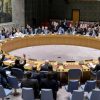
Cover-up at the UN: You Scratch My Back & I’ll Scratch Yours
The ongoing battle between China and the United States is threatening to paralyze the most powerful body at the United Nations – the 15-member Security Council (UNSC)—which has virtually gone MIA (missing in action) on some of the key politically-sensitive issues of the day.
The Goan Village Women Helping Mitigate Plastic Pollution by Making Eco-friendly Sanitary Pads
Jayashree Parwar has not traveled much outside of her village of Bicholim in the western coastal Indian state of Goa. But the homemaker-turned-social-entrepreneur has been reaching women in dozens of cities across the country with a hygiene product she makes at home along with women from her community. Called Sakhi (friend in Hindi), the plastic-free sanitary pad is Goa’s first menstrual hygiene product made with organic materials.
”Murder Most Foul” – the Death of Olof Palme
Just as the U.S. is haunted by the 1963 murder of John F. Kennedy, Sweden is troubled by the 1986 murder of its Prime Minister Olof Palme. The American feelings were aired on Bob Dylan´s latest album, Rough and Rowdy Ways, containing a 16 minutes long song with lines like:
India’s Test along the Line of Actual Control
Being the sole candidate from the Asia Pacific region for the non-permanent seat of the United Nations Security Council (UNSC), India was elected by 184 votes in the 193-member United Nations’ General Assembly. on June 17, 2020.
Are We Going from San Francisco?
Seventy-five years ago, on 26 June 1945, before the Japanese surrender ending the Second World War, fifty nations gathered at San Francisco’s Opera House to sign the United Nations (UN) Charter.
Africa’s Post-pandemic Future Needs to Embrace Youth in Agriculture
Warnings at the early stages of the COVID-19 pandemic that Africa could be hit by a wave of up to 10 million cases within six months thankfully now seem unfounded, although it is still far too early to be over-confident.
COVID-19 Pandemic Could Widen Existing Inequalities for Kenya’s Women in Business
Pauline Akwacha’s popular chain of eateries, famously known as Kakwacha Hangover Hotels and situated at the heart of Kisumu City's lakeside in Kenya, is facing its most daunting challenge yet. Akwacha and other women in business across this East African nation are bracing themselves for the post-COVID-19 economy.
Indigenous Farmers Harvest Water with Small Dams in Peru’s Andes Highlands
A communally built small dam at almost 3,500 meters above sea level supplies water to small-scale farmer Cristina Azpur and her two young daughters in Peru's Andes highlands, where they face water shortages exacerbated by climate change.
Safety of Children an Afterthought for Tech Companies
Global upheaval caused by the COVID-19 pandemic has left society’s most vulnerable exposed. Instances of child sexual exploitation material (CSEM) found online have increased at an alarming rate over past months.
Sudan’s Partners Pledge almost $2Bn but Is it Enough?
This week, when Sudan's Minister of Energy and Mining Adil Ibrahim addressed the country, stating that households will face power-cuts for up to seven hours a day, people had already been sitting on plastic chairs outside their homes, scouring the internet to purchase battery-operated fans. This Northeast African nation has seen temperature highs of up to 41 degrees Celsius recently.
Q&A: Post COVID-19 Pandemic Let’s Stop the Next Wave of Medicalisation over Mental Health
The current pandemic is not only heightening mental health concerns, but might also put many at risk of becoming institutionalised or being neglected by the system.
African Governments Failing Survivors of Child Sexual Exploitation
In Malawi, Mary* was only 14 years old when she was recruited and trafficked to the city of Blantyre and sold for sex in a bar. A man had arrived in her village looking for girls to work as domestic helpers for families.
The Best Law Capital Can Buy
Katharina Pistor’s recent book, The Code of Capital: How the law creates wealth and inequality shows how law has been crucial to the creation of capital, and how capital continues to survive, evolve and enhance its ability to ‘make money’, or secure wealth legally, i.e., through the law.
COVID-19 Increases Suffering of Children in Conflict
The current coronavirus pandemic is having a profound affect on children in conflict zones -- with girls especially being at higher risk of violence and sexual health concerns.« Previous Page — Next Page »





The Week with IPS

NEXT STOP - SDGs
Tracking global progress towards a sustainable world
Tracking global progress towards a sustainable world
