Languages
Wednesday, November 11, 2026



News and Views from the Global South
Featured
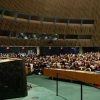
The US & the UN — A Looming Confrontation
The recent approach of the US to the UN and its agencies has left many shaking their heads. The US, under President Roosevelt, played a seminal role in creating the UN and its key agencies after World War II and subsequently nurturing them.
Senegalese Women’s Participation in Energy Sector equals Empowerment
Aïssata Ba, 45-year-old widow and mother of seven children, has been practising market gardening for the past 30 years in Lompoul Sur Mer village in the Niayes area of north-west Senegal. For many women in the village, endowed with fertile soil and favourable climate, it is the primary source of income throughout the year.
The UN’s Failure to Act on Race
Racism is not only an American problem but a plague that people of African descent have had to endure since time immemorial. Rather than seizing this historic moment to act decisively, the United Nations, the world’s highest platform for human rights, dithered on the issue when it was called on to establish a full commission of inquiry on race following the outrageous killing of George Floyd on May 25 2020.
E-learning Divide Places World’s Disadvantaged Children at Risk of Dropping Out
The COVID-19 pandemic has brought a new layer of challenges to inclusive education. As many as 40 percent of low and lower-middle income countries having not supported disadvantaged learners during temporary school shutdowns, finds United Nations Educational, Scientific and Cultural Organization’s 2020 Global Education Monitoring Report released today, Jun. 23.
Unlawful Use of Force by Police at Protests Across the US
Police forces across the United States have committed widespread and egregious human rights violations in response to largely peaceful assemblies protesting systemic racism and police violence, including the killing of Black people.
Racism, Shitholes and Re-election
Over the course of his presidency, US President Donald Trump’s racism has become more evident with more leaks of his private remarks, which he has been generally quick to deny, qualify and explain away.
Message to Ostracized World Leaders: You Don’t Need a US Visa to Address the UN
The coronavirus pandemic is beginning to transform the United Nations into an institution far beyond recognition. The Secretariat building has been shut down since mid-March, and the UN campus will continue to remain a ghost town through end July-- and perhaps beyond-- with nearly 3,000 staffers, delegates and journalists working, mostly from home.
Sudan, Where Illegal Abortions remain Dangerous and Deadly
Omnia Nabil*, a Sudanese doctor, who worked in one of the largest hospitals in Khartoum, the country’s capital, was devastated to witness the deaths of 50 young women who had unsafe abortions during a space of just three months.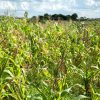
Agriculture: Rooted in Racism
There has been far less social progress in the United States in the last 155 years than many people would like to believe. In 2020, racism still seeps its way into every aspect of life; from unconscious bias and micro-aggressions in everyday interactions to domestic and international policy and enforcement.
Helping Bangladesh Recover from COVID-19
One of the most densely populated countries in the world, Bangladesh exemplifies the triple blow that many emerging market countries have suffered from COVID-19: domestic slowdown caused by the disease and the efforts to contain its spread; a sharp decline in exports, particularly in the ready-made garment sector, and a drop in remittances. Its once robust economy has dramatically slowed in recent months.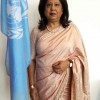
Q&A: Sexual Violence Survivors and their Access to Care Should not Be Forgotten
While the coronavirus does not discriminate, its impact does. And the needs of survivors of sexual violence in conflict "cannot be put on pause, and neither can the response” during the current COVID-19 pandemic.
Post-harvest Losses Becomes Tanzania’s Loss in Youth Farming
As she says goodbye to a group of her friends, Esther Ishabakaki asks whether any of them knows a good tailor who might be interested in joining her newly-opened clothing business. It’s a venture she started three months ago after quitting her farming venture.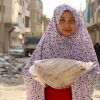
Sanctions, Amid COVID-19 Pandemic, Will Lead to Humanitarian Catastrophe
The Covid-19 pandemic has spread across the world. Although the numbers of infections and deaths vary between countries, they are increasing dramatically in some places, threatening people's health as well as the basis of their economic and social lives.
Food Insecurity Concerns for Latin America and the Caribbean
The multi-dimensional impacts of the coronavirus pandemic in Latin America could lead to a “hunger pandemic” if not addressed with urgency.
Scourge of Racism Violates UN Charter
I welcome this opportunity to speak to this urgent and necessary debate of the Human Rights Council. I bring you warm greetings from Secretary-General António Guterres, who shares your abhorrence of racism and is committed to fighting it with every tool we have.
The Great Lockdown Through a Global Lens
The Great Lockdown is expected to play out in three phases, first as countries enter the lockdown, then as they exit, and finally as they escape the lockdown when there is a medical solution to the pandemic.
Why Rwanda is a Great Green Growth Investment
In its effort to accelerate Rwanda's green growth development initiative, its local businesses encouraged their Italian counterparts to invest in the East Africa region.
Women Leadership Is Key to Successful Post-COVID-19 Era, Says Cherie Blair
The impact of COVID-19 lockdowns falls heavily on the shoulders of women even in the global north. Women take the brunt of housework and caretaking duties, homes schooling, working from home and perhaps looking after elderly parents, says Cherie Blair.
When Old Age Catches Up, Even Nuclear Weapons Go into Retirement
The world’s stockpile of nuclear weapons—estimated at over 13,400 at the beginning of 2020 – have a least one thing in common with humans: they are “retired” when they reach old age.
Predicting COVID-19 Infection Fatality Rates Around the World
The world saw more new confirmed COVID-19 cases last week than any week to date. And as the pandemic grows, its epicenter is moving from advanced economies to more developing countries, including Brazil, India, and South Africa.
Agroecology Strengthens Farmers’ Resilience But Highly Underfunded in Africa
With just a quarter of an acre of land in Kesses near Kenya’s Eldoret town in the Rift Valley region, Samson Tanui is practising agroecology and his permaculture unit has become the centre of attraction for farmers from near and afar amid food shortages during the current COVID-19 pandemic.« Previous Page — Next Page »





The Week with IPS

NEXT STOP - SDGs
Tracking global progress towards a sustainable world
Tracking global progress towards a sustainable world
