Languages
Saturday, October 24, 2026



News and Views from the Global South
Gender
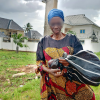
In Africa, Witch Branding Destroys Elderly Women’s Lives
One day in October 2020, Serah Akpan, 70, was seated in her house at Boki Local Government in Cross River, southern Nigeria, when she heard the murmurings of irate youth outside. Before she could grasp what was really happening, they had broken into her house, bundled her outside, and threatened to kill her for allegedly being a witch.
Myanmar’s Military Catastrophe: Three Years and Counting
The military must have expected an easier ride. Three years ago, it ousted Myanmar’s democratically elected government. But the coup has been met with fierce resistance, unleashing a bloody conflict with no end in sight.
Poverty and Inequality Mark Rural Life in Latin America
Rural life in Latin America and the Caribbean continues to be marked by poverty and inequality compared to the towns and cities where the vast majority of the population lives. A new focus on rural life in the region could help reveal and address the challenges and neglect faced by people in the countryside.
African Women on the Frontline of Peacekeeping
For over a year, a group of United Nations peacekeepers from Ghana led by Captain Esinam Baah regularly patrolled the “blue line” or the demarcation line between Lebanon and Israel, and visited neighbourhoods in the area, checking in with local families and making sure they were safe.
Hindu Woman Doctor Confident of Election In Pakistan Polls
A woman medical graduate from the Hindu community is making waves, as she is the first minority woman to contest the Pakistan Parliamentary election for a general seat, and she does so in the face of deep-rooted religious traditions and wealthy political opponents. Dr Saveera Parkash, a nominee of the Pakistan People’s Party (PPP) for the February 8 polls, is sure of her victory despite her religion.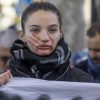
The Global Femicide Epidemic
‘Per Giulia e per tutte’ (‘For Giulia and for all’) echoed through the streets of Italy in mid-November 2023. Thousands of women, activists and supporters gathered to protest and show solidarity with the 22-year-old student Giulia Cecchettin, who was killed by her ex-boyfriend on the night of 11 November 2023.
Iran, Back to the Grim Normal
Iran’s time of public rebellion has ended. The protesters marching, chanting, and dancing under the ‘Woman, Life, Freedom’ banner have long stopped. And shifting regional dynamics may play to the regime’s favour.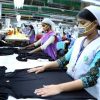
Here’s How We Can Improve Women’s Participation in International Trade For Economic Prosperity
The World Economic Forum is hosting world leaders in Davos from January 15-19 2024. One of the key themes for the forum this year is “Creating Growth and Jobs for a New Era” with a focus on creating economic gender parity.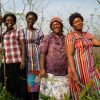
The World’s Richest Men Leave Women Far Behind—Amid Rising Economic Inequalities
The world’s rich are getting progressively richer while the world’s poor continue to be increasingly poorer. In a new report released January 15, Oxfam says the wealth of the world’s five richest men has doubled since 2020 –even as five billion people were made poorer in a “decade of division.”
How Afghan Women Connect and Learn in the Face of Taliban Restrictions
The prevalence of social media usage among Afghan women and girls has surged since the Taliban assumed control of the country in August 2021. Faced with restrictions confining them to their homes, many women find solace in the messaging app WhatsApp.
There Is No Democracy Without Gender Equality
Violence against women and girls is one of the most widespread and persistent abuses of fundamental rights at a global level that, to a certain extent, derives from what we consider "normal" in our societies. In addition to firmly condemning that every three women in the world suffer from physical or sexual violence, we must question what we are normalizing as a society for this to happen.
Fear as Russian Anti-LGBT Law Comes into Effect
“This is what you get after ten years of state propaganda and brainwashing,” says Anatolii*. The Moscow-based LGBT rights activist’s ire is directed at a recent ruling by Russia’s Supreme Court declaring the “international LGBT movement” an extremist organization.
Europe’s Shift to the Far Right and its Impact on Immigration
The recent elections in the Netherlands signals the increasing power of the far right in Europe. The populist party of Geert Wilders, the Party for Freedom, won a decisive, albeit unexpected, victory taking 37 seats out the 150 seat in parliament. Wilders will likely be the head of the next Government. His policies include stopping all immigration into the Netherlands, holding a referendum on leaving the EU, and banning mosques and the Quran.
South Asian Women, Girls Need Responsive Legal System to Gender Violence
Criminal justice systems in South Asia are failing women, despite stark statistics on the prevalence of violence. WHO estimates translate to one in every two women and girls in the region experiencing violence daily.
Saving Energy, Saving Forests: How Kindle Stoves Are Changing Women’s Lives
Five years ago, farmer Sehlisiwe Sibanda would walk into a nearby forested area to fill a scotch cart with huge wood logs for cooking and heating; a pile of firewood would last her a week during the summer. But now she does not need a cartful of huge logs. Small branches and twigs are enough to last for more than a month.
UN and Humanitarian Partners Seek USD 46 Billion for Humanitarian Assistance
Funding humanitarian programs will continue into the new year, but the funding cuts of the previous year may impact the prioritization of the most immediate and most life-threatening needs. The Office for the Coordination of Humanitarian Affairs (OCHA) released the Global Humanitarian Overview (GHO) for 2024. This annual assessment of the global humanitarian sector provides insight into the humanitarian action undertaken by the UN and its partners and reviews current and future trends in this sector.
Peru’s Andean Peoples ‘Revive’ Water that the Climate Crisis Is Taking From Them
"The rich world has caused the climate change that is drying up our water sources, and here we are doing everything we can to recover them because otherwise we will die," said Juan Hilario Quispe, president of the small farming community of Muñapata, just over 50 kilometers from the Peruvian city of Cuzco.
Shock Femicide Forces Italy To Face Its Problem With Gender-Based Violence
Giulia Cecchettin had a bright future ahead of her. A smart 22-year-old, she was days away from graduating in biomedical engineering at Padua University. She was a loving sister to her two siblings, helping her father cope after the premature passing of her mother due to cancer in October 2022. Her sweetness and generosity of spirit made her popular with her peers. She only had one problem. Her ex-boyfriend and course mate Filippo Turetta could not accept the end of their relationship.
From Dancing ‘For a Living’ to Dancing For ‘Women’s Dignity’
At first, he danced for money, but later on, he realized the need to dance for sanitary pads in order to help poor girls and women. Now, 29-year-old Proud Mugunhu conducts dance tutorials that earn him 100 pads from each session.
Latvia: A Vital First Step Towards Marriage Equality
Last month the Saeima, Latvia’s parliament, passed a package of eight laws recognising same-sex civil unions and associated rights. The new legislation came in response to a 2020 Constitutional Court ruling that established that same-sex couples have a constitutional right to the benefits and legal protections afforded to married opposite-sex couples.
Charting Out a Sustainable Path for Island, Coastal Communities Facing Climate Crisis
There is an irreparable connection between culture and the seas: loss of land due to rising sea levels and loss of livelihood due to changing fish migration patterns are having a massive impact on coastal communities.« Previous Page — Next Page »





Women make up half the world's population, but don't nearly share half of the world's wealth, well-being and opportunity. Two-thirds of the world poor are women, disproportionally exposing women to precarious living conditions, disease and unmitigated natural disasters. The media, meanwhile, remains a male-dominated sector in much of the world, contributing to women's voices lacking a crucial amplifier to put their concerns on political agendas and unleash the development potential of their ingenuity. Rather than then stereotypical victims of local and global forces, women are also organizer, innovators, conservators and community builders. These are some of their stories.

The Week with IPS

NEXT STOP - SDGs
Tracking global progress towards a sustainable world
Tracking global progress towards a sustainable world
