Languages
Saturday, November 28, 2026



News and Views from the Global South
Global Governance
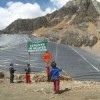
PERU: Transparency a Challenge for Mining and Oil
Peru is the only Latin American country that has made steps towards joining the international Extractive Industries Transparency Initiative (EITI), but has a difficult stretch ahead as it tries to overcome industry resistance to reporting profits and the government's own obstacles.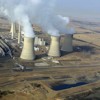
WORLD: Cooking Up a Climate Deal
Another round of negotiations towards a global treaty on climate change concluded in Bonn on Aug. 6, with activists calling on parties to rediscover a spirit of compromise and make offers rather than demands.
CLIMATE CHANGE: Native People Demand Autonomy Over Territory
In the view of governments, international bodies and some sectors of civil society participating in negotiations towards new global rules on cutting greenhouse gas emissions, the REDD programme is the last chance to save tropical rainforests.COLOMBIA: Dismal Human Rights Record Has Not Dented Uribe’s Popularity
Colombian President Álvaro Uribe ends his second consecutive term Saturday with 75 percent approval ratings and strong international support reflected by his designation this week as vice chair of a United Nations-appointed international panel to investigate Israel's attack on a flotilla of ships carrying humanitarian aid to Gaza in May.IRAN: Eyes on the Skies Over Bushehr Nuclear Reactor
Iran's light water nuclear power plant at Bushehr is preparing to go "live" - again.COSTA RICA: Working Towards Carbon Neutrality
With the elimination of certain taxes and the implementation of several green initiatives, Costa Rica is pressing forward in its aim to promote sustainable energy generation with a view to achieving "carbon neutrality" by 2021, the year this country will celebrate two centuries of independence.Chile to Straddle Line Between Rich and Poor Nations
The 130 developing countries at the United Nations remain divided over Chile's decision to hold onto its seat in the Group of 77 (G77) - even after it formally joined the exclusive club of rich nations, the Organisation for Economic Cooperation and Development (OECD).CLIMATE CHANGE: Cancun May Deliver Little
Little hope has emerged from a meeting here of any binding international regulations to reduce greenhouse gases at the next UN conference on climate change scheduled for November and December in Cancun, Mexico.
ECONOMY: Rich Countries’ Farm Subsidies Benefiting Royals
Subsidies for agriculture in the industrialised countries of the world grew again in 2009, benefiting the largest companies and land owners, such as Prince Albert of Monaco and Queen Elizabeth of Britain.
When Agrochemical Corporations Invented Nature
A civil society protest against a British agrochemical company that claims it has invented a particular sort of broccoli has again focused attention on the question who owns natural biodiversity, especially vegetables, seeds, and many forms of meat and animal food products.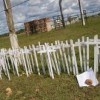
RIGHTS-COLOMBIA: A Cemetery Full of Questions
The most determined attempt by the far-right paramilitaries to establish a presence in this town in central Colombia ended in failure.Transport Workers Fear Job Losses from Climate Change Action
Transport workers are concerned that measures to mitigate climate change, like greenhouse gas emissions reduction, may put their jobs at risk, while experts are urging a transformation of the predominant transport model worldwide.Iran Benefits from Arab Disillusion with Obama
U.S. President Barack Obama has suffered a sharp drop in popularity in the Arab world over the past year, and Iran may be reaping the benefits, according to a major new survey of public opinion in five Arab countries released here Thursday.
Q&A: “Incomprehensible” Absence of Women in Global Environment Policy
There is a vacuum in the various texts that currently regulate global policy against climate change: specific mention of the effects of global warming on women and of the role women can play in protecting the environment.
Few Govts Answer U.N. Queries on Peacekeeper Scandals
As the U.N. investigates new allegations of sexual abuse by peacekeepers in the Democratic Republic of Congo, most troop contributing countries continue to evade accounting for how they handle disciplinary actions.POLITICS: Laos Takes Centre Stage in Cluster Bombs Treaty
After being relegated to the shadows for decades by its more powerful neighbours, Laos is finally taking the lead role in a global campaign to ban the use of cluster bombs.SOUTHERN AFRICA: Removing Barriers to Trade
Cecilia Gondwe waits in the shade of a tree at the Mwanza Border Post between Malawi and Mozambique. Somewhere inside, a clearing agent is completing elaborate paperwork on her behalf.FILM: Music for a New Abolitionist Movement
Musician Justin Dillon had been reading about human trafficking before he went on tour to Eastern Europe. In Russia, his young female translator told him about offers she was receiving to move west for jobs that seemed too good to be true - and with no paperwork to back them up.Ecuador Signs Deal Not to Drill in Amazon Nature Reserve
"The trust fund that we have just established is historic, not only for Ecuador but for the entire world," said Rebeca Grynspan, associate administrator of the United Nations Development Programme (UNDP), after signing an agreement with the government of Rafael Correa to leave 846 million barrels of oil under the ground in a pristine Amazon jungle wildlife reserve.RIGHTS-JAPAN: Social Fallout of Atomic Bombings Hounds Survivors
With her knees shaking and her heart thudding, Toshiko Hamamako rose to address the audience. But it was more than stage fright.CAMBODIA: Demining Efforts Trip over Donor Fatigue
On the first day of May, a deadly reminder from the turbulent past exploded in one of Cambodia’s provinces.« Previous Page — Next Page »


The Week with IPS

NEXT STOP - SDGs
Tracking global progress towards a sustainable world
