Languages
Thursday, November 19, 2026



News and Views from the Global South
Africa
Morphine Kills Pain but its Price Kills Patients
It took Gily Ncube’s daughters two weeks to sell enough chickens to raise the 18 dollars needed to buy the morphine tablets their mother takes every four hours.
Slum Dwellers Say “No” to Blood Money
With less than two months before Kenyans head to the polls for what is shaping up to be the most competitive and polarised general election in the country’s history, many fear that this East African country of over 40 million has not seen the last of electoral violence.
Unemployed Youth Turn to Drugs
The air is heavy with the smell of marijuana as Gibrilla (23) expertly rolls a large joint at the Members of Blood (M.O.B) gang base in a poor neighbourhood of Sierra Leone’s capital, Freetown.
A River Runs Dry in Tanzania
Avelina Elias Mkenda, a 52-year-old small-scale farmer in the Mbarali district of Tanzania’s southwestern Mbeya region, can sense a change in her environment.
Abandoning Nuclear Weapons – Lessons from South Africa
Not many nice things can be said about the apartheid regime in South Africa. It was racist, violent in the brutal oppression of many of its own citizens, and was despised around the world.
Q&A: Global Ban Another Tool in the Fight Against FGM
For the estimated 140 million girls and women living with the consequences of Female Genital Mutilation (FGM), it is already too late. But since a global ban on FGM was passed at the end of last year, activists hope many more will now escape this brutal practice.CAR Rebels Halt Advance on Capital
Rebels in Central African Republic have said they have halted their advance on the capital, Bangui, and would participate in dialogue, as head of regional African forces warned them against making further moves.
The Rise of Ethiopia’s Sole Rebels
Innovative Ethiopian footwear manufacturer Sole Rebels will open its second retail outlet in Taiwan this year. With ambitions to open 30 more franchise stores across the world in countries like the United States, Australia, Italy and Japan, Sole Rebels, the largest African footwear brand, is now fast becoming a global competitive brand.
Reviving Family Farming in Angola, Carrot by Carrot
"We never used to eat carrots, but now we like them," said Rebeca Soba, admiring her vegetable garden, an island of diversity in the midst of a vast sugarcane plantation. Vegetable gardening has been introduced at the Capanda Agroindustrial Pole (PAC) as a source of income for local small farmers.
Africa Can Develop Faster than Developed World
 Africa presently only contributes about three percent of global GDP, with South Africa contributing around one percent.

Q&A: Depending on Democracy to Deliver Sustainable Development
"Accelerating environmental pressures and growing economic inequality are triggering huge social changes around the world, putting existing democracies to the test,” Halina Ward, director of the London-based Foundation for Democracy and Sustainable Development, tells IPS.
Grandmothers Taking the Lead Against Female Genital Mutilation
In the southern Senegal village of Kael Bessel, female genital mutilation is no longer a taboo subject. Sexagenarian Fatoumata Sabaly speaks freely about female circumcision and girls' rights with her friends.
Increasing Uganda’s Cotton and Coffee Production
Cotton was once one of Uganda's key cash crops but a collapse in world prices in the 1980s led to a slump in the market and production. However, cotton production doubled in the 2010/2011 season and brought in 48 million dollars in export earnings.

The Rise of Uganda’s Tobacco Production
Over the years with the demise of cotton production, tobacco has become one of Uganda's key exports.
Six years after British American Tobacco set up regional headquarters in this East African nation, it has become a key tobacco producer for the company.
Kinshasa Graveyard Home to Hundreds
Despite the health risks, officials say hundreds of families are living in a cemetery in the Congolese capital, Kinshasa. Municipal authorities seem powerless to act.
BRICS Seeks New Dialogue with Africa
South Africa plans to boost links between Africa and its partners in the Brazil, Russia, India and China alliance at a landmark summit, which will be held in this country in March, Xavier Carim, deputy director general at the Department of Trade and Industry, told IPS.
Sierra Leone’s Waters of Life
A coastal city, Sierra Leone's capital, Freetown, is an area where people have relied on the ocean for food and employment for as long as they have lived there.
Kenya’s Growing Luxury Housing Market Not for Locals
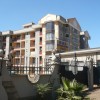
Despite the development boom in state-of-the-art luxury homes in Kenya, the country’s upper class has fallen on hard times and can no longer afford them, according to economic experts here. Instead, Kenya’s formerly wealthy have now become part of the continent’s growing middle class.
Africa – Rising Investments, Rising Middle Class
Rising investments in Africa's service sector, the unlocking of its vast natural resources and the sound economic policies pursued by African countries in the last two decades are spurring the rise of the continent's middle class at a faster rate than population growth.
Q&A: Will the BRICS Bury IBSA?
China’s presence in the leading developing nations alliance of Brazil, Russia, India and China has given the bloc an advantage that another developing nations club, India, Brazil and South Africa, has hitherto been lacking, according to Peter Draper, one of South Africa’s leading experts on international relations and trade.
Africa Cashes in on Mineral Wealth
Many of the fastest-growing countries in the world are in Africa, the poorest continent on the planet, but the potential for recently-discovered resources to generate broad-based inclusive development opportunities is massive and remains under-exploited.
« Previous Page — Next Page » *#*

The Week with IPS

NEXT STOP - SDGs
Tracking global progress towards a sustainable world
Tracking global progress towards a sustainable world
