Languages
Wednesday, November 11, 2026



News and Views from the Global South
Democracy
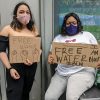
George Floyd: US’ Week of Broken Glass and Broken Dreams
The United States has been a story of broken dreams and broken glass this past week. Once again, an unarmed black man died at the hands of a white police officer, with George Floyd being pinned to the ground under a lawman’s knee in Minneapolis, Minnesota, as stunned passersby made cell-phone videos of the incident to post on social media.
‘I Can’t Breathe!’ Australia Must Look in the Mirror to See our Own Deaths in Custody
I can’t breathe, please! Let me up, please! I can’t breathe! I can’t breathe! These words are not the words of George Floyd or Eric Garner. They weren’t uttered on the streets of Minneapolis or New York. These are the final words of a 26-year-old Dunghutti man who died in a prison in south-eastern Sydney.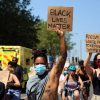
The Pandemic Underlines America’s Ingrained Racism
The murder of George Floyd by a police officer in broad daylight came amid a high point in the continuing rampage of the coronavirus throughout the country, killing over 100,000 and infecting nearly 2 million while more than 45 million have lost their jobs.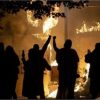
As Minneapolis Burns, Trump’s Presidency is Sinking Deeper into Crisis. And yet, he may still be Re-elected
Violence has erupted across several US cities after the death of a black man, George Floyd, who was shown on video gasping for breath as a white police officer, Derek Chauvin, knelt on his neck. The unrest poses serious challenges for President Donald Trump and former Vice President Joe Biden as each man readies his campaign for the November 3 election.
Is the Fight for Human Rights & Racial Justice Overriding the Coronavirus Risk?
The deadly coronavirus pandemic, which has claimed the lives of over 372,000 people worldwide, has reinforced the concept of “social distancing” which bars any gathering of over 10 or 20 people – whether at a social event, a wedding, a political rally or even a funeral.
UN@75 & the Future We Want
Crises make us think smaller. When everything is uncertain, we turn inward: to our families, our communities, the immediate needs around us. We focus on the essential and the immediate; we survive.
On the Agenda of Iraq’s New Government: An Empty Treasury, Low Revenue, and COVID-19
Iraq’s newly-announced leader has brought hope to a country embroiled in a 17-year-long conflict, but authorities must ensure that issues such as swift and rapid response to COVID-19, security concerns, and corruption among others are addressed with urgency, experts said on Tuesday.
Governments Cautioned Not to Use COVID-19 Lockdown to Cause Harm
 The United Nations High Commissioner for Human Rights is calling on governments and leaders around the world to ensure that their respective lockdown measurements don’t end up causing harm to people by those enforcing the lockdowns.

On World Press Freedom Day, the EU Must Rescue Media Independence in Hungary Before It’s Too Late
Censorship, smear campaigns and harassment. These are just some of the daily struggles that media professionals are facing in Hungary. And now the threat of jail time may be looming. In the context of World Press Freedom Day, there is little to celebrate in the Eastern Bloc region.
A Gender-equal Ethiopian Parliament can Improve the Lives of all Women
Recent gains by women in the Ethiopian political landscape offer a chance to improve gender equality around the country and put an end to long-standing societal iniquities. Since coming to power in 2018, Prime Minister Abiy Ahmed has reorganised the cabinet to ensure that 50 percent of the government’s top ministerial positions have been given to women.
Chinese vs. Western Governance: The case of COVID-19
During January the onslaught in the Western media, notably the US and the UK, against the Chinese government’s handling of the Covid-19 epidemic, was merciless. The Chinese government stood accused of an inhumane attitude towards its people, secrecy, a cover-up, and an overwhelming concern for its own survival above all other considerations.
Polycephaly* in Afghanistan: Failure of the US or Curse of History
The fourth and last presidential election in Afghanistan on 28 September 2019 was yet another setback to the democratic process. Not only did it take months for the Independent Election Commission to announce the results but they were again marred by allegations of massive fraud that culminated with two candidates declaring themselves as winners.
A Woman Peacebuilder’s Reflections on Beijing+25 & the Generation Equality Forum
Where are the women and youth peacebuilders in the Beijing+25 and the Generation Equality Forum processes? Their absence raises serious questions about the effectivity and coherence of the work of the UN on gender equality since armed conflict is both a cause and a consequence of gender inequality.
Journalists Tell Slovakia’s PM-elect: ‘Thanks, but No Thanks’
Plans announced by Slovakia’s prime minister-elect to fund investigative journalists to act as corruption watchdogs on government and state bodies have been dismissed as “a road to hell” by local journalists.
Personal Conviction Versus Fandom: The Case of Mitt Romney
The great American impeachment show has ended not with a bang, but with a whimper. The dirt was washed away from President Trump, the perfect Teflon Guy. Maybe his invulnerability comes from the fact that he appears to be more of a brand than a real person, adapted to a frame of mind that increasingly dominates social media – cheap entertainment, shallowness, vulgarity, invectives, and catchy phrases without support in well-founded facts. Trump is all and nothing, a shape shifting trickster pretending to be the role model for voiceless masses.
A Glut of Arms: Curbing the Threat to Venezuela from Violent Groups
Power in Venezuela is slipping away from state institutions and concentrating in the hands of criminals, guerrillas and other non-state actors. Any new negotiations between government and opposition must consider how to defang these armed irregulars, who might otherwise scuttle an eventual settlement.
UN Chief Should Lead by Example on Human Rights
United Nations Secretary-General Antonio Guterres has long needed to overhaul his approach to human rights. Hopefully his call to action announced in Geneva yesterday is the start of something new.
How Nigeria’s Police used Telecom Surveillance to Lure & Arrest Journalists
As reporters for Nigeria’s Premium Times newspaper, Samuel Ogundipe and Azeezat Adedigba told CPJ they spoke often over the phone. They had no idea that their regular conversations about work and their personal lives were creating a record of their friendship.
Venezuela: Violent Abuses in Illegal Gold Mines
Residents of Venezuela’s southern Bolívar state are suffering amputations and other horrific abuses at the hands of armed groups, including Venezuelan groups called “syndicates” in the area and Colombian armed groups operating in the region, both of which exercise control over gold mines, Human Rights Watch said Tuesday, February 4.
Cybersecurity Threats Call for a Global Response
Last March, Operation Taiex led to the arrest of the gang leader behind the Carbanak and Cobalt malware attacks on over 100 financial institutions worldwide.
India’s Citizenship Law Triggered by Rising Right-Wing Ideology
“Fire bullets at the traitors of the country,” chanted mobs of Bharatiya Janata Party, or BJP, supporters wrapped in Indian flags in Delhi last week.« Previous Page — Next Page »





The Week with IPS

NEXT STOP - SDGs
Tracking global progress towards a sustainable world
Tracking global progress towards a sustainable world
