
Wednesday, November 25, 2026



News and Views from the Global South
Environment
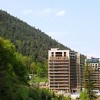
BIODIVERSITY: Developers Stalk the Carpathians
When the Slovakian government moved to open Tatra National Park to developers, last month, it did not consult experts or the public. Other protected sites across Central and Eastern Europe are said to be equally vulnerable.
Haiti Asks Expat Professionals to Return and Help
Members of the Haitian diaspora responded with "massive and spontaneous" aid immediately after the Jan. 12 earthquake, with thousands of professionals leaving jobs abroad to go and assist their compatriots, according to a government minister.
BIODIVERSITY: Prized Bluefin Tuna Adrift in a Sea of Conflicting Interests
Mounting international criticism against Japan’s Atlantic bluefin tuna imports linked closely to the extinction of the species has turned the spotlight, once again, on the lack of a viable means of protecting most of the world’s fast- depleting natural resources.Small Islands Sit Tight and Vow to Fight Climate Change
If nothing is done to slow the pace of climate change, many small island developing states (SIDS) will be at risk of being wiped out, both economically and literally.MALAYSIA: Gov’t Urged to Explore Alternative Energy Sources
Instead of going nuclear, the Malaysian government should be harnessing alternative energy resources, which are adequate in supply, says the country’s anti-nuclear lobby.ECUADOR: New Deadline for Renegotiating Oil Contracts
The government of Ecuador hopes to sign new services contracts with foreign oil firms operating in the country, to replace the 34 contracts currently in effect, by the end of the year.
BRAZIL: Eviction from Rio’s Slums Echoes Dark Past
The longstanding debate between eviction or upgrading of Rio's "favelas" or slums has gathered new force as this one-time capital of Brazil still shows the hillside scars left by rain-induced landslides in early April.MEXICO: “They’re Killing Us Anyway”
"Fuera Ecoltec!" (Get out Ecoltec!) protesters chanted in a demonstration Sunday in the Mexican town of Apaxco, one year after the start of a community blockade of a toxic waste processing plant run by a Swiss company.ARGENTINA: Adding More Coal to the Fire
Bucking recommendations to build up renewable energy sources, Argentina is forging ahead with a plan that will increase its dependence on coal, regarded as the most polluting fossil fuel.
BIODIVERSITY: We Can Live Without Oil, But Not Without Flora and Fauna
The policies and deals that contributed to the massive oil spill under way in the Gulf of Mexico are also jeopardising the Earth's vital biological infrastructure, according to the Global Biodiversity Outlook 3, published Monday.
We Can Live Without Oil, But Not Without Flora and Fauna
The latest global study on biodiversity outlines what could be "the sixth great extinction event of life on Earth" and predicts the tipping point of the Amazon rainforest's transformation into savanna.
Forced Eviction from Rio's Slums Echoes Dark Past
The tragic landslides this year in the steep hills of Rio de Janeiro brought to light an official plan to relocated impoverished neighborhoods - a move that experts criticize for failing to consult the residents affected, and for being authoritarian and ineffective.Ecobreves – BRAZIL: When the Internet Saves Energy
A new Internet-based control system developed in Brazil allows greater energy efficiency in public buildings, homes and machinery.Ecobreves – HONDURAS: Food Aid Arrives
The drought that affects some 150,000 people in six of the 18 departments in Honduras has led to stepping up aid with the support of the World Food Program, Lisandro Rosales, coordinator of the government's Permanent Contingency Committee, told Tierramérica.Ecobreves – VENEZUELA: Seeds to Restore Burned Forests
A government program for tree seedbeds, with community participation, began last week in Mochima National Park and the coast and islets of northern Venezuela.Ecobreves – CUBA: Simple Device to Economize Electricity
Cuba has begun producing devices made from clay to be placed in household electric ovens to help save energy, company officials from the factory in the coastal municipality of Gibara told Tierramérica.ENVIRONMENT: Australia Backflips on Climate Action
Australian Prime Minister Kevin Rudd’s Labor Party has made much of its plans to tackle climate change even before it came to power with victory in the country’s 2007 election.
ASTRONOMY: Big Southern Eye in Search of Extraterrestrial Life
The construction of the world's largest telescope in the northern region of Antofagasta could make Chile an international leader in astronomy research and provide a launch pad for developing other scientific disciplines.
BIODIVERSITY: Odds Stacked Against San Harvesters of Devil’s Claw
Nguni Diyasen gently loosens the earth with a hoe and then widens the hole with her bare hands. Fifty centimetres down she uncovers the light brown root of a devil's claw. Used to treat arthritis and rheumatism, the plant also constitutes her only income.
ECUADOR: Saving the Condor – A Mission Possible
Indiscriminate hunting and ecological changes in the Andean highlands have dramatically reduced the condor population in Ecuador. Experts say there are likely no more than 50 of these large birds of prey in this country. A century ago their numbers were in the thousands.MEXICO: Oil Spill Fuels Debate on Environmental Safety
The spreading oil spill in the Gulf of Mexico has highlighted the urgent need for stricter environmental rules and standards for deep sea oil rigs.« Previous Page — Next Page »


Through our global network of local writers, we are continuing our award-winning coverage of global and local environmental challenges, with a focus on the people for whom the ecosphere matters in a direct way: rural dwellers who have little means to protect themselves against adverse conditions; communities that need to switch to sustainable development in order to survive; poor women and children, who are the most vulnerable in natural disasters. Sponsored by the United Nations Environment Program (UNEP), the United Nations Development Program (UNDP) and The World Bank (WB), IPS also maintains the award-winning Tierramérica, a specialised information service on environment and development.

The Week with IPS

Tracking global progress towards a sustainable world


