Languages
Tuesday, November 17, 2026



News and Views from the Global South
Featured

Public-Private Partnerships Fad Fails
After the failure and abuses of privatization and contracting-out services from the 1980s, there has been renewed appreciation for the role of the state or government. Earlier promoters of privatization have taken a step backward, only to take two more forward to instead promote public-private partnerships (PPPs).
Partnerships to Promote Equality for LGBTI People
As states and civil society organizations are increasingly acting to address stigma, discrimination and human rights violations targeting lesbian, gay, bisexual, transgender and intersex (LGBTI) people, dialogues and alliances jointly tackle these challenges.
Does God Hate Women? A Bangladeshi Murder Case
On 6 April, nineteen-year-old Nusrat Jahan Rafi was by a fellow student brought to the roof of their school. She told Nusrat that a friend of hers was beaten up there. Unknown to Nusrat, Moni who was four months pregnant at the time, had earlier bought burqas and gloves for three of the men who were awaiting them on the roof. Another girl, Umma, was already there beckoning Nusrat to come up. However, when Nusrat entered the roof Umma threw her down and tied her legs. The burqa-dressed men surrounded the defenseless Nusrat, demanding her to withdraw accusations of sexual harassment against the schools´headmaster. When Nusrat refused to give in, one of the men held her head down, while another poured kerosene over her and set her on fire.
Cyclones and Struggling Economy Could Impact Mozambique’s Elections
Mozambique, which was affected by an unprecedented two tropical cyclones over a matter of weeks, is still reeling from the impact a month after the latest disaster. But resultant devastation caused by the cyclones could impact the country’s elections as concerns are raised over whether the southern African nation can properly hold the ballot scheduled for later this year.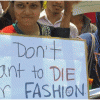
Putting Water at the Heart of Sustainable Fashion
The Copenhagen Fashion Summit celebrated its tenth anniversary last week. The summit, which is often referred to as the Davos of fashion, is a key date in the fashion diary for those businesses with a pioneering vision to highlight issues and create solutions for a more sustainable industry.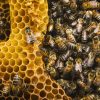
Long Life to Their Majesties, the Bees!
Amazingly organised social communities, bees ensure food chain. ‘Bee’ grateful to them… at least on their World Day!
UN’s Mandate to Protect Human Rights Takes Another Hit
The UN’s longstanding mandate to promote and protect human rights worldwide –- undermined recently by right-wing nationalist governments and authoritarian regimes – has taken another hit.
Stop The War on Children
Too many children are dying as a result of explosive weapons, and the international community must step up to protect and declare children off limits in war.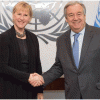
Growing Authoritarianism, Social Inequalities Often a Prelude to Conflict
I want to talk about peacebuilding and inclusive peace. My main point is that peace begins in the minds of people, and people, communities, societies must be allowed to participate in peace for it to be sustainable. Peace means a lot more than just the absence of war.
Do We Need a Global Convention of Common Principles for Building Peace?
When the Stockholm International Peace Research Institute (SIPRI) concluded a three-day forum on “Peace and Development” on May 16, the primary focus was the daunting challenges threatening global security, including growing military interventions, spreading humanitarian emergencies, forced migration, increasing civil wars, extreme weather conditions triggered by climate change and widespread poverty and conflict-related hunger.
Women Human Rights Defenders Face Greater Risks Because of their Gender
Does the name Ihsan Al Fagiri ring a bell? How about Heba Omer or Adeela Al Zaebaq? It’s likely that these names, among countless others, are not known to the average news consumer. But their tireless and dangerous work, however, has made news headlines as protests led to historic political change in Sudan.
Citizenship & Growth: Inclusive Citizenship Laws Tend to Foster Economic Development
The notion of citizenship has evolved over time. Historically, allegiance was typically to an ethnic group or a feudal lord. With the birth of the nation-state in the 19th century came the need to distinguish between those who belonged to the state and those who didn’t, and therefore to create a legal distinction between nationals and foreigners.
Cameroon Crisis “More Alarming Than Ever”
The United Nations must act to prevent further devastation from the escalating crisis in Cameroon, human rights groups said.
Frontex Mandate Expanded
The European Union plans to deploy 10 000 armed border guards by 2027 to patrol its land and sea borders. The force will have the power to use armed force on the EU's external borders.
Unlocking the Power of Women
This June, thousands will flock to Vancouver for a global dialogue on how to accelerate progress for girls and women under the banner of power, progress and change.
Global Hunger Is Threatening Families Because of Climate Change
There is barely a corner of human life that will not be affected by climate change, and some of its impacts are already being felt. Consider this, 821 million people are now hungry and over 150 million children stunted, putting the hunger eradication goal, SDG 2, at risk. Today 15 May, is the United Nations International Day of Families and the theme for this year is, ‘Families and Climate Action’.
Devastating Epidemic of Crime & Insecurity in Latin America & Caribbean
Development is a very uneven process, accompanied by heterogeneity in outcomes across sectors, across regions and across income groups. Such process, Albert Hirschman elegantly established about 60 years ago, constantly generates tensions and demands for redistribution of resources and power. In this sense, conflict is inherent to development.
Bulgaria’s Press Navigates Harassment & Threats in Pursuit of Stories
Crammed in the small studio of TVN, a regional station in Ruse, north eastern Bulgaria, journalists share stories about their colleague, Viktoria Marinova. Barely six months ago, Marinova was raped and murdered not far from the station, while jogging on the banks of the Danube.
Privatization Solution Worse than Problem
Privatization has not provided the miracle cure for the problems (especially inefficiencies) associated with the public sector. The public interest has rarely been well served by private interests taking over from the public sector. Growing concern over the mixed consequences of privatization has spawned research worldwide.
Spotlighting the ‘Abilities’ in ‘Disabilities’
The power of sport can help make global sustainable development a reality, and such power transcends cultural, linguistic and even physical barriers.
Urgent Action Vital to Stop Twin Crises of Nature’s Destruction & Climate Change
The Intergovernmental Platform on Biodiversity and Ecosystem Services’ report on the global state of biodiversity is shocking but not entirely surprising. The question is, how much more evidence and repeated warnings will it take for governments, companies and financial institutions to wake up to the urgency and act?« Previous Page — Next Page »


The Week with IPS

NEXT STOP - SDGs
Tracking global progress towards a sustainable world
Tracking global progress towards a sustainable world
