Languages
Saturday, November 21, 2026



News and Views from the Global South
Global

Lima Agrees Deal – but Leaves Major Issues for Paris
After a 25-hour extension, delegates from 195 countries reached agreement on a “bare minimum” of measures to combat climate change, and postponed big decisions on a new treaty until the 21st Conference of the Parties (COP 21), to be held in a year’s time in Paris.
Dirty Energy Reliance Undercuts U.S., Canada Rhetoric at Climate Talks
While U.S. and Canadian officials delivered speeches about how the world needs to step up to their responsibilities at the U.N. climate negotiations in Lima, Peru, activists from North America demanded clear answers back home on their governments’ relationships with fossil fuel corporations, as well as the future of several major oil projects across the continent.
OPINION: How Shifting to the Cloud Can Unlock Innovation for Food and Farming
The digital revolution that is continuing to develop at lightening speed is an exciting new ally in our fight for global food security in the face of climate change.
Glaciers and Fruit Dying in Peru with no Response from COP20
Snow-capped mountains may become a thing of the past in Peru, which has 70 percent of the world’s tropical glaciers. And farmers in these ecosystems are having a hard time adapting to the higher temperatures, while the governments of 195 countries are wrapping up the climate change talks in Lima without addressing this situation facing the host country.
OPINION: Climate Change and Inequalities: How Will They Impact Women?
Among all the impacts of climate change, from rising sea levels to landslides and flooding, there is one that does not get the attention it deserves: an exacerbation of inequalities, particularly for women.
Climate Change Creates New Geography of Food
The magnitude of the climate changes brought about by global warming and the alterations in rainfall patterns are modifying the geography of food production in the tropics, warned participants at the climate summit in the Peruvian capital.
Want Economic Growth? Lessen Inequality
For years, many policy makers, including economists, have clung to the belief that if states do nothing to boost income equality, market forces will cause wealth to trickle down to the poorest citizens and contribute to overall growth.
U.S. Faulted for Undermining Torture Convention
The timing was inadvertently impeccable as two stinging reports on harsh interrogation techniques - by the Central Intelligence Agency (CIA) in the United States and former military regimes in Brazil - were released on the eve of the 30th anniversary of the U.N. Convention Against Torture.
Pushing for Gender Equity at COP20
Despite international acknowledgement that women are disproportionately affected by climate change, the Lima climate negotiations have been slow to deliver progress on recognising their importance, while threats of pushback loom on the horizon.
Faiths United Against Nuclear Weapons
“Never was there a greater need than now for all the religions to combine, to pull their wisdom and to give the benefit of that combined, huge repository of wisdom to international law and to the world.”
Africa Sets Demands for Post-2015 Climate Agreement
The post-2015 global climate change agreement should be flexible and fully resourced or else condemn Africa to another cycle of poverty resulting from the adverse effects of climate change.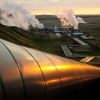
The Rapid Rise of Green Bonds
Most countries joining the growing list of nations pursuing clean geothermal power have been confronted with a huge financial challenge.
Nuclear States Face Barrage of Criticism in Vienna
Sarcastic laughter erupted when a civil society representative expressed his “admiration for the delegate of the United States, who with one insensitive, ill-timed, inappropriate and diplomatically inept intervention” had “managed to dispel the considerable goodwill the U.S. had garnered by its decision to participate” in Vienna Conference on Humanitarian Impact of Nuclear Weapons.
OPINION: The Role of the Media and Visibility for Malnutrition Around the World
The vast international and national media impact of the Second International Conference on Nutrition (ICN2), held in Rome from Nov. 19 to 21, demonstrated the growing interest that nutritional problems are arousing worldwide, primarily because the media themselves are increasingly reporting issues related to poverty and exclusion.
Groups Push Obama to Clarify U.S. Abortion Funding for Wartime Rape
Nearly two dozen health, advocacy and faith groups are calling on President Barack Obama to take executive action clarifying that U.S. assistance can be used to fund abortion services for women and girls raped in the context of war and conflict.
Release of Senate Torture Report Insufficient, Say Rights Groups
Tuesday’s release by the Senate Intelligence Committee of its long-awaited report on the torture by the Central Intelligence Agency (CIA) of detainees in the so-called “war on terror” does not go far enough, according to major U.S. human rights groups.
U.N. Urged to Ban Nuke Strikes Against Cities
Civil society groups are urging the U.N. General Assembly to pass a resolution declaring nuclear strikes on cities to be a clear-cut violation of international humanitarian law.
Civil Society Support for Marshall Islands Against Nuclear Weapons
Ahead of the Dec. 8-9 Vienna Conference on the Humanitarian Impact of Nuclear Weapons, activists from all over the world came together in the Austrian capital to participate in a civil society forum organised by the International Campaign to Abolish Nuclear Weapons (ICAN) on Dec. 6 and 7.
Only Half of Global Banks Have Policy to Respect Human Rights
Just half of major global banks have in place a public policy to respect human rights, according to new research, despite this being a foundational mandate of an international convention on multinational business practice.
Divestment Campaign Aims to Bleed Dry the Fossil Fuel Industry
Even as the presence of major oil and gas corporations is nearly ubiquitous at the U.N. climate talks in the Peruvian capital known as COP20, fossil fuel divestment campaigns have gained ground in various countries and are moving to counter the influence of the "dirty energy" lobby here.
OPINION: Women Must Be Partners and Drivers of Climate Change Decision-Making
As leaders from around the world gather in Lima, Peru this week to discuss global cooperation in addressing climate change, a woman in Guatemala will struggle to feed her family from a farm plot that produces less each season.« Previous Page — Next Page »


The Week with IPS

NEXT STOP - SDGs
Tracking global progress towards a sustainable world
Tracking global progress towards a sustainable world
