Languages
Saturday, July 25, 2026



News and Views from the Global South
Green Economy
World Bank Board Declines to Revise Controversial Draft Policies
A key committee of the World Bank’s governing board Wednesday spurned appeals to revise a draft policy statement that, according to nearly 100 civil-society groups, risks rolling back several decades of reforms designed to protect indigenous populations, the poor and sensitive ecosystems.
Gas and Sun Light the Way for Energy Industry in El Salvador
El Salvador is making steady progress towards diversifying its energy sources, with a plan to bolster the use of cleaner sources and achieve a substantial change in its energy mix by 2018.
Antigua Weighs High Cost of Fossil Fuels
Caught between its quest to grow the economy, create jobs and cut electricity costs, and the negative impacts associated with building an oil refinery, the Antigua and Barbuda government is looking to a mix of clean energy and fossil fuels to address its energy needs.
A Carrot Is a Carrot – or Is It?
Food security is often thought of as a question of diversifying supply and being able to move food through areas plagued by local scarcity, relying on the global economic system – including trade and transport – as the basis for operations.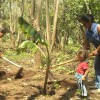
Forest Rights Offer Major Opportunity to Counter Climate Change
The international community is failing to take advantage of a potent opportunity to counter climate change by strengthening local land tenure rights and laws worldwide, new data suggests.
U.S. Debating “Historic” Support for Off-Grid Electricity in Africa
Pressure is building here for lawmakers to pass a bill that would funnel billions of dollars of U.S. investment into strengthening Africa’s electricity production and distribution capabilities, and could offer broad new support for off-grid opportunities.
U.S. Ranks Near Bottom Globally in Energy Efficiency
A new ranking has lauded Germany for its energy efficiency, while condemning the United States for lagging near the bottom.Do Not GM My Food!
Attempts to genetically modify food staples, such as crops and cattle, to increase their nutritional value and overall performance have prompted world-wide criticism by environmental, nutritionists and agriculture experts, who say that protecting and fomenting biodiversity is a far better solution to hunger and malnutrition.
OPINION: Why Asia-Europe Relations Matter in the 21st Century
Hopes are high that the 10th Asia-Europe Meeting – or ASEM summit – to be held in Milan on October 16-17 will confirm the credibility and relevance of Asia-Europe relations in the 21st century.
Major Companies Push for More, Easier Renewable Energy
Some of the largest companies in the United States have banded together to call for a substantial increase in the production of renewable electricity, as well as for more simplicity in purchasing large blocs of green energy.
OPINION: The Caribbean: A Clean Energy Revolution on the Front Lines of Climate Change
Lefties Food Stall, a pint-sized eatery serving Barbados’ signature flying-fish sandwiches, recently became the first snack shack on the Caribbean island to be fitted with a solar panel.
Scepticism as “Green Goods” Trade Talks Begin
Formal negotiations began this week around the increasingly significant global trade in “environmental goods”, those technologies seen as environmentally beneficial, including in combating climate change.
At the Crucial Nexus of Water and Energy
Global institutions are still in the learning phase when it comes to successfully managing water and energy in an integrated manner as part of the quest for sustainable development.
Problems Inspire Ingenious Solutions in Peruvian Amazon Town
He may look like a rapper, but 33-year-old José Antonio Bardález is the mayor of Jepelacio, in the Peruvian Amazon. His ingenious innovations in the municipality include transforming waste management into a source of income and making spring water a source of drinking water.
Indonesia’s Presidential Hopefuls Face Up to Deforestation
As the world’s third-largest democracy heads to the polls next week to elect a new president, environmental activists remain sceptical of the candidates’ commitment to tackle climate change.
Tiny Barbuda Grapples with Rising Seas
The 1,800 residents of the tiny Caribbean island of Barbuda are learning to adapt as climate change proves to be a force to reckon with, disrupting not just the lives of the living but also the resting places of those who died centuries ago.
Adapting to a Dry Season That Never Seems to End
The Caribbean region’s bid to become food secure is in peril as farmers struggle to produce staple crops under harsh drought conditions brought about by climate change.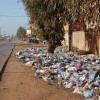
Companies Urged to Disclose “Plastic Footprint”
The environmental cost of the plastics used by corporations producing consumer goods likely mounts to more than 75 billion dollars a year, according to a first-time valuation released Monday by the United Nations and others.
Senegal Walks a Fine Line Between Development and Environmental Protection
While the cement factories in Senegal are at war, ostensibly over the environmental impact one company will have on this West African nation, experts have cautioned that as the government plans to radically develop and industrialise the country, striking a balance between environmental protection and development will be key.
U.S. Turns Attention to Ocean Conservation, Food Security
A first-time U.S.-hosted summit on protecting the oceans has resulted in pledges worth some 800 million dollars to be used for conservation efforts.
Picture the World as a Desert
Try to imagine an expanse of barren land, stretching for miles, with no trace of greenery, not a single bough to cast a sliver of shade, or a trickle of water to moisten the parched earth. Now imagine that desert expanding by 12 million hectares a year. Why? Because it’s already happening.« Previous Page — Next Page »


The Week with IPS

NEXT STOP - SDGs
Tracking global progress towards a sustainable world
Tracking global progress towards a sustainable world
