Languages
Wednesday, November 25, 2026



News and Views from the Global South
Headlines

Message to Ostracized World Leaders: You Don’t Need a US Visa to Address the UN
The coronavirus pandemic is beginning to transform the United Nations into an institution far beyond recognition. The Secretariat building has been shut down since mid-March, and the UN campus will continue to remain a ghost town through end July-- and perhaps beyond-- with nearly 3,000 staffers, delegates and journalists working, mostly from home.
You’ve Got Money: Mobile Payments Help People During the Pandemic
The practical challenge of quickly getting financial support in the hands of people who lost jobs amid the COVID-19 economic crisis has baffled advanced and developing economies alike. Economic lockdowns, physical distancing measures, patchy social protection systems and, especially for low-income countries, the high level of informality, complicate the task. Many governments are leveraging mobile technology to help their citizens.
Children in Out-of-Home Care: Lessons from the Pandemic
As the world continues to struggle with the Covid-19 pandemic, the situation in institutions like prisons or care homes has shown how quickly overcrowded facilities can become a breeding ground for an infectious disease. But what about other congregate facilities like residential institutions for children, such as orphanages? What risks do they face? And how should governments be responding during - and after - this pandemic?
Sudan, Where Illegal Abortions remain Dangerous and Deadly
Omnia Nabil*, a Sudanese doctor, who worked in one of the largest hospitals in Khartoum, the country’s capital, was devastated to witness the deaths of 50 young women who had unsafe abortions during a space of just three months.
Latin America’s Potential Green Hydrogen Economy
The COVID-19 pandemic and crisis has led to increasing attention and clamor to redouble efforts toward an energy transition that would help the world reduce C02 emissions. In many countries of the region, how to manage hydrocarbons, but with an eye on the energy transition has only been accentuated. We believe clean hydrogen is part of that broader policy and reconstruction debate.
Agriculture: Rooted in Racism
There has been far less social progress in the United States in the last 155 years than many people would like to believe. In 2020, racism still seeps its way into every aspect of life; from unconscious bias and micro-aggressions in everyday interactions to domestic and international policy and enforcement.
The Foundation to Build Back Better: Education
To realize the concept of ‘build back better,’ we need a foundation. That foundation is education. This is an incontestable truth.
Helping Bangladesh Recover from COVID-19
One of the most densely populated countries in the world, Bangladesh exemplifies the triple blow that many emerging market countries have suffered from COVID-19: domestic slowdown caused by the disease and the efforts to contain its spread; a sharp decline in exports, particularly in the ready-made garment sector, and a drop in remittances. Its once robust economy has dramatically slowed in recent months.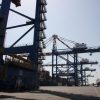
African Countries Need to Seize Opportunities Created by US-China Tensions
The unfolding US-China power rivalry bears a striking resemblance to the tensions between the US and the Soviet bloc during the Cold War years. Back then, African countries were positioned like pawns on a grand chessboard. Their social and economic progress was hampered because they expended energy aligning themselves with either of the superpowers in the battle for world supremacy between communism and capitalism.
Q&A: Sexual Violence Survivors and their Access to Care Should not Be Forgotten
While the coronavirus does not discriminate, its impact does. And the needs of survivors of sexual violence in conflict "cannot be put on pause, and neither can the response” during the current COVID-19 pandemic.
Post-harvest Losses Becomes Tanzania’s Loss in Youth Farming
As she says goodbye to a group of her friends, Esther Ishabakaki asks whether any of them knows a good tailor who might be interested in joining her newly-opened clothing business. It’s a venture she started three months ago after quitting her farming venture.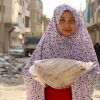
Sanctions, Amid COVID-19 Pandemic, Will Lead to Humanitarian Catastrophe
The Covid-19 pandemic has spread across the world. Although the numbers of infections and deaths vary between countries, they are increasing dramatically in some places, threatening people's health as well as the basis of their economic and social lives.
Food Insecurity Concerns for Latin America and the Caribbean
The multi-dimensional impacts of the coronavirus pandemic in Latin America could lead to a “hunger pandemic” if not addressed with urgency.
Scourge of Racism Violates UN Charter
I welcome this opportunity to speak to this urgent and necessary debate of the Human Rights Council. I bring you warm greetings from Secretary-General António Guterres, who shares your abhorrence of racism and is committed to fighting it with every tool we have.
We Should Not Aim to Return to Normal
The world before COVID-19 looks very attractive right now. In light of the disease, mass unemployment and social distancing, a return to pre-pandemic normality seems appealing. Yet we should remember what normal was.
Meritocracy Legitimizes, Deepens Inequality
How often have you heard someone lamenting or even condemning inequality in society, concluding with an appeal to meritocracy? We like to think that if only the deserving, the smart ones, those we deem competent or capable, often meaning the ones who are more like us, were in charge, things would be better, or just fine.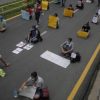
Social Movement Through Social Media
Last week, Kathmandu erupted with protests organised collectively through the social web by Nepal’s urban young fed up with the shenanigans of the country’s septuagenarian rulers.
The Great Lockdown Through a Global Lens
The Great Lockdown is expected to play out in three phases, first as countries enter the lockdown, then as they exit, and finally as they escape the lockdown when there is a medical solution to the pandemic.
Why Rwanda is a Great Green Growth Investment
In its effort to accelerate Rwanda's green growth development initiative, its local businesses encouraged their Italian counterparts to invest in the East Africa region.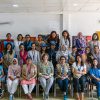
Women Leadership Is Key to Successful Post-COVID-19 Era, Says Cherie Blair
The impact of COVID-19 lockdowns falls heavily on the shoulders of women even in the global north. Women take the brunt of housework and caretaking duties, homes schooling, working from home and perhaps looking after elderly parents, says Cherie Blair.
COVID-19 has Further Marginalised Persons with Disabilities
Since the beginning of the year, more than 200 nations across the globe have been affected by COVID-19. Many are still reeling under the devastating effects of the pandemic, with both public health and the global economy having taken a major blow.« Previous Page — Next Page »


