Languages
Wednesday, November 25, 2026



News and Views from the Global South
Headlines

When Old Age Catches Up, Even Nuclear Weapons Go into Retirement
The world’s stockpile of nuclear weapons—estimated at over 13,400 at the beginning of 2020 – have a least one thing in common with humans: they are “retired” when they reach old age.
Predicting COVID-19 Infection Fatality Rates Around the World
The world saw more new confirmed COVID-19 cases last week than any week to date. And as the pandemic grows, its epicenter is moving from advanced economies to more developing countries, including Brazil, India, and South Africa.
Reviving the Economy, Creating the ‘new Normal’
The Covid-19 pandemic has significantly impacted most economies in the world. Its full impacts will not be felt, let alone measured, until it runs its course. Many countries are still struggling to contain contagion, while the costs on both lives and livelihoods will undoubtedly have long-term repercussions.
Delaying Death Amid the Coronavirus Pandemic
While the end of life remains the inescapable fate of every man, woman and child, death can be delayed as has been demonstrated repeatedly throughout human history. Amid the current coronavirus pandemic, a paramount objective is delaying death from Covid-19 for many millions of people across the globe.
Agroecology Strengthens Farmers’ Resilience But Highly Underfunded in Africa
With just a quarter of an acre of land in Kesses near Kenya’s Eldoret town in the Rift Valley region, Samson Tanui is practising agroecology and his permaculture unit has become the centre of attraction for farmers from near and afar amid food shortages during the current COVID-19 pandemic.
A Single Seven Year Term for the UN Secretary General?
Many UN supporters expressed disappointment that Secretary General Antonio Guterres said almost nothing, until last week, about police violence against African-Americans in the United States, or about the massive protest movement that has erupted and the repressive response to the protests by US authorities and police forces.
Delivering Humanitarian Assistance in Cox’s Bazar During COVID-19
The novel coronavirus has affected the lives of millions worldwide at its very onset. The situation in Bangladesh is no different. Wearing masks and washing hands frequently have become the new normal. The first laboratory confirmed COVID-19 case was identified in Cox’s Bazar on 23 March. Unforeseen circumstances often lead to unprecedented innovative actions as is exemplified by a Humanitarian Access Project.
Racism and Dominance
The #MeToo movement triggered worldwide protests that hopefully was instrumental in making people better aware of a continuous and often hidden mistreatment of women. Maybe can the current I can’t breathe movement make people realize that institutional racism is far from extinct.
Was There Slavery in Australia? Yes. It Shouldn’t Even Be Up for Debate
Prime Minister Scott Morrison asserted in a radio interview that “there was no slavery in Australia”. This is a common misunderstanding which often obscures our nation’s history of exploitation of First Nations people and Pacific Islanders.
Impact of COVID-19 on Women in South Asia
Prior to the onset of the coronavirus crisis South Asian women participated only sparingly in the labor market. Even though South Asia was and still has the potential to become one of the fastest growing regions in the world (post COVID19) female labor force participation rates were low at 23.6% compared to 80% for men (World Bank figures).
Target Boys to Break Menstruation Taboos
An all-male panel assembled to discuss menstrual health on International Menstrual Hygiene Day sparked outrage on social media and a flurry of memes of all-female panels discussing male issues.
Q&A: Global Poverty Expected to Move to Middle Income Developing Nations in Asia
Global poverty, which is increasing because of the economic impact of the coronavirus crisis and ensuing worldwide lockdowns, is shifting and a dramatic increase in middle-income developing countries in Asia is expected.
The Global Economic Reset—Promoting a More Inclusive Recovery
The COVID-19 crisis is inflicting the most pain on those who are already most vulnerable. This calamity could lead to a significant rise in income inequality. And it could jeopardize development gains, from educational attainment to poverty reduction. New estimates suggest that up to 100 million people worldwide could be pushed into extreme poverty, erasing all gains made in poverty reduction in the past three years.
How Cities Can Turn COVID-19 Crisis into an Opportunity to Build Better
From shocking death tolls to widespread job losses, there is no understating the severity of the COVID-19 pandemic’s impact on the world’s cities. Health care systems, economies, and social lives have been upended by a virus for which the world was totally unprepared.
Strengthening Economic Institutions for a Resilient Recovery
Exceptional times call for exceptional action. In response to COVID-19, the IMF has moved with unprecedented speed and magnitude of financial assistance to help countries protect lives and livelihoods. Economic stabilization and a sustainable recovery, however, will require more than financial assistance. For recovery to be sustainable, policymakers will need to strengthen economic institutions that enable resilient, inclusive policies.
Covid-19 has increased children’s exposure to traffickers
With Covid-19 bringing economic activities across nations to a halt, more and more people are being pushed into poverty. Job losses, business losses and farming losses, leading to economic stress, are pushing many to the fringes of poverty. And as families are being rendered helpless, the worst sufferers are invariably the children.
Malawi’s COVID-19 Cash Transfer Almost Ready But Election Fever may Prevent Lockdown
Malawi remains one of the few nations in the world that has not gone into a coronavirus lockdown as the government rushes to meet the conditions of a court order to implement a cash transfer scheme for the poor before doing so. But as some parts of the world are slowing coming out of their lockdowns, it could be likely this southern African nation won’t go into one as the rerun of the country’s presidential election nears.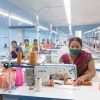
COVID-19 & its Impact on Textile & Garment Supply Chains in Developing Nations
In the first quarter of 2020, the coronavirus pandemic led to a 3% drop in global trade values. COVID-19 could trigger the biggest economic contraction since World War II, affecting all industries from finance to hospitality.
Unsung Heroines: Who Cares for the Carers?
Even before Covid-19, the world was facing a care crisis. The plight of often neglected, under-appreciated, under-protected and poorly equipped ‘frontline’ health personnel working to contain the pandemic has drawn attention to the tip of the care crisis iceberg.
Solar Power Fills Gaps in Underserviced Rural Argentina
Rice farmers in the Argentine province of Entre Rios often look like mechanics. "They're always full of grease, because they haul diesel fuel around all the time, for their water pumps," says local farmer Arturo Deymonnaz. He, however, doesn't have that problem, because he uses solar energy to grow his rice.
World Protests Show Rising Outrage and Mounting Discontent
After a period of forced silence because of the Covid-19 quarantines, citizens around the world are defying coronavirus restrictions and claiming the streets to fight for real democracy, jobs, living wages, public services, human rights and against corruption, inequality and injustice. We predict an increasing wave of protests all over the world led by different types of people defying the status quo. Unless policies change, clashes in the street are likely to become the new normal.« Previous Page — Next Page »


