Languages
Monday, August 24, 2026



News and Views from the Global South
Health

India Under Siege From Covid-19: The Worst Yet to Come
The Coronavirus infections and deaths in India recorded a daily high on Monday, 10 May, with 366,161 new infections and 3,754 deaths as reported by the Indian health ministry, taking India's total tally to 22.66 million with 246,116 deaths. Experts have raised a flag stating India's actual figures could be far higher than what is currently being reported.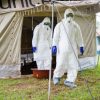
One Health Approach Key to Tackling Africa’s Challenges
The COVID-19 pandemic has shown us that global health challenges cannot be solved only by health sector interventions.
US Support for Vaccine Waiver Welcome, but More Needed
Thanks to President Biden, the US now supports a suspension of intellectual property (IP) rights to increase vaccine supplies. However, without vaccine developers sharing tacit technical knowledge for safe vaccine mass production, it will be difficult to rapidly scale up vaccine output.
How to Assess the Willingness of US to Suspend Patent Protection on Vaccines?
The news of the Biden Administration's willingness to lift intellectual property rights protections in the case of the Covid-19 pandemic has sent the world into turmoil, even though in recent days this willingness had become increasingly airy.
The Illusion of Digital Inclusion in the Post-COVID World
We are living through a decisive moment. The COVID-19 pandemic’s devasting impact is reaching every corner of the world. As we look back at this period, we will see history divided into a pre-COVID and a post-COVID world.
Africa Goes Digital
In rebuilding after COVID-19, policymakers must invest in innovative technology to leapfrog obstacles to inclusive development. Africa has enjoyed strong economic growth for most of the 21st century, mainly because of robust global demand for primary commodities.
Dr Aqsa Sheikh: Transgender Doctor Injecting Hope During COVID Pandemic
When Dr Aqsa Sheikh Tweeted and asked if she was the only transgender person to head a vaccination centre, it seemed extraordinary that in a country with 1.3 billion people, that this could be true.
How West African Leaders Can Tackle Youth and Gender Inequities
Recently, both Republics of Benin and Chad held their 2021 national elections. These countries are among thirteen countries on the continent billed to elect new political leaders in 2021 alone. This is a good opportunity to improve conditions on the continent. Indeed, the COVID-19 pandemic has magnified other issues on the continent like youth unemployment that better leadership could help improve.
High-Dose Vitamin D Supplements Significantly Reduce ICU Admissions & COVID-19 Deaths
There is considerable evidence that vitamin D reduces the risk and severity of COVID-19 (Mercola 2020 ; Wimalawansa, 2020). More than 50 clinical studies have published confirming that high doses of vitamin D administered early in persons with COVID-19 significantly reduce complications and the need for ICU admissions.
COVID-19 Vaccine Rollout Kicks Off in Africa’s Most Populous Country
Since the COVID-19 vaccination began in the US in mid-December 2020, Africa had been looking forward to its turn. For Nigeria, that time came on 2nd March 2021 when the first batch of 3.9 million doses of AstraZeneca’s COVID-19 vaccine arrived in the country from the Serum Institute of India.
UN Women Launches New Programme to Foster Economic Participation in Care Industry
The lockdowns and illnesses brought on by the COVID-19 pandemic have dramatically increased the need to care for children, the elderly and the sick. And in societies where gender inequality and biased norms persist, most of this burden has fallen on women, many of whom have had to leave their regular jobs with no idea of when they can return.
A Year Later, COVID-19 Continues to Show the Fragility of Food Security
More than a year after the start of the COVID-19 pandemic, food and nutrition security continues to show its fragility.
A Free & Accessible Vaccine is Just out of Reach for Palestinians
We were able to keep the coronavirus at bay for five months in Gaza, the densely populated Palestinian strip of land surrounded by Israel that I call home. But the Coronavirus doesn’t respect walls or artificial borders. While preparations were made for the pandemic to inevitably breach a blockade so few Palestinians can, we waited for it to come for us. And it did.
Why Variants are Most Likely to Blame for India’s COVID Surge
With more than 300,000 new COVID cases a day and hospitals and crematoria facing collapse, Director-General of the World Health Organization Tedros Adhanom Ghebreyesus has called the situation in India “beyond heartbreaking”.
State of COVID-19 in Sri Lanka: Are Government Policies Effective in Controlling it?
The SARS-CoV-2 infection (COVID-19) affected the entire world; many died, millions got sick, and the misery continues. Second and third waves of SARS.Cov-2 infection are devastating most countries.
Addressing the Impact of COVID-19 on Infants and Young Children
Conventional wisdom is that the health of young children is not at great risk from COVID-19, but, in the Global South, the space constraints imposed on young children by the pandemic pose a significant risk to the stimulation on which brain development thrives. Early childhood development is further jeopardized by the pandemic’s impact on caregivers.
Pathogens, Public Health, & Political Will: Why Sustained Leadership is Critical
The occasion of World Malaria Day amidst a global pandemic warrants an examination of the intersection between our decades long battle against the world’s oldest known fever and the newest known pathogen fueling a global pandemic.
On World Malaria Day, We Must Step Up Efforts to Combat Malaria
Despite its 229 million cases and 409,000 deaths in 2019, malaria is an overlooked epidemic. The emergence of COVID-19 has thrown health systems into disarray and forced countries to shift their focus from malaria to the pandemic response, threatening to reverse 20 years of malaria gains.
Disability in Goma. The Power of Staying Together Against Covid-19, War, and Stigma
 Sylvain Kakule Kadjibwami lost the use of his legs during one of those ambushes that bloodlessly bleed North Kivu. “When I was shot, I thought it was the end of my life, but when I shared it with other disabled people, I discovered that life is still possible,” he said. Now it is Covid-19 that risks destroying the dreams of Sylvain, a small trader from Goma, a city whose roads are volcanic rock-ridden screes where pick-ups trudge. Those who walk face the risk of falling at every step. However, for those who cannot, the same roads can become traps where it is not only war that kills but also a stigma fostering misery and disease.
Challenges with Skill Development Programmes During the Pandemic
India’s evolving Technical and Vocational Education and Training ecosystem (TVET) faced many challenges during the COVID-19 pandemic. Because of the national lockdown, organisations had to remain shut for 7-8 months, until September 2020.
A Growing New Health Crisis Focusing on Emergency Rooms, Medical History & Vaccines
This year's World Health Day on 7 April was an opportunity for three entrepreneurs to share their insights and reflections on a rather complex year due to the health crisis and comment on their experiences developing impactful products and services in this sector.« Previous Page — Next Page »


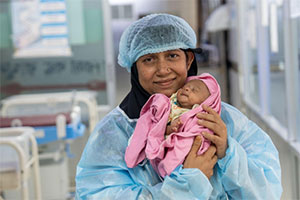 Bangladesh: Sarid, born one month early, receives specialized newborn care and grows stronger every day. Credit: UNICEF/UNI944397/Mojumder
Since the onset of the 2000s, global life expectancy has seen an overall rise, attributed to significant technological and scientific innovations in healthcare. Due to an increased understanding of different conditions as well as a rise in cooperation among healthcare experts around the world, there have been major strides made in ensuring that as few people die from chronic illnesses as possible. Despite the belief that healthcare is a fundamental human right, people from low- or middle-class backgrounds, marginalized groups, and underdeveloped countries have far more limited access to basic healthcare services.
The COVID-19 pandemic showed how marginalized communities are disproportionately affected by health crises, proving that we have much work to do in ensuring that no one dies of terminal conditions. While the global response to the coronavirus saw significant strides in immunization and vaccine development, the global outbreak of mpox in 2022 and its upsurge in parts of Africa in 2024 must remind us to remain vigilant.
Other major disease outbreaks in recent years have been linked to the destruction of infrastructure during warfare. Notably, in 2024, the Gaza Strip witnessed a return of the poliovirus since its eradication in the region 25 years ago. Israel’s blockade on Gaza has resulted in the collapse of the region’s sewage plants and desalination plants, and also destroyed healthcare capacities. The UN stated that this lack of clean water and sanitation would lead to an outbreak of cholera and other deadly infectious diseases. The 2026 OCHA Humanitarian Situation Report confirmed that the over two years of conflict in Gaza has produced a catastrophic health emergency, with millions remaining dependent on relief aid amid tight restrictions and no functioning public health system.
IPS is committed to providing full and comprehensive coverage on healthcare challenges around the world. IPS seeks to address the multifaceted causes of such challenges, including unprecedented pandemics, conflict-driven disease outbreaks, as well as socioeconomic barriers to equal healthcare access. IPS is also dedicated to reporting on innovations in the healthcare industry.

The Week with IPS

NEXT STOP - SDGs
Tracking global progress towards a sustainable world
Tracking global progress towards a sustainable world
