
Wednesday, November 11, 2026



News and Views from the Global South
Indigenous Rights
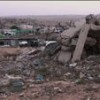
MIDEAST: The Indigenous Become Squatters
As plans to demolish a Palestinian Bedouin village to make way for a new, Jewish-only town move forward in Israel’s Negev desert, the Bedouin residents have submitted a motion for the right to appeal to the Israeli Supreme Court.
ENVIRONMENT-CHILE: Fishing Villages Turn to Int’l Justice in Fight Against Waste Duct
Fisherfolk and indigenous people in southern Chile have petitioned the Inter-American Commission on Human Rights in their 15-year conflict with Celulosa Arauco y Constitución (CELCO), a paper pulp company which plans to dump toxic waste in the ocean, and with the Chilean state for alleged human rights violations.Bolivia Steps Up Campaign at U.N. to Legalise Coca Leaf
Is coca a dangerous drug that should be tightly regulated, or an essential part of Andean indigenous people's cultural and medicinal heritage? Or perhaps both?Sunshine and Shadow in Rwanda’s Rural Housing Programme
The gleam of new corrugated iron sheets shimmers through the blue-green haze that veils Rwanda's rural valleys and hillsides. It is a visible sign of Rwanda’s metamorphosis from a nation devastated by genocide seventeen years ago to the fastest modernising state on the continent.GUATEMALA: Theatre as HIV Prevention Tool in Native Communities
Poverty, lack of access to education and taboos about sexuality have hampered campaigns for the prevention and control of HIV/AIDS among indigenous communities in Guatemala. These constraints have led to the development of new ways of communicating vital information, like theatre.
WORLD HEALTH DAY: The Ten-Year Timeline for Antibiotics Burnout
Though the World Health Organisation (WHO) has focused this year's World Health Day Apr. 7 on prioritising the struggle against the global spread of antimicrobial resistance (AMR), scores of international researchers and scientists fear this decision is coming too late, with 2011 already shadowed by the failure of pharmaceutical antibiotics to curb the proliferation of diseases.
ARGENTINA-BOLIVIA: Gas Pipeline to Boost Development, Revenues – But Not for Everyone
"The pipeline will carry gas to Bolivia and seven provinces in Argentina, but we who live in Campo Durán, where the pipeline starts, will not have gas," Julio Palavecino told IPS.
GUATEMALA: Evictions of Native Families Add Fuel to Fire Over Land Access
"We have nowhere to plant our corn, we have nothing," Jorge Chocoj told IPS while waiting with his wife and three children for the police to evict them from the land they farmed in northwestern Guatemala.
ECUADOR: Trees on Shaky Ground in Texaco’s Rainforest
When the trunks of the trees move with every step you take, you know you are in a swamp. This is what happens when you walk over the seemingly firm and vegetation-covered ground over what was once a pit used to dump oil sludge in the Ecuadorian Amazon rainforest.
CENTRAL AMERICA: Alternative Tourism Seeks to Overcome Obstacles
Most of the countries of Central America are lagging behind the rest of the tourist destinations in Latin America, despite their impressive natural and archaeological treasures. To turn this situation around, the area is increasingly focusing on alternatives like rural tourism.
AFRICA: Responsible Travel Means Not “Haggling Over Wooden Beads”
Tourism as a concern found its way onto the agenda of the 1992 Earth Summit in Rio de Janeiro because of its potential for development but also due to its adverse effects on some populations and natural resources, particularly in Africa.Native Women Seek Justice at U.N.
The United States is facing international scrutiny for its apparent failure to prosecute criminals who enter indigenous territories to prey on Native women and girls.Kurd Issue to the Fore Ahead of Elections
Sultan Quyun, 58, longs for the day when the decades-long conflict between the Kurdistan Workers Party (PKK) and Turkish security forces will come to an end. For her, the end of violence does not just hold the promise of a possible resolution of the Kurdish issue in the country, but would bring about, she hopes, a much-awaited reunion with her son.
Agro-Fuel Debate Takes Root in Central America
The debate is growing in Central America over the scope of industrial crops in forested areas or subsistence farming zones, and their impact on the source of food for the rural population.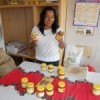
MEXICO: Peanuts in Times of Food Crisis
Yandi Condado and a small group of farmers in the southern Mexican state of Puebla decided a few years ago to process their peanuts as an economic boost -- and to defend this traditional crop against the advances of more profitable options.
PERU: Rural Girls Face Barriers to Education
"My classmates from Utupampa had to walk an hour to get to school," said Yasmín Sena, a young woman from a village in Peru's highlands. "That community is way up in the mountains; no cars can go there."
ECUADOR: Still a Ways to Go, After Historic Ruling Against Chevron
The plaintiffs in the case against Chevron tried in Ecuador, who won a historic 9.5 billion dollar verdict after a nearly 18-year struggle over environmental and health damages caused in a quarter-century of oil operations in the Amazon jungle, are not disheartened by the road still ahead.VENEZUELA: Biopiracy Leaves Native Groups Out in the Cold
Millions of cancer patients around the world benefit from a medication called Paclitaxel (Taxol), which may begin to be produced from a new source: fungi found at the summit of Venezuela's flat-topped mountains. But the indigenous communities who have lived in that area since time immemorial will receive no benefits, and were not even consulted on the matter.
RIGHTS-PERU: At Last, Reparations for Civil War Victims
Peru will begin to pay individual monetary reparations to victims and survivors of the 1980-2000 counterinsurgency war, with top priority put on elderly people in remote villages in the country's impoverished highlands, where most of the human rights violations took place.Forest Fest Makes Headway in Protection, Poverty Reduction
Political leaders have committed to ramping up restoration of the world's forests and tackling poverty in forest communities as part of pledges made at the ninth session Forum on Forests, which wrapped up at the United Nations headquarters in New York last week.
MEXICO: Agave Sweetens Economic Prospects of Indigenous Women
With a wooden spoon in hand, Hortencia Rómulo briskly stirs the amber-coloured liquid cooking in an enormous steel pot.« Previous Page — Next Page »





The planet's roughly 350 million indigenous peoples took notable steps on the international stage in the last decade. They got the world's governments to agree to create a body to represent them at the United Nations, the Permanent Forum on Indigenous Issues, and to appoint a special rapporteur responsible for their human rights. In 2007 a Universal Declaration on the Rights of Indigenous Peoples was approved by the UN. Yet the living conditions of most "tribal", "aboriginal", "native" or "first" peoples remain precarious. IPS, with its network of contributors at the UN and linked to indigenous communities worldwide, is committed to tracking the world community's efforts to do justice to the rights and aspirations of these peoples, with a special current focus on Latin America's 40 million rural indigenous peoples.

The Week with IPS

Tracking global progress towards a sustainable world
