
Thursday, November 19, 2026



News and Views from the Global South
IPS UN: Inside the Glasshouse

Africa Sets Demands for Post-2015 Climate Agreement
The post-2015 global climate change agreement should be flexible and fully resourced or else condemn Africa to another cycle of poverty resulting from the adverse effects of climate change.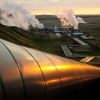
The Rapid Rise of Green Bonds
Most countries joining the growing list of nations pursuing clean geothermal power have been confronted with a huge financial challenge.
Nuclear States Face Barrage of Criticism in Vienna
Sarcastic laughter erupted when a civil society representative expressed his “admiration for the delegate of the United States, who with one insensitive, ill-timed, inappropriate and diplomatically inept intervention” had “managed to dispel the considerable goodwill the U.S. had garnered by its decision to participate” in Vienna Conference on Humanitarian Impact of Nuclear Weapons.
OPINION: The Role of the Media and Visibility for Malnutrition Around the World
The vast international and national media impact of the Second International Conference on Nutrition (ICN2), held in Rome from Nov. 19 to 21, demonstrated the growing interest that nutritional problems are arousing worldwide, primarily because the media themselves are increasingly reporting issues related to poverty and exclusion.
U.N. Urged to Ban Nuke Strikes Against Cities
Civil society groups are urging the U.N. General Assembly to pass a resolution declaring nuclear strikes on cities to be a clear-cut violation of international humanitarian law.
Latin America Faces the Novelty and Challenge of Ageing
The eternally young Latin America is also ageing, due to the rise in life expectancy and the drop in birth rates - a demographic revolution that poses new challenges in a region that has begun to move slowly away from its status as the most unequal part of the world.
Divestment Campaign Aims to Bleed Dry the Fossil Fuel Industry
Even as the presence of major oil and gas corporations is nearly ubiquitous at the U.N. climate talks in the Peruvian capital known as COP20, fossil fuel divestment campaigns have gained ground in various countries and are moving to counter the influence of the "dirty energy" lobby here.
OPINION: Women Must Be Partners and Drivers of Climate Change Decision-Making
As leaders from around the world gather in Lima, Peru this week to discuss global cooperation in addressing climate change, a woman in Guatemala will struggle to feed her family from a farm plot that produces less each season.
Climate Neutrality – the Lifeboat Launched by Lima
Packed into stifling meeting rooms in the Peruvian capital, delegates from 195 countries are trying to find a path that would make it possible for the planet to reach climate neutrality in the second half of this century – the only way to avoid irreversible damage, scientists warn.
“Indigenous Peoples Are the Owners of the Land” Say Activists at COP20
The clamor of indigenous peoples for recognition of their ancestral lands resounded among the delegates of 195 countries at the climate summit taking place in the Peruvian capital. “I want my land…that’s where I live and eat, and it’s where my saintly grandparents lie,” Diana Ríos shouted with rage.
“What’s Good for Island States Is Good for the Planet”
The lead negotiator for an inter-governmental organisation of low-lying coastal and small island countries doesn't mince words. She says the new international climate change treaty being drafted here at the ongoing U.N. Climate Change Conference “is to ensure our survival".
Hiroshima, Nagasaki Cast Shadow Over Nuclear Conference in Vienna
When Secretary-General Ban Ki-moon was at Harvard University early this week to pick up the 'Humanitarian of the Year' award, his thoughts transcended the city of Cambridge, Massachusetts, to the Austrian capital of Vienna which will be the venue of a key international conference on nuclear weapons next week.
U.N.’s 17 Sustainable Development Goals Remain Intact
Secretary-General Ban Ki-moon has refused to jettison any of the 17 Sustainable Development Goals (SDGs) proposed by an Open Working Group of member states: goals aimed at launching the U.N.'s new post-2015 development agenda through 2030.
Q&A: Why Kyoto’s Clean Development Mechanism is at a Crossroads
The U.N. mechanism for supporting carbon emissions projects in developing countries – the Clean Development Mechanism (CDM) – is in crisis as a result of a dramatic slump in the prices being paid for carbon credits.
OPINION: To Conserve Arctic Species, Take Action in Africa
So great are the contrasts between the frozen empty expanses of the far north and Africa’s baking deserts, steamy rain forests and savannahs that any direct connections between the two seem far-fetched - if they indeed exist at all.
Climate and Post-2015 Development Agenda Talks Share the Same Path
The international community’s post-2015 development agenda will depend, in key aspects, on whether the delegates of 195 countries meeting now at the climate summit in the Peruvian capital reach an agreement to reduce global warming, since climate change affects all human activity.
Climate Finance Flowing, But for Many, the Well Remains Dry
For more than 10 years, Mildred Crawford has been “a voice in the wilderness” crying out on behalf of rural women in agriculture.
Africa Laments as Kyoto Protocol Hangs in Limbo
African countries fought hard for the Kyoto Protocol not to die on African soil at the 2011 Climate Change Conference in South Africa, but they say it is now languishing in limbo because developed countries are taking what they called “baby steps" towards ratification of the Doha Amendment that gave it a new lease of life.
OPINION: Japan’s Misuse of Climate Funds for Dirty Coal Plants Exposed
World governments gathered in Lima, Peru for the latest round of U.N. climate negotiations should have finance on their mind.
Native Villagers in Honduras Bet on Food Security – and Win
The town’s dynamic mayor, Sandro Martínez, assumed the commitment of turning the Honduran municipality of Victoria into a model of food and nutritional security and environmental protection by means of municipal public policies based on broad social and community participation and international development aid.
OPINION: Stand in Solidarity with Courageous Women’s Human Rights Defenders
Almost two decades ago, in Beijing, 189 countries made a commitment to achieve equality for women, in practice and in law, so that all women could at last fully enjoy their rights and freedoms as equal human beings.« Previous Page — Next Page »


It was dubbed "The Glass House" by U.S. ambassador James Wadsworth in 1966. Half a century later, the United Nations has gradually expanded its role as agent of peace and protector of the world's vulnerable populations, while simultaneously facing internal pressures to become more inclusive, increase transparency and maintain legitimacy in the post-Cold War political and economic order. Highlighting the local impacts of global policies on economic development, environment, health and human rights, IPS's coverage goes beyond the edicts of the Security Council to illuminate the power struggles, successes and shortcomings of the 193-member institution as it grapples with crises like climate change, armed conflict, poverty and HIV/AIDS.

The Week with IPS
