
Monday, November 16, 2026



News and Views from the Global South
IPS UN: Inside the Glasshouse

Mayors Explore how COVID-19 Pandemic will Redefine Urban Cities
The coronavirus pandemic has the potential to bring about positive changes for cities, and give leaders the opportunity to make long-term, transformative changes as a result, according to renowned architect Norman Foster, who was speaking at the first ever Forum of Mayors 2020.
The Wreckage Of Trump’s Presidency*
Like many Americans, I have been observing Trump’s rise to power with some perplexity, often asking myself how and why a man of his character became the President of the United States, which is viewed as the most powerful political office in the world.
With Armed Groups on the Rise, Youth Engagement is More Important than Ever
As governments worldwide struggle to contain COVID-19, recent reports suggesting armed groups like Islamic State are resurging offer a sobering account of the many challenges that the global community now faces.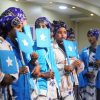
World Peace is Not Only Possible But Inevitable
COVID-19 has shifted our world. Over the last six months, no matter where we live, our lives, assumptions, and relationships have changed. Now, more than ever, we have witnessed people from all backgrounds and all ages rise to assist each other.
We Need Nature and Biodiversity if We Want a Sustainable Future
“Investing in nature is investing in a sustainable future,” was one of the key messages from yesterday’s first-ever United Nations Summit on Biodiversity where world leaders and experts agreed on the urgency to act swiftly to preserve biodiversity globally.
To Achieve Gender Equality Within, the UN Must Do More to Tackle Sexual Harassment
In September 2017, Secretary-General António Guterres launched the “System-wide strategy on gender parity”, which set the goal of reaching gender parity within the United Nations by 2028 and outlined a strategy on how to achieve this, including the introduction of special measures, senior appointments, targets and accountability, amongst other things.
To Achieve Progress on Gender Equality, Gender Data Must Be at the Forefront
In 1995, world leaders gathered in Beijing for the Fourth World Conference on Women and adopted the Beijing Declaration and Platform for Action. This marked a significant turning point for the global agenda for gender equality. This week, a high-level event will take place as part of the United Nations General Assembly to celebrate the meeting’s 25th anniversary. However, despite ambitious commitments to gender equality, nearly 25 years later, progress still lags far behind.
Staff to UN Management: Please Drop Your Plans for Uber-Style Contracts
As the United Nations prepares to celebrate its 75th anniversary we have been made aware of an extremely worrying development concerning the future of UN staff contracts.
Q&A: How Fast Fashion Sits at the Crucial Intersection of Environmental & Gender Justice
Racism “keeps the global north oblivious to the effect of fast fashion addiction on the global south” say environmental and gender justice experts.
‘Leave No one Behind’: How Inclusive is World Leaders’ Call to Climate Action?
Wrapping up Climate Week at the United Nations General Assembly, global leaders called for climate action that may be “ambitious but achievable” and called for climate measures that would “leave no one behind”. But some climate activists remain concerned about how this can be achieved.
#TurnItAround: One Week to Mobilize for the Future
The year 2020 will most certainly mark a critical moment for the planet and future mobilizations. In a society shaken by Covid-19, people are gathering, regrouping and acting collectively for a sustainable world, an egalitarian future, and for global awareness on the climate emergency.
Pushing the Reset Button will not Change the Game
Governments have responded to the COVID-19 pandemic with unprecedented intensity. They have taken far-reaching regulatory measures to contain the pandemic and mobilized financial resources on an enormous scale.
What UN Needs is a Cease-Fire Inside its own Security Council
With more than 20,000 civilians killed last year in conflicts in 10 countries — including Afghanistan, Central African Republic, Iraq, Libya, Nigeria, Somalia, South Sudan, Syria, Ukraine and Yemen-- UN Secretary-General Antonio Guterres reiterated his call for a “global cease-fire”: a proposal which failed to generate a positive response since he first announced it last March.
The Future We Want, The UN We Need
As we reflect on this week and celebrate the United Nations’ rise in the war-ravaged world some 75 years ago, humanity is again being asked to lay the foundation for a new world.
Trump Pitched his Vision of a Global Order — at Odds with the UN Charter
President Trump took the UN stage to settle scores and shift blame as he sought to spin an alternate version of his administration’s response to the pandemic.
Scientists Draw up Guidelines to Help Agri-food Companies Align with 2030 Agenda
In Amuru district, 47 kilometres from Gulu town in northwestern Uganda, the Omer Farming Company has proven that it is possible to farm on thousands of acres of land using methods that conserve the environment and its biodiversity.
A Third World War – Which so Many Had Feared — Has Been Avoided, Says UN Chief
The ideals of the United Nations – peace, justice, equality and dignity — are beacons to a better world. But the Organization we celebrate today emerged only after immense suffering. It took two world wars, millions of deaths and the horrors of the Holocaust for world leaders to commit to international cooperation and the rule of law.
Helping Make Education a Reality for the 75 million Children in Conflict Zones
Aryan is a 15-year-old girl from Afghanistan who lives with her family in a shelter in an undisclosed country in Europe. She doesn’t go to school. But she is hugely creative. And it shows in how she occupies her time during the day — writing poetry and making bracelets and earrings that she hopes to sell online one day.
After 75 Years, UN Claims 50:50 Gender Parity, But Falls Short of its Ultimate Goals
When the United Nations was dominated by men, holding some of the highest positions in the staff hierarchy, women staffers were overwhelmingly administrative secretaries seen pounding on their Remington typewriters seated outside their bosses’ enclosed offices.
Philanthropy’s Role in the Missing Global Architecture
The promise of the United Nations, as articulated 75 years ago, is a global system capable of managing global issues. As UN leadership knows, that promise is needed now more than ever in a multipolar world with increasingly complex challenges. This mission must be fulfilled, but is not possible without the collaboration of broad-based coalitions made up of innovative thinkers from all sectors of society working together.
The Culture of Peace: Change our World for the Better in the Age of COVID 19
Last year, we paid tribute to the 20th Anniversary of the 1999 Declaration of the Program of Action on a Culture of Peace. Today, we need to ask ourselves if we had genuinely carried out our moral responsibilities to transition from a culture of hatred and violence to a culture of tolerance and peace.« Previous Page — Next Page »


It was dubbed "The Glass House" by U.S. ambassador James Wadsworth in 1966. Half a century later, the United Nations has gradually expanded its role as agent of peace and protector of the world's vulnerable populations, while simultaneously facing internal pressures to become more inclusive, increase transparency and maintain legitimacy in the post-Cold War political and economic order. Highlighting the local impacts of global policies on economic development, environment, health and human rights, IPS's coverage goes beyond the edicts of the Security Council to illuminate the power struggles, successes and shortcomings of the 193-member institution as it grapples with crises like climate change, armed conflict, poverty and HIV/AIDS.

The Week with IPS
