Languages
Wednesday, September 16, 2026



News and Views from the Global South
Children on the Frontline

COLOMBIA: “I Was Ready for Anything – Except for Mourning a Daughter”
In the wooden, sheet-metal roofed house, the exact spot where Vanesa Coicué, an 11-year-old Nasa Indian girl, fell is marked by white and yellow chrysanthemums in a plastic soda bottle, along with a lit candle and an orange tree seedling.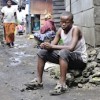
DR CONGO: Lasting Effects of War Destroy Children’s Future
Five years into democracy, with the elections just a few weeks away, the majority of Congolese children continue to face a bleak future.
SOMALIA: Rape – The Hidden Side of the Famine Crisis
When Aisha Diis* and her five children fled their home in Somalia seeking aid from the famine devastating the region, she could not have known the dangers of the journey, or even fathom that she would be raped along the way.ENVIRONMENT: Youth Share Best Practices at Tunza
Participants at the ‘Tunza International Children and Youth Conference’ underway in this Indonesian city shared best practices and ideas with fellow delegates on Wednesday, hoping they would get replicated.CLIMATE CHANGE: Youth Demand Action Now
Children and youth from 120 countries called on world leaders on Tuesday to pay heed to the looming climate crisis and act to prevent the natural disasters that are in store for the planet.
GHANA: The Abandoned Offspring of Oil
Kobina's legs are dappled with scars. He gets them flitting across the beach in Sekondi, in southwest Ghana, slipping in the soot-black mud and clambering over pirogues slippery with fish guts, only to sell a sachet of water or a freshly peeled orange to fishermen working on the shore.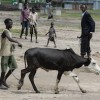
SOUTH SUDAN: Children Snatched Out of their Homes
In villages across South Sudan children are being snatched out of their homes in the dead of night, never to see their families again.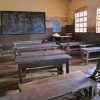
Adding Up the Cost of Education in Sierra Leone
A formal strike of teachers has been averted and pupils in Sierra Leone returned to school on Tuesday, almost a week after the term was meant to officially start.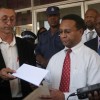
SWAZILAND: No Fees No School
The future education of Swazi children remains uncertain, as public schools across the country have not reopened for the new term because government has not been able to pay for their upkeep.
SIERRA LEONE: Child Rights Exist Only on Paper
The six-year-old girl pulls her T-shirt up to show the dozens of pale lines across her back. They are fresh scars from the lashing she received from her caregiver after she lost 500 Leones, the equivalent of about 10 cents.
MAURITIUS: Drug Use on the Increase among Kids
With drug trafficking rampant in the small Indian Ocean island nation of Mauritius, social workers and drug treatment centres are noting an increasing number of children and youth are now becoming addicted to drugs.
SOUTH SUDAN: Inter-Ethnic Clashes Become More Frequent and Deadly
Thousands of women and children are being abducted and over 1,000 people have died this year as communities in oil-rich South Sudan war over a precious commodity – cattle.
SOMALIA: Massive School Dropouts As Famine Continues
Jamaal Abdi, an eight-year-old boy at the Badbaado camp on the outskirts of Mogadishu, would like to have an education. He has his own dreams for the future.
LIBYA: Where Resistance to Gaddafi Runs High
Recent victories in Libya’s western mountains have led to a brief reprieve from violence and local fighters and civilians are slowly trying to piece their lives back together.Between Libya and the Deep Sea
NATO’s five-month bombing campaign in Libya, run under the guise of protecting civilians, is also killing victims fleeing the conflict, directly and indirectly.
SWAZILAND: Impossible for Children to Access Public Information
Many public officials in Swaziland do not think that access to information is a public right, but rather a privilege – which can be withdrawn at anytime.
SOMALIA: “I Carried Him a Whole Day While He Was Dead, Thinking He Was Alive”
As the first of food aid from the United Nations World Food Programme was airlifted into Mogadishu on Wednesday, it came too late for Qadija Ali's two- year-old son Farah.
EAST AFRICA: ‘It’s Not a Heartless Mother Leaving a Child Behind, Just One Who Wants to Survive’
On the road between the Kenyan and Somali border lie the dead bodies of children who have succumbed to the famine and the hardships of making the journey from their drought-stricken villages to Kenya.
HORN OF AFRICA: Poor Attention to Forecasts to Blame for Famine in Somalia
The world had an opportunity to save thousands of lives that are being lost in parts of Somalia due to the famine, if only the donor community had paid attention to the early warning systems that predicted it eight months ago.
SOMALIA: “Children on the Verge of Death Left Behind to Save Those Who Had a Chance”
Tens of thousands of starving Somalis have made their way to the government- held part of Mogadishu in search of food, but many parents have made the anguished decision to leave a child too weak to make the journey behind in hope of saving the others.
EAST AFRICA: Millions Stare Death in the Face Amidst Ravaging Drought
While Kenya struggles to cope with the influx of refuges fleeing the drought in Somalia, it is estimated that about 1,300 people arrive daily at the Dadaab refugee camp, the country is facing its own crisis of malnutrition and starvation.« Previous Page — Next Page »


Children’s issues on the African continent remain on the margins of the news agenda. By raising the profile of children, the Children on the Frontline project seeks to help shape policies and inform Africa’s leadership on specific issues facing children across the region.

The Week with IPS

NEXT STOP - SDGs
Tracking global progress towards a sustainable world
Tracking global progress towards a sustainable world