Languages
Thursday, September 17, 2026



News and Views from the Global South
Children on the Frontline
SWAZILAND: Girls Leave School Because of No Sanitary Wear
After a newspaper that Prudence* (16) used as sanitary wear fell from her while she played with friends at school, she left and never returned.PAKISTAN: Women Shield Children From Extremism
When Farah’s 16-year-old son began to disappear for several nights a week without saying where he went, she was naturally worried. After he returned one day and shattered the television screen in their Peshawar home, the mother of three decided it was time to quit her job as a teacher and to find out what was making her youngest child so angry.CHINA: Children Cry Out for Protection
A growing number of reports in China’s state media have thrust the issue of child abuse into the national spotlight. Many young parents and teachers today have shifting attitudes about corporal punishment, but incidents of abuse are being reported across the country. Affected children are virtually unprotected under the law.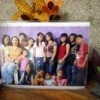
PHILIPPINES: ‘Wanted, Full-Time Mothers’
It’s definitely not your typical job advertisement. "Wanted: Mothers; must be mature, strong and stable, self-confident, humorous and know how to cook; must have a positive and cheerful attitude towards life; must be willing to work as a full-time mother for the long term."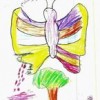
MIDEAST: Gaza’s Children Dare to Dream
Despite the lingering trauma of living under siege, regular Israeli military attacks and the consequences of a bloody war several years ago, Gaza’s children still dream of happiness and of normal lives.ZAMBIA: Drugs Kit Helps Mothers Protect Babies
A thousand babies are infected with HIV every day - in pregnancy, during birth and through breastfeeding. Close to 400,000 African children are infected with HIV every year.Zambia Must Fulfill Promises to Children Living With AIDS
Less than one in four Zambian children who should be on life-saving anti-retroviral drugs is receiving them. The country planned to increase the number of children on ARVs from the present 20,000 to 120,000, but inadequate facilities pose a major stumbling block.Malawi Struggling to Address Paediatric HIV
There are 91,000 children living with HIV in Malawi. A shortage of resources means that many do not receive proper treatment and care.
RWANDA: Stronger Support for Children Affected by HIV
At Kigali's Kibagabaga Hospital, 30 young people aged between 12 and 18 years old wait in a crowded holding room, waiting for their turn to see the doctor in charge of prescribing antiretroviral drugs (ARVs). They are among 220,000 children affected by AIDS who are benefiting from social and medical assistance from the Rwandan government and its development partners.ZIMBABWE: Failing to Address Schoolgirl Pregnancies
Concern over reports of growing numbers of pupils dropping out of school due to pregnancy has rekindled debate over the link between intergenerational sex and HIV infection among Zimbabwe's youth.NAMIBIA: Increase Needed in Social Grants for Foster Children
Seventeen-year-old Jason* wants to be a pilot and his 14-year-old foster sister, Gracie*, wants to be a lawyer. In the impoverished district of Rehoboth, south of Windhoek, dreams such as these do not always come true.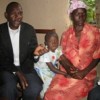
KENYA: More Men Preventing HIV Transmission to their Unborn Children
Pastor Joseph Muhembeli and his wife, Beatrice, queue at the Vihiga health centre with their six-month-old daughter for their prevention of mother-to-child treatment (PMTCT). But before long, as per the clinic’s policy, the couple are whisked to the front of the line – all because Muhembeli has accompanied his wife for the treatment.AFRICA: Hunger Intensifying But Cash Transfers Improving Lives
Chronic hunger is intensifying in Africa, despite the world’s commitment to address this Millennium Development Goal and reduce world hunger by half by 2015.DEVELOPMENT: Welfare of Poverty-Stricken Families Depends on New Policy
For HIV-positive Tereza Chatsilizika, the monthly cash grant of 10 dollars she receives means that she can educate her disabled daughters and put food on the table.ZIMBABWE: Neonatal Circumcision Yet to Gain Ground
Judith Sikhosana recently gave birth to a healthy baby boy. And while she has strictly followed the advice of health workers about the post-natal care for her child, there is one thing she is yet to understand: why nurses want her baby to be circumcised.Progress in Prevention of Mother-to-Child Transmission of HIV
The number of pregnant women being tested for HIV and accessing treatment in Sub-Saharan Africa has shown significant progress – indicating that virtual elimination of mother-to-child transmission of the virus by 2015 is possible.SOUTHERN AFRICA: Social Protection, a Human Right?
Without contributions from well wishers and government grants of between 68 and 104 dollars per month per child, the House of Mother and Child in Ennerdale, south of Johannesburg, would barely be able to provide for the 18 vulnerable children who call the place home.
SOUTHERN AFRICA: Small Amounts of Cash Make a Big Difference
After being diagnosed HIV-positive Margaret Bikyele could not even manage the simplest of household chores, let alone being able to work to generate an income for her and her two sons.
AFRICA: Governments Failing to Take the Threat of HIV Seriously
Experts worry that African governments are failing to take the threat of HIV seriously enough by not dedicating enough of their resources to prevention of mother-to-child transmission (PMTCT) efforts.
AFRICA: Stronger Will Needed from Governments to Save Poorest Children
"Herding goats is tough with the thirst, sun, loneliness and hunger each day. And it can last forever. You herd as a girl, then as a wife, as a pregnant woman, as a mother and even as a grandmother," says Rukia Ibrahim whose 13-year-old younger sister was married off to a herdsman.KENYA: Monitoring Antiretroviral Intake Among Children
When 11-year-old Ronald Gathece was placed on antiretrovirals (ARVs) after being diagnosed HIV-positive, medical staff did not monitor his reaction to the treatment. But the side effects had been so bad that the young boy had contemplated suicide.« Previous Page — Next Page »


Children’s issues on the African continent remain on the margins of the news agenda. By raising the profile of children, the Children on the Frontline project seeks to help shape policies and inform Africa’s leadership on specific issues facing children across the region.

The Week with IPS

NEXT STOP - SDGs
Tracking global progress towards a sustainable world
Tracking global progress towards a sustainable world