Languages
Thursday, October 15, 2026



News and Views from the Global South
Asia-Pacific
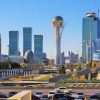
Kazakhstan Takes Lead in Global Push for Nuclear Disarmament Amid Heightened Tensions
In a world increasingly shadowed by the threat of nuclear conflict, Kazakhstan is stepping up its efforts in the global disarmament movement. On August 27-28, 2024, in collaboration with the United Nations Office for Disarmament Affairs (UNODA), Kazakhstan will host a critical workshop in Astana. This gathering, the first of its kind in five years, is set to reinvigorate the five existing Nuclear-Weapon-Free Zones (NWFZs) and enhance cooperation and consultation among them.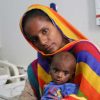
How Extreme Heat Intensifies Health Problems and Hunger
In May, temperatures soared above 52° Celsius (125.6° Fahrenheit) in Pakistan’s southern province of Sindh. To cope, Samina Kanwal, a community health worker with Action Against Hunger, began work at 7:00 am — the earliest time possible given neighborhood security protocols — to travel door-to-door helping vulnerable with the health consequences of extreme heat including heatstroke, difficulties with brain function, and even hunger.
Dealing with Bangladesh’s Odious Debt
Bangladesh has become increasingly indebted since 2009. The country’s external debt stock increased from US$23.3 billion in 2008 to US$100.6 billion in December 2023 (see figure below). Thanks to the country’s mega-projects led so-called development with borrowed money under the now deposed authoritarian regime of Sheikh Hasina.
Empowering Women for a Green Future: AFPPD Conference Tackles Climate Change and Gender Equality
Robust data collection, integrated policies, and an accelerated push towards a green economy with a gender focus topped the agenda at a conference in Islamabad, Pakistan, that brought together policymakers, experts, and advocates from across the Asia-Pacific region.
Rizwana Hasan Vows to Ensure Justice for Those Killed During Bangladesh’s Quota Reform Movement
Justice for all those who died and suffered injuries during the recent student-led quota reform movement in Bangladesh and reforms to the systems to ensure that this justice takes place are not negotiable, an adviser to the Bangladesh interim government, Syeda Rizwana Hasan, told IPS in an exclusive interview
The Plight of Women Three Years after Taliban Takeover in Afghanistan
I’ve just come back from the north of Afghanistan. I asked the women I met what they want the world to know about their lives. One woman, Nasima told me: “I was married at 16. I couldn’t finish school. My hope was that my daughter’s life would be better. Now I’m worried her life is going to be worse. To those who are still listening to our voices, please help us fight for our freedom.”
Small Farmers Feeling Climate Change Heat Find Little Support From the State
The over 20 million residents of Pakistan’s port city of Karachi, in Sindh province in particular, have been experiencing brutal heat since May. But they are not the only ones bearing the brunt of high temperatures and humidity. Up to 15,000 cattle died due to scorching heat mixed with high humidity which Shakir Umar Gujjar, president of the Cattle and Dairy Farmers Association, Pakistan, said was “no joke”.
Pacific Community Photographic Winners Bring Impacts of Climate Change to Life
The Pacific Community’s photographic competition winners reflect the devastating climate impacts on beautiful and sensitive environments, documenting the most pressing issues the communities who live on the islands face today.
Should There be a Dedicated Credit Rating Agency for Asia & the Pacific?
Following persistent and determined efforts, Africa has achieved a breakthrough in advancing the establishment of an African credit rating agency (ACRA), with the proposed launch scheduled for December 2024.
Water Stories: The Well Seven Families and 400 Buffaloes Rely On
In the rural village of Khardariya in the Dang district of Nepal, access to clean water is a major issue. Villagers depend on one poorly managed well for drinking water, cleaning, and feeding livestock. Anjana Yadav stood near the well while a neighbor walked toward it to fetch a bucket of water.
UN Calls for ‘Peaceful, Orderly and Democratic Transition’ Following Protests in Bangladesh
After weeks of violent clashes against protestors, Bangladesh Prime Minister Sheikh Hasina resigned from her position and fled the country on Monday. Preparations are underway for an interim government to take over with the backing of the military, political parties, student leaders of the protest movement and all other groups involved in the transition. A UN spokesperson has urged that all parties involved in the current transition should work together to ensure a peaceful and democratic transition.
The Demise of Democracy and Human Rights Violations in Bangladesh: International Financial Institutions’ Culpability
The International Monetary Fund (IMF), World Bank and Asian Development Bank (ADB) are complicit in the gross human rights violations and death of democracy in Bangladesh. They continued to supply financial blood line to the regime, well-documented for its corruptions, human rights violations – such as forced disappearances and tortures in custody – and riggings of votes, including politicization of state institutions in its slide into autocracy. This is despite their professed commitment to transparency, accountability and good governance (IMF, World Bank, ADB).
How Women Volunteers Are Shaping India’s Water Future
“Daily squabbles at the lone water point in Bhubaneswar’s slums, where hundreds of households depended on this single non-potable water source, have now receded into the past,” says Aparna Khuntia, a member of a large cohort of water volunteers who have played an important enabling role in ensuring households in the eastern India city now have their own on-premises potable running tap water available all 24 hours.
Partnering for Progress: Maldives’ Sustainable Ocean Initiatives
The ocean is our lifeline, covering 70 percent of the earth’s surface, it is the source of half of the oxygen we breathe, and it absorbs 26 percent of the carbon dioxide we produce. It is home to millions of marine species, contains 97 percent of all of the water on our planet and offers humankind immense resources.
79 Years After Hiroshima & Nagasaki: A Grim Reminder of Nuclear Annihilation
The upcoming 79th anniversary of the atomic bombings of Hiroshima and Nagasaki, which took place on August 6 and 9, 1945, remains a grim reminder of the destructive consequences of nuclear weapons. The US bombings killed an estimated 90,000 to 210,000, with roughly half of the deaths occurring on the first day in Hiroshima.
Cambodia’s Young Environmental Activists Pay a Heavy Price
It’s risky to try to protect the environment in authoritarian Cambodia. Ten young activists from the Mother Nature environmental group have recently been given long jail sentences. Two were sentenced to eight years on charges of plotting and insulting the king. Another seven were sentenced to six years for plotting, while one, a Spanish national banned from entering Cambodia, was sentenced in absentia.
Economic Prospects in Asia & the Pacific – Celebrate Resilience, Prepare for Headwinds
Economic performance in Asia and the Pacific has proved to be quite resilient to the shocks of the past few years – the COVID-19 pandemic, the ongoing wars in Ukraine and Gaza, and the cost-of-living crisis. In 2023, the region’s economy drove over 60 per cent of the global economic growth.
Left with Few Options: Afghan Women Turn to Risky Online Jobs Amid Taliban Ban
The Taliban's total ban on women’s employment in Afghanistan leaves few options for earning a living. Nevertheless, Afghan women are carving out niches in online business with sheer determination and perseverance.
Parliamentarians: Active Aging Enhanced By Using Artificial Intelligence
With projections that by 2060, over 1.2 billion people in Asia will be 65 or older, and by adopting technology, including artificial intelligence technologies, it is possible to plan for active and fulfilled aging, lawmakers attending a regional meeting on Aging Preparedness and Care Economy in Asia heard.
Will the New Triumvirate—Russia, China & North Korea—Force the South To Go Nuclear?
When Russian President Vladimir Putin and North Korean leader Kim Jong Un signed a pact last month to revive a Cold War-era mutual defense pledge between two of the world’s nuclear powers, it also had the implicit support a third nuclear power standing in the shadows: China.
Kanak Political Grievances Are Fed by Deep Inequality in New Caledonia
New Caledonia, a French overseas territory of about 290,000 people in the southwest Pacific, is facing a challenging recovery from weeks of civil unrest that erupted in mid-May, leaving an aftermath of destruction and political turmoil.« Previous Page — Next Page »





The Week with IPS

NEXT STOP - SDGs
Tracking global progress towards a sustainable world
Tracking global progress towards a sustainable world
