Languages
Wednesday, November 11, 2026



News and Views from the Global South
Global
UN’s Guterres Must be Visibly Proactive as Peacemaker in Ukraine
In an opinion piece published in PassBlue on 15 March 2022, historian Stephen Schlesinger asked, "Where is the UN's Guterres?" as Vladimir Putin’s unprovoked war on Ukraine has been dominating the world’s headline news.
Stagflation Threat: Be Pragmatic, Not Dogmatic
“If your only tool is a hammer, every problem looks like a nail”. Still haunted by the clever preaching of monetarist guru Milton Friedman’s ghost, all too many monetary authorities address every inflationary threat or sign they see by raising interest rates.
Planet Earth into Planet Plastics
Planet Earth is increasingly being transformed into planet Plastics. Approximately 400,000,000 metric tons of plastics are produced worldwide annually. Those plastics amount to about 50 kilograms, or 110 pounds, every year for each of the 8 billion human inhabitants living on the unfolding planet Plastics.
Addressing Global Food Security with Optimism and Resilience
In an exclusive interview with IPS, Ambassador Cindy Hensley McCain, Permanent Representative of the US Mission to the food and agriculture organizations of the United Nations in Rome, Italy, shares her thoughts on food security, sustainable food systems, the impact of climate change on food production, conflicts and the ongoing crisis in Ukraine, and her plans while working with the Food Agricultural Organization of the United Nations (FAO), International Fund for Agricultural Development (IFAD) and World Food Programme (WFP) with Farhana Haque Rahman and Sania Farooqui.
Women Must be at the Centre of Africa’s Transformative Free Trade Area
Ambassador Mathu Joyini began her role as the Permanent Representative of South Africa to the United Nations in January 2021, becoming the first South African woman to hold the position. Representing the African States Group, she is the Chair of the Bureau for the 2022 Commission on the Status of Women (CSW). She has championed causes related to Africa's peace and security, human rights, women’s empowerment, among others.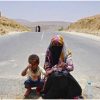
Brutal War on Yemen: Dire Hunger Crisis Teetering on the Edge of Catastrophe
Yemen’s already dire hunger crisis is teetering on the edge of outright catastrophe, with 17.4 million people now in need of food assistance and a growing portion of the population coping with emergency levels of hunger, three UN agencies warned on 14 March 2022.
How Collective Action Can Move the Needle on Gender Equality
During this year’s sixty-sixth session of the Commission on the Status of Women (CSW66), we are eager to see the global community pivot towards more inclusive approaches to advocacy. It's imperative to put the spotlight on women’s rights and youth-led organizations in communities that are often left out of key discussions. By handing the mic over to advocates across all backgrounds and ages, we can shift to a model that enables all advocates to take a lead role in policy-making and ultimately translate promises and rhetoric into real impact and accountability.
Don’t Risk our Multi-Billion Dollar Pension Fund in Wall Street, Warn UN Staffers
The United Nations Joint Staff Pension Fund (UNJSPF), which is expected to provide retirement, death, disability and related benefits for staff, upon cessation of their services-- has a staggering portfolio amounting to over $81.5 billion ranking far, far ahead of the UN’s annual budget of $3.1 billion and its average peacekeeping budget of over $6.4 billion.
The Rise in Food Insecurity Amid the COVID-19 Pandemic and Conflicts
The effects of COVID-19 over the past two years, in addition to the increase in wars and conflicts, climate change and economic crises, have aggravated global food insecurity, generating serious concerns for 2022.
Youths Trailblazing Paths in Sexual and Reproductive Health Ahead of ICFP Family Planning Conference
Travelling in northern Nigeria, Peace Umanah noticed teenage girls with multiple children – they would be walking with one strapped to their back, holding another by hand and with a protruding belly.
Commission on the Status of Women: The Streets Have Already Spoken
The 66th session of the Commission on the Status of Women (CSW) was just launched. Due to the ongoing impacts of the COVID-19 pandemic, the main annual global forum on gender equality is once again taking place in a hybrid format – both at the UN’s New York headquarters, where government delegations will be meeting, and online, where most civil society activity will take place.
Over 60% of World Workers Not Recognised, Not Registered, Not Protected
More than 60 percent of the world’s adult labour force –or about 2 billion workers– work in the informal economy. “They are not recognised, registered, regulated or protected under labour legislation and social protection. The consequences can be severe, for individuals, families as well as economies.”
Lessons from Liberia for Scaling Poverty Reduction Globally
For the past three years, BRAC International has been piloting in Liberia an adaptation of its acclaimed Graduation approach, whose impact on reducing extreme poverty was first proven in Bangladesh. The success of the Liberia pilot, which I managed, provides not only further proof of impact but vital lessons that can enhance and accelerate scaling of the approach globally.
War on Ukraine also an Assault on World’s Most Vulnerable People & Countries
Ukraine is on fire. The country is being decimated before the eyes of the world. The impact on civilians is reaching terrifying proportions. Countless innocent people – including women and children – have been killed. After being hit by Russian forces, roads, airports and schools lie in ruins.
Ukraine Incursion, World Stagflation
Finger pointing in the blame game over Russia’s Ukraine incursion obscures the damage it is doing on many fronts. Meanwhile, billions struggle to cope with worsening living standards, exacerbated by the pandemic and more. Losing sight in the fog of war US Secretary of State Anthony Blinken insists, “the Russian people will suffer the consequences of their leaders’ choices”. Western leaders and media seem to believe their unprecedented “crushing sanctions” will have a “chilling effect” on Russia.
How COVID Has Affected the Control of Neglected Tropical Diseases
Neglected tropical diseases is an umbrella term used to describe a group of 20 infectious diseases. These diseases affect over 1.7 billion people. They can disable, debilitate and even kill. The world’s most vulnerable and poorest are most affected.
This is How Hope Trumped the Fog of War in Nairobi
As Russia’s attack began rattling Kyiv with multiple missile and air raids about 5am on 24 February, it suffused the dawn with stains of darkness. It was accompanied with military menaces in countries like Finland and Sweden and raising a warning to anyone who may assist the Ukrainian people – ordinary citizens bereaved, over 2.5 million displaced and boldly defending themselves – from nuclear war.
The Future of Food: Jellyfish, Farmed Insects, 3D Printed Meat?
Between the devastating effects of climate change and the fast advancing new technologies, it seems now evident that the future of food will change. Whether it's new foods like jellyfish, edible insects and cell-based meat, or new technologies like blockchain, artificial intelligence and nanotechnology, the future promises exciting opportunities for feeding the world, says a new report.
UN Re-Surfaces After Long Pandemic Lay-off
After several on-again and off-again pandemic lockdowns, the United Nations is planning to return to normal beginning this week. A circular from Secretary-General Antonio Guterres on March 11 says “based on the new guidelines, we are now able to institute associated changes in our workplace, returning to full operational capability while still prioritizing the health and safety of personnel, and balancing the operational needs of the Organization”.
Exploring the Future of Climate Justice Through My Daughter’s Eyes
People often feel that climate change is difficult to grasp and relate to. I have heard that it’s “too technical, too intangible, or too complicated” for us to care about. As a Latin American mother of two, I confess that for me, relating to climate change is becoming ever more simple. All I do is try to imagine the world my kids will live in in 2050 if we don’t do anything now, and I immediately understand the urgent need for bold, transformative global climate action.
US Remains Ukraine’s Largest Military Aid Benefactor
Conventional arms have been a central, and at times controversial, component of the U.S.-Ukraine relationship since 2014. Indeed, former President Trump’s impeachment proceedings originated with an alleged quid-pro-quo related suspension of military aid to Ukraine.« Previous Page — Next Page »





The Week with IPS

NEXT STOP - SDGs
Tracking global progress towards a sustainable world
Tracking global progress towards a sustainable world
