Languages
Thursday, October 8, 2026



News and Views from the Global South
Other Voices
News and Views from our Content Partners
The Fierce Urgency of Now
We are living in a crisis unprecedented since World War II: COVID-19. The pandemic brutally sweeps across the globe, where we already face a massive global learning crisis and multiple brutal humanitarian crises. How much more can those left furthest behind in forced displacement and armed conflicts take?
Helping the homeless of Rome combat COVID-19
Behind the Tiburtina Station, in the East of Rome, with just a small covered area protecting from the inclemency of the weather, sleeping close to each other is the only way to stay warm. A boy of Ivorian origin is alone, far from everyone, in the centre of the sidewalk, exposed to a freezing wind.
The old normal is ending
The Covid-19 pandemic is still having severe impacts on many countries and it is not at all clear how long it will take to play out globally. However, the scale and rapidity of the crisis has already revealed a number of aspects of the global economy and governance that we used to think were unchangeable realities. After the crisis is finally over, we will be faced with a fork in the road. One path will be to try to go back to business as usual as it was before the pandemic. The other path is an opportunity to forsake the "business as usual" model as no longer fit for purpose and move towards a completely different, and indeed much better, future. However, the decision on which path we want to choose will be made now and every decision we make is important in choosing which future pathway we will be on.
The Fierce Urgency of Now – ECW Allocates $15M in Emergency Funds
The Education Cannot Wait Global Fund (ECW) allocates a total of US$15 million in an initial series of emergency grants for the rapid delivery of holistic education services to protect and support vulnerable children and youth hit by the COVID-19 pandemic in 16 countries/emergency contexts. These girls and boys are already impacted by armed conflicts, forced displacement, natural disasters and protracted crises. An additional series of grants to support the response in other crisis-affected countries will be released shortly and reach partners in-country in the coming days.
These Migrant Workers Did Not Suddenly Fall From the Sky
Madness engulfs the planet. Hundreds of millions of people are in lockdown in their homes, millions of people who work in essential jobs – or who cannot afford to stay home without state assistance – continue to go to work, thousands of people lie in intensive-care beds taken care of by tens of thousands of medical professionals and caregivers who face shortages of equipment and time. Narrow sections of the human population – the billionaires – believe that they can isolate themselves in their enclaves, but the virus knows no borders. The global pandemic driven by the variants of the SARS-CoV-2 virus holds us in its grip; even as China seems to have bent the curve of infections, the charts for the rest of the world are forbidding: the light at the end of the tunnel is as dim as it has ever been.
COVID-19 requires gender-equal responses to save economies
Globally, women are more vulnerable to economic shocks wrought by crises such as the coronavirus pandemic. Why are women so at risk? Firstly, women are more likely to lose their jobs than men. In many countries, women's participation in the labour market is often in the form of temporary employment.
Domestic violence during the time of corona
The Covid-19 pandemic has opened our eyes to many vulnerabilities. With home quarantine proving to be a successful strategy, we are finally catching up and practicing it. Bangladeshi narratives about home quarantine now discuss how home is the safest place to ensure sanitisation, hygiene and disinfection.
Chinese Academic Defends Country’s Role amid Covid-19 Crisis
Global crises need global solutions yet some adjustments will have to be made if the world has to adopt a multilateral approach toward tackling the Corona pandemic, a senior academic said on Tuesday, March 31.
Education Cannot Wait Interviews Henrietta H. Fore, Unicef Executive Director
Henrietta H. Fore became UNICEF’s seventh Executive Director on 1 January 2018. She has worked to champion economic development, education, health, humanitarian assistance and disaster relief in a public service, private sector and non-profit leadership career that spans more than four decades.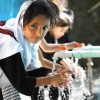
COVID-19 and Education in Emergencies
Armed conflicts, forced displacement, climate change induced disasters and protracted crises have disrupted the education of 75 million children and youth globally. And that number is growing in an unprecedented way with the spread of COVID-19. Education has been hit particularly hard by the COVID-19 pandemic with 1.53 billion learners out of school and 184 country-wide school closures, impacting 87.6% of the world’s total enrolled learners. Drop-out rates across the globe are likely to rise as a result of this massive disruption to education access.
Covid-19 and the Rohingya refugee crisis
All around the world, the numbers are climbing. Each day registers thousands of new cases and lives lost. In Europe, now the epicenter of the pandemic, governments know that the worst is yet to come and are implementing increasingly restrictive measures to enforce social distancing and isolation. In Cox's Bazar, we have been watching the world and holding our breath for the first confirmed case of Covid-19. With reports of the first confirmed case in the local community in Cox's Bazar, it's just a matter of time until the virus reaches the vulnerable population living in cramped conditions in the largest refugee settlement on earth. Thousands of people could die.
TRENDS E-Symposium to Address Post-Corona Globalization Challenges
TRENDS Research & Advisory is organizing its first-ever E-Symposium to discuss the global impacts of the COVID-19 crisis and offer insights on the steps needed to mitigate its negative effects worldwide. This will be the first online symposium of its kind to be organized since the outbreak of the coronavirus in the Gulf and Middle East region.
A Positive Policy Turn for People Most Vulnerable To Drought Worldwide
The international community is developing policy measures and actions to help the people most vulnerable to drought to take early action to avoid loss of life, and the heavy and growing losses of livelihoods and damage to property and ecosystems following droughts.COVID-19 Global Humanitarian Response Plan
A global approach is the only way to fight COVID-19, the UN says as it launches humanitarian response plan
Arts, Culture – Trying to Keep the Lights on amid Covid-19
With the spread of the Covid-19 disease, the arts and culture sectors have seen a flood of cancellations and postponements, affecting artists around the world and putting the global 2,000-billion-dollar creative industry at risk.« Previous Page — Next Page »





The Week with IPS

NEXT STOP - SDGs
Tracking global progress towards a sustainable world
Tracking global progress towards a sustainable world
