Languages
Friday, November 20, 2026



News and Views from the Global South
Africa

NIGERIA: New Law to Promote Locals in Oil Industry
"This bill seeks to address the compelling need for us as a nation to have indigenous participation in the industry." With these words, Nigeria’s acting President, Goodluck Jonathan, signed the Nigerian Oil and Gas Industry Content Development Bill into law.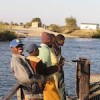
SOUTHERN AFRICA: Sharing the Okavango
Each January, a giant pulse of water from heavy summer rains over the south of Angola enters the Okavango River system and begins a five-month journey through Namibia to a richly biodiverse swamp in Botswana's Kalahari desert. The river is a rarity, scarcely disturbed by human development along its 1,100 kilometre length: shaping its future is the delicate task of the Okavango River Basin Commission.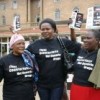
RIGHTS-KENYA: Court Victory Against “Anti-Counterfeit” Agenda
The Constitutional Court in Kenya has barred the government from implementing the Anti-Counterfeit Act of 2008 as it applies to generic medicines until a verdict is delivered in a case filed by three people living with HIV.
MALI: Rush For Land Along the Niger
Domestic and international investors are taking over increasing amounts of arable land in Mali.MOZAMBIQUE: Co-existing With Floods
April signals the tail end of the flood season in Mozambique. The country's water managers will soon be able to appraise the effects of changing policies.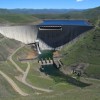
WATER-LESOTHO: Getting Community Consultation Right
The Lesotho Highlands Water Project will move into its second phase in 2010. The first phase has been praised as a shining example of transboundary water sharing in Africa, but community dissatisfaction may mean a rough ride for its extension.
SOUTHERN AFRICA: Benefits of Working Together on Water
The river basin organisation people are gathered in Botswana again: the theme this year is "benefit-sharing", an approach to allocating water that, it is promised, will accomplish nothing less than to make more water.MOZAMBIQUE: Weather Service Key to Flood Disaster Management
Mozambique's government learned some tough lessons from the devastating floods that hit the country a decade ago. Experts say the disaster management plans drawn up since are a model for other African countries.UGANDA: Fresh Concerns About Women in Captivity
The fate of thousands of women and girls held as sex slaves and child soldiers by Uganda’s Lords Resistance Army rebels hangs in the balance.
SUDAN: Election Results Expected Soon
Poor access to telephone networks and lack of roads in some areas of South Sudan is delaying the submission of voting results to the election commission.
WATER-ZAMBIA: Lozi Make Annual Migration to Higher Ground
Josias Akataama spent March watching the moon wane above, and flood waters rise from below. Only with the sighting of the new moon, would the men, women and children of Kandiani know when they could leave the water-logged village for higher ground.SIERRA LEONE: Anti-Corruption Campaign Nabs Top Officials
The crusade against corruption seems to be gathering momentum in this West African country, with the arrest and prosecution of senior government officials, including cabinet ministers.
AGRICULTURE: Affordable Solution to Costly Pests
The International Centre for Plant Physiology and Ecology (ICIPE), based at Mbita, on the Kenyan shores of the world’s second-largest freshwater body, is advocating "push-pull cultivation" as the answer to feeding future generations in Africa.
NAMIBIA: Banking Water for the Future
In the driest capital city south of the Sahara, water engineers are "banking" ground water to meet future demand, but the enormous costs might sink the project before water can be harvested.
DR CONGO: Uneasy Calm After Fighting in Northwest
Fighting between "Enyélé" insurgents and regular armed forces in the northwestern Democratic Republic of Congo at the beginning of April left 18 people dead, including nine rebels, and triggered mass displacements from the region's principal city, Mbandaka.Q&A: Independence of Sudan’s Electoral Commission Questioned
Sudan's National Electoral Commission says problems are limited to a few constituencies. But election monitors have observed irregularities across the country.
SUDAN: Problems Lead to Extended Vote
Polling will be postponed in some constituencies in Sudan where technical irregularities marred the voting process, the country’s electoral commission says.ZIMBABWE: EU and U.S. Exhibitors Stay Far Away from Trade Fair
Companies from the European Union and the U.S. will not feature at this year’s Zimbabwe International Trade Fair despite the formation of a government of national unity last year.AFRICA: Monitoring a Changing Climate
The gathering environmental crisis presented by global warming makes effective weather information and prediction a matter of urgency. As Africa's farmers come to grips with adapting to climate change, it may be that the best way to equip them is to involve them directly in collecting the data.SOUTH AFRICA: Racist’s Death Highlights Rural Tension
Eugene Terre'Blanche, killed on his farm on Easter weekend, is catalysing racial tension in South Africa in death much as he did in his life.
SENEGAL: Small-Scale Irrigation: Key to Rural Development
Over the past four years, the Local Small-scale Irritation Project has spent more than $10.5 million U.S. dollars supporting rural communities in Senegal.« Previous Page — Next Page »


The Week with IPS

NEXT STOP - SDGs
Tracking global progress towards a sustainable world
Tracking global progress towards a sustainable world
