Languages
Monday, November 16, 2026



News and Views from the Global South
Asia-Pacific
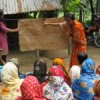
BANGLADESH: W.A.S.H. Keeps Communities Clean
One sunny afternoon, 19-year-old Sufia Aktar presides over a courtyard gathering of housewives discussing the use of safe water, a hygienic environment, and personal cleanliness. It is the last of such gatherings for Sufia, who will soon leave, knowing it was "mission accomplished."CAMBODIA: Govt Plans to Tighten Noose Around Civil Society
A proposed law governing NGOs in Cambodia will impose severe restrictions on civil society groups and tighten control over public discourse, critics in this South-east Asian country say.Polio Threatens Burma
A small army of volunteers from local non-governmental organisations has fanned out across Burma to inoculate 3.4 million children from a rare strain of the polio virus that has re-emerged three years after the country was declared polio free.
JAPAN: Civil Society Gaining Ground Following Quake
Civil society organisations in Japan have traditionally been on the sidelines in influencing mainstream policy, but the massive Tohoku earthquake and tsunami of Mar. 11 is becoming a catalyst for important change.China Registers Rapid Growth – In Anxiety
Long considered a sign of weakness or a bourgeois indulgence, psychiatry is slowly entering the mainstream here, with a growing number of Chinese willing to talk through their problems with a therapist.India Resists Ban on Deadly Pesticide
Will India, the world’s biggest manufacturer of the pesticide endosulfan, and also the biggest victim of the toxic pesticide, persist with opposing its ban globally?No Homecoming for Bhutanese Refugees
A knock on the door of his home in Bhutan one midnight turned middle-level government official Balaram Paudyal into a fugitive overnight, after he managed to elude policemen arresting him for "anti-government activities", and then fled the country.
Uncertain Flows the Mekong
Countries around the lower Mekong have failed to reach a consensus on a controversial proposal that could see Laos build the first hydropower dam on this part of the vital river.
CAMBODIA: Cluster Bombs Cloud Prospects for Peace
Allegations that Thailand used controversial cluster munitions during recent border clashes with Cambodia have become the latest wedge driving tensions between the two neighbours.AUSTRALIA: More Suicides, No Lessons
Supporters of asylum seekers here say that the government’s response to recent suicides in Australian immigration detention centres ignores what is already well-known: that indefinite, long-term detention in crowded facilities results in deaths.MALAYSIA: Radiation Fears Fuel Protest
Fears of radioactive poisoning have fuelled a protest against an Australian mining company building the world’s largest rare earth processing plant outside China.PAKISTAN: Higher Education Hits a New Low
University students and teachers have taken to the streets in a bid to prevent provincial governments from taking over the reins of higher education in Pakistan.INDIA: Some Brain Drains Back
They were the face of India’s "brain drain" - the best and the brightest government-educated scholars who eventually left for foreign shores. Now, they have opted to give back as a gesture of thanks for the top-notch education they received.
PHILIPPINES: Religious Groups Weigh In on Reproductive Health Debate
In a country where an estimated 4,500 women die every year due to complications during childbirth, the enactment of a reproductive health (RH) policy is said to be a measure that could save lives.
PHILIPPINES: Pulling Children Out of the Tunnel of Hard Labour
At the tender age of 10, Rodel Morozco was working in a goldmine and crawling inside tunnels, until one day he fell 200 feet underground because his father had blasted the tunnel with dynamite.CHINA: Social Stability Puts Squeeze on the Rule of Law
There is no "Jasmine Revolution" in China, but the Chinese government might be creating the seeds for one through its elevation of social stability above the rule of law, some experts say.BURMA: Military Plays a Civilian-Looking Game
A new quasi-civilian government has taken over in Burma, but diplomats, analysts and pro-democracy activists are dismissing it as nothing more than "old wine in a new bottle".CORRUPTION-INDIA: Gandhian Movement Pushes Ombudsman Law
Seeing the bespectacled old man fasting in protest against corruption in the bustling heart of the Indian capital, many are reminded of Mahatma Gandhi, the man who used ‘moral power’ to lead India to independence from British colonial rule in 1947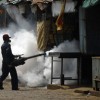
SRI LANKA: Finally Dengue Takes a Beating
Dengue infections and deaths here have declined significantly this year.AFGHANISTAN:: New Therapy Battles Soaring Drug Addiction
A pioneering drug substitution programme in conflict-wracked Afghanistan has been hailed as a resounding success as local doctors and international health organisations battle soaring heroin addiction rates and an HIV/AIDS epidemic.
‘Democratic’ Poll Cloaks Kazakh Autocracy
Kazakhstan's nine million registered voters went to the polls Apr. 3. Incumbent Nursultan Nazarbayev is not expected to lose.« Previous Page — Next Page »


The Week with IPS

NEXT STOP - SDGs
Tracking global progress towards a sustainable world
Tracking global progress towards a sustainable world
